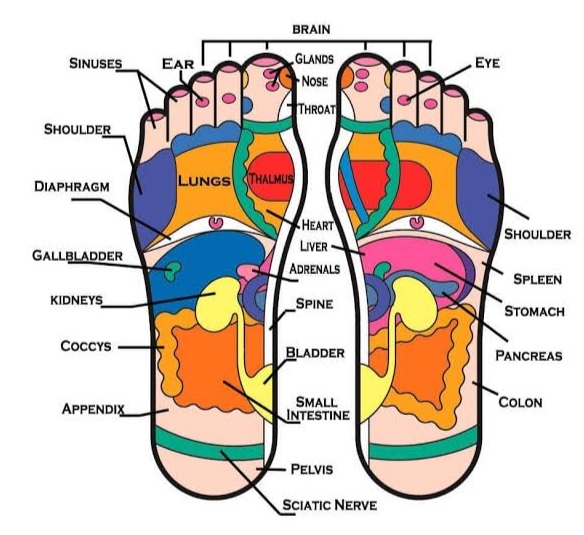
After spending long hours standing, walking, or working at a desk, your feet often carry the weight of your entire body. This can lead to tired feet, muscle tension, and overall fatigue. One effective way to relax and restore your body is through Foot Reflexology.
Foot reflexology is more than just a relaxing foot massage. It is a wellness therapy that applies pressure to specific points on the feet, which are believed to correspond to different parts of the body. This natural therapy aims to promote relaxation, improve circulation, and support overall well-being.
In this guide, you’ll learn what foot reflexology is, how it works, its benefits, and why it has become a popular choice for people seeking a healthier and more balanced lifestyle.
What Is Foot Reflexology?
Foot Reflexology is a therapeutic practice that involves applying gentle pressure to specific reflex points on the feet. According to reflexology principles, these points are connected to different organs, muscles, and body systems.
Unlike a traditional foot reflexology massage focuses on stimulating these pressure points to encourage relaxation and support the body’s natural healing process.
Many people choose reflexology as part of their regular wellness routine because it provides both physical and mental relaxation.
How Does Foot Reflexology Work?
During a foot reflexology session, a trained therapist uses their fingers, thumbs, and hands to apply controlled pressure to targeted areas of the feet.
The treatment usually follows these steps:
Step 1: Initial Consultation
The therapist asks about your lifestyle, daily activities, and any areas of discomfort.
Step 2: Foot Assessment
Your feet are examined to identify areas that may need extra attention.
Step 3: Pressure Point Therapy
Gentle pressure is applied to specific reflex points using various techniques.
Step 4: Relaxation
After the session, many people feel lighter, calmer, and more refreshed.
Top Benefits of Foot Reflexology
Foot reflexology offers numerous benefits that support both physical and emotional wellness.
1. Relieves Tired and Aching Feet
If you spend long hours standing or walking, your feet can become sore and fatigued.
Foot reflexology helps:
- Relax foot muscles
- Reduce discomfort
- Improve flexibility
- Restore comfort after a busy day
2. Promotes Deep Relaxation
One of the biggest reasons people choose foot reflexology is its calming effect.
The gentle pressure techniques help reduce stress and create a sense of relaxation throughout the body.
For an even more soothing experience, many people combine Foot Reflexology with an Aroma Massage, which uses essential oils to enhance relaxation.
3. Improves Blood Circulation
Healthy circulation is important for delivering oxygen and nutrients throughout the body.
Foot reflexology may help improve circulation by stimulating the feet and encouraging healthy blood flow.
Better circulation can contribute to:
- Increased energy
- Reduced stiffness
- Healthier muscles
- Faster recovery after daily activities
4. Supports Better Sleep
People experiencing stress or busy lifestyles often find it difficult to relax before bedtime.
A foot reflexology session helps calm the body, making it easier to enjoy a restful night’s sleep.
5. Helps Reduce Everyday Stress
Daily responsibilities can leave you feeling mentally exhausted.
Foot reflexology creates a peaceful environment that allows you to disconnect from stress and enjoy a relaxing experience.
6. Encourages Overall Wellness
Many people include reflexology as part of their wellness routine because it supports relaxation and helps maintain balance in everyday life.
Who Should Choose Foot Reflexology?
Foot reflexology is suitable for people of all ages looking to improve their overall well-being.
It is especially beneficial for:
- Office workers
- Retail employees
- Healthcare professionals
- Teachers
- Athletes
- Travelers
- Seniors
- Anyone with tired feet after long days
Foot Reflexology vs Traditional Foot Massage
Although they may seem similar, they have different purposes.
| Foot Reflexology | Traditional Foot Massage |
| Focuses on pressure points | Focuses on relaxing foot muscles |
| Supports overall wellness | Mainly relieves muscle tension |
| Uses specific reflex techniques | Uses general massage techniques |
| Promotes relaxation throughout the body | Relaxes the feet only |
Both treatments are relaxing, but reflexology offers a more targeted wellness approach.
Can Foot Reflexology Be Combined with Other Massage Therapies?
Absolutely. Many wellness centers recommend combining reflexology with other treatments for maximum relaxation.
Foot Reflexology + Aroma Massage
An Aroma Massage helps calm the mind while reflexology relaxes tired feet, creating a complete wellness experience.
Foot Reflexology + Swedish Massage
If you’re looking for full-body relaxation, pairing reflexology with a Swedish Massage helps improve circulation and ease muscle tension.
Foot Reflexology + Deep Tissue Massage
People experiencing muscle stiffness often combine reflexology with a deep tissue mobile massage for more focused muscle recovery.
Foot Reflexology + Thai Massage
A Thai Massage improves flexibility and body movement, making it an excellent complement to foot reflexology.
Tips Before Your Foot Reflexology Session
To get the most from your appointment:
- Drink plenty of water before your session.
- Wear comfortable clothing.
- Keep your feet clean.
- Arrive a few minutes early.
- Share any health concerns with your therapist.
- Relax and enjoy the experience.
Why Foot Reflexology Is Growing in Popularity
More people are choosing natural wellness therapies to manage stress and improve their quality of life.
Foot reflexology has become increasingly popular because it:
- Helps relieve tired feet
- Encourages deep relaxation
- Supports better circulation
- Promotes stress relief
- Complements other massage therapies
- Fits easily into a regular wellness routine
Whether you have a demanding job, an active lifestyle, or simply want to relax, foot reflexology offers a simple and effective way to care for your body.
How Often Should You Get Foot Reflexology?
The frequency depends on your lifestyle and wellness goals.
Here are some general recommendations:
- Once a month: For general relaxation and maintenance.
- Every two weeks: For people with physically demanding jobs.
- Weekly: If you’re frequently on your feet or experience regular foot fatigue.
A qualified therapist can help recommend a schedule that suits your needs.
Conclusion
Foot Reflexology is an excellent therapy for anyone looking to relax, reduce stress, and improve overall wellness. By applying gentle pressure to specific reflex points on the feet, this treatment encourages relaxation throughout the body while helping relieve tired feet and improve circulation.
For an even more complete wellness experience, consider pairing foot reflexology with therapies such as Aroma Massage, Swedish Massage, Thai Massage, or Deep Tissue Massage. Together, these treatments can help you feel refreshed, balanced, and ready to take on your daily routine.
Frequently Asked Questions (FAQs)
1. What is foot reflexology?
Foot reflexology is a wellness therapy that applies pressure to specific points on the feet to promote relaxation and support overall well-being.
2. Is foot reflexology painful?
No. Most people find the treatment relaxing. Some pressure points may feel slightly sensitive, but the therapy should not cause significant discomfort.
3. How long does a foot reflexology session last?
Most sessions last between 30 and 60 minutes, depending on the treatment plan.
4. Can foot reflexology improve circulation?
Yes. The massage techniques used during reflexology help stimulate the feet and encourage healthy blood circulation.
5. Can I combine foot reflexology with other massage therapies?
Yes. Many people combine it with Aroma Massage, Swedish Massage, Thai Massage, or Deep Tissue Massage for a complete wellness experience.
6. Who should consider foot reflexology?
Anyone looking to reduce stress, relax tired feet, improve circulation, or enjoy a natural wellness therapy can benefit from foot reflexology.
7. How often should I get foot reflexology?
Many people schedule sessions every two to four weeks, while those with physically demanding lifestyles may benefit from more frequent visits.
8. What should I do after a foot reflexology session?
Drink plenty of water, avoid strenuous activity for a short time, and allow your body to enjoy the relaxing effects of the treatment.