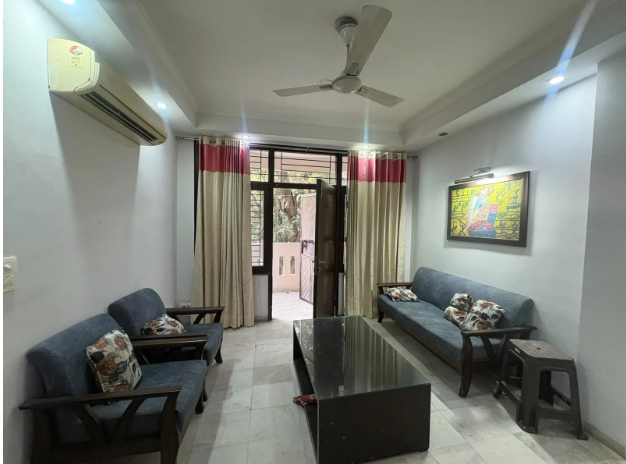
Choosing a three-bedroom home involves more than comparing photographs, floor areas and asking prices. A well-planned property should support daily routines, provide practical shared spaces and remain suitable as household needs change. When assessing 3 BHK flats for sale in Delhi NCR, examine how each room works, how the building is maintained and whether the property has clear documentation. A careful review helps distinguish attractive presentation from lasting comfort, construction quality and a financially sound purchase.
1. Check the Layout and Usable Space
A three-bedroom label does not guarantee a spacious or functional home. Ask whether the carpet area is measured consistently and request the floor plan before comparing options. Check door swings, storage niches and furniture placement, since these details influence movement. If the household includes children, older adults or someone working from home, assess whether the layout can accommodate those routines without compromising privacy. Compare carpet area with super built-up area to understand how much space is actually usable. Check whether bedrooms can accommodate beds, wardrobes and movement without blocking doors. Review the living and dining arrangement, kitchen circulation and passage widths.
Consider bedroom placement and privacy. A bedroom near the entrance may suit guests or an older family member, while rooms in a quieter section can offer separation. Check whether bathrooms are conveniently accessible and whether the kitchen has enough counter, storage and appliance space.
2. Assess Daylight and Ventilation
Visit during daylight rather than relying on photographs. Notice which rooms receive sunlight, whether windows open properly and whether air can move through the home. Poor ventilation can make kitchens and bathrooms uncomfortable and encourage dampness. Look for water stains, peeling paint and musty smells, especially near windows and bathroom walls.
Delhi NCR experiences hot summers, winter fog and seasonal rain. Ask how the apartment handles heat, drainage and cross-ventilation. Inspect balcony drainage, railing condition and exposure to road dust or nearby construction.
3. Examine Construction and Common Areas
Inspect walls, ceilings, flooring, doors, windows and bathroom fittings. Wide cracks, recurring damp patches, uneven floors or rust around structural elements deserve professional assessment. Test taps, flushes, switches and water pressure.
Shared facilities affect daily comfort too. Inspect lifts, staircases, fire exits, corridors, entry systems, parking areas, pumps and power backup. Ask residents or the association about recurring repairs, pending maintenance, monthly charges and major expenses expected soon.
4. Verify Parking, Water and Essential Services
Confirm parking in writing instead of relying on verbal assurances. Find out whether the space is allotted, covered, open or shared, and whether it suits your vehicle.
Ask about water sources, tanker dependence, storage, sewage connections and rainwater drainage. Check electricity load, meter arrangements, backup power, internet availability and waste collection. Confirm distances to public transport, schools, hospitals, shops and workplaces.
5. Review the Neighbourhood and Future Development
Observe approach roads, footpaths, drainage, nearby commercial activity and neighbourhood upkeep. Visit during peak hours to understand congestion. Check whether nearby construction could affect sunlight, views, noise or access.
Distinguish approved infrastructure projects from rumours. Consider whether the locality meets your household’s current needs and likely future routines. Compare similar homes nearby to judge whether the asking price reflects the property’s condition and location.
6. Check RERA and Building Approvals
For an under-construction project, verify its registration and disclosures with the relevant state RERA authority. Match the project name, promoter, phase, approved plans, completion timeline and advertised facilities with official records. Check for extensions, complaints or orders.
For a completed apartment, ask for the sanctioned building plan, completion certificate and occupancy certificate, where applicable. Confirm that the flat’s floor, layout and use match approved records. Delhi NCR spans several jurisdictions, including Delhi, Gurugram, Noida, Greater Noida and Ghaziabad. Check approvals with the relevant local authority rather than assuming the same rules apply everywhere.
7. Investigate Ownership and Encumbrances
Before paying a token amount, ask a property lawyer to examine ownership documents and the chain of title. Review the registered sale or conveyance deed, previous transfer documents, owners’ identities and authority to sell. If the property is inherited or jointly owned, confirm the legal basis and required consents. A power of attorney alone should not be treated as proof that ownership has transferred.
Ask for loan closure documents and release of charge where an earlier loan has been repaid. Obtain current tax and utility receipts, and check outstanding association dues. Buyers considering independent houses for sale by owner in Delhi NCR should also verify plot boundaries, land-use permissions, access rights and building approvals.
8. Calculate the Complete Purchase Cost
The quoted price is only part of the financial commitment. Prepare an estimate covering the agreement value, stamp duty, registration fee, applicable taxes, maintenance deposit, parking, utility deposits, interiors and repairs. In Delhi, stamp duty and registration charges depend on applicable rules and property value; rates and procedures may differ in neighbouring NCR jurisdictions. Confirm current amounts with the relevant revenue department before budgeting.
Request a clear breakup of builder or society charges. Compare the total cost of shortlisted homes rather than headline prices alone, and keep a contingency for repairs, furnishing and moving.
9. Read Every Agreement Carefully
Ensure the agreement correctly identifies the property, carpet area, parking rights, included fixtures, payment schedule, possession date and responsibility for outstanding dues. Record promised repairs or changes in writing. Check the consequences of delay, cancellation or breach, and confirm when possession and keys will be handed over.
Conclusion
The right three-bedroom home combines a functional layout, sound construction, dependable utilities, suitable surroundings and legally clear ownership. Inspect the building, compare total costs and obtain professional document review before committing. A disciplined evaluation can help you choose 3 BHK flats for sale in Delhi NCR with greater confidence while reducing the risk of unexpected expenses, approval issues or avoidable maintenance problems.
With a focus on transparency, convenience and informed property decisions, Homish supports property buyers and sellers with verified listings, ownership and document checks, market-aligned pricing, direct owner connections and coordinated site visits. Their pay-on-success model charges 0.25% from the buyer and seller, payable only when the transaction closes. Customers can browse, list and visit properties without upfront charges, helping make the purchase journey clearer with practical guidance at key stages.