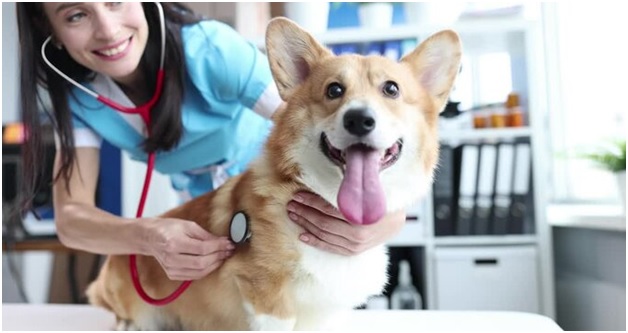
A healthy heart keeps your pet active, playful, and ready to enjoy every moment by your side. But unlike an injured paw or an upset stomach, heart disease often develops quietly. The earliest warning signs can be so subtle that they are easily mistaken for aging, laziness, or temporary fatigue. A dog that slows down during walks or a cat that suddenly prefers resting over climbing may actually be showing the first signs of a cardiac condition.
Knowing when to consult a vet heart specialist can make all the difference. Early diagnosis allows many heart conditions to be managed before they progress, helping pets maintain a better quality of life. By understanding the symptoms and knowing when specialist care is needed, pet owners can take timely action that protects their companion’s long-term health.
Why Heart Health Matters in Pets
The heart is responsible for delivering oxygen and nutrients to every organ in the body. When it does not function properly, the effects can be widespread, influencing your pet’s breathing, energy levels, appetite, and overall well-being. Heart disease in pets may be present from birth or develop later in life.
Some conditions progress slowly over many years, while others advance much more rapidly. Regardless of the cause, early detection often leads to better treatment outcomes and improved quality of life. Routine veterinary check-ups play an important role in identifying heart problems before they become severe, especially because many pets show few obvious symptoms during the early stages.
Understanding the Role of a Veterinary Cardiologist
A veterinary cardiologist is a veterinarian with advanced expertise in diagnosing and treating diseases affecting the heart and circulatory system. Unlike a general examination, a cardiac assessment focuses specifically on evaluating heart function using specialized diagnostic equipment such as:
- Echocardiography (heart ultrasound).
- Electrocardiogram (ECG).
- Chest X-rays.
- Blood pressure monitoring.
- Cardiac blood tests.
These advanced diagnostic tools help identify the exact cause of symptoms and allow veterinarians to develop an effective treatment plan based on each pet’s condition.
Signs Your Pet May Need a Cardiac Evaluation
Heart disease rarely appears overnight. Most pets experience gradual physical or behavioral changes that become more noticeable with time.
Persistent Coughing
An occasional cough may not be alarming, but one that becomes frequent or lasts for several days deserves attention. In some cases, heart enlargement or fluid accumulation associated with heart disease can contribute to chronic coughing. Early evaluation helps determine whether the cause is respiratory or cardiac.
Difficulty Breathing
Breathing changes should never be ignored. Breathing difficulties can indicate serious heart disease and require prompt veterinary assessment.
Common warning signs include:
- Rapid breathing while resting
- Labored or heavy breathing
- Shortness of breath after mild activity
- Open-mouth breathing, particularly in cats
Reduced Energy Levels
One of the earliest indicators of heart disease is decreased stamina. Although aging naturally affects activity levels, sudden or noticeable changes should always be investigated.
You may notice that your pet:
- Becomes tired during normal walks
- Sleeps more than usual
- Shows less interest in playing
- Avoids climbing stairs or jumping
Fainting or Collapse
Episodes of fainting are considered medical emergencies. Abnormal heart rhythms or poor blood circulation may temporarily reduce oxygen supply to the brain, resulting in sudden collapse. Immediate veterinary care is essential whenever these symptoms occur.
Changes in Appetite and Weight
Heart disease may gradually affect your pet’s appetite and body condition. Because these changes often develop slowly, regular observation at home is extremely valuable.
Some pets develop:
- Reduced appetite
- Unexplained weight loss
- Muscle wasting
- Swelling in the abdomen caused by fluid retention
Heart Murmurs Should Not Be Ignored
Many heart conditions are discovered during routine health examinations. A veterinarian may detect a heart murmur while listening to your pet’s heartbeat. Although some murmurs are harmless, others may indicate structural abnormalities or developing heart disease.
Further diagnostic testing helps determine:
- Whether the murmur is significant
- The severity of the condition
- Whether treatment is required
- How frequently monitoring should occur
Early investigation often prevents more serious complications later.
Certain Breeds Have a Greater Risk
Some breeds are genetically more susceptible to heart disease than others. Owners of these breeds should prioritize routine veterinary check-ups, even when no symptoms are present.
Dogs with increased risk include:
- Cavalier King Charles Spaniels
- Doberman Pinschers
- Boxers
- Great Danes
- Miniature Schnauzers
Cat breeds commonly associated with heart disease include:
- Maine Coons
- Ragdolls
- British Shorthairs
- Persians
When Your Veterinarian May Recommend a Specialist
General veterinarians manage many cardiac conditions successfully. However, some cases require advanced evaluation by a vet heart specialist. Specialized assessment provides a more comprehensive understanding of heart function and supports better long-term treatment decisions.
Referral is commonly recommended when:
- A heart murmur requires detailed investigation.
- Advanced cardiac imaging is necessary.
- Congenital heart disease is suspected.
- Abnormal heart rhythms are identified.
- Medications require specialized adjustment.
- Surgery requires a cardiac evaluation beforehand.
- Symptoms continue despite treatment.
How Heart Disease Is Managed
Treatment depends on the diagnosis, severity of the condition, and your pet’s overall health.
Medication
Many heart diseases can be managed successfully with medication that helps:
- Improve heart function
- Reduce fluid accumulation
- Control blood pressure
- Manage abnormal heart rhythms
Lifestyle Adjustments
Veterinarians may also recommend:
- Maintaining a healthy weight
- Moderate exercise based on the pet’s condition
- Nutritional support
- Reduced stress
- Regular follow-up examinations
Every treatment plan is tailored to the individual needs of the pet.
Why Early Diagnosis Is So Important
Heart disease is often progressive, but early intervention can significantly improve outcomes. Regular health screenings combined with attentive observation at home provide the best opportunity for early detection.
Timely diagnosis allows veterinarians to:
- Slow disease progression
- Improve comfort and quality of life
- Reduce emergency situations
- Monitor changes more effectively
- Adjust treatment as the condition evolves
Helping Your Pet Live Comfortably with Heart Disease
Managing heart disease is a partnership between veterinary professionals and pet owners. These daily habits help improve your pet’s comfort while supporting ongoing treatment.
Simple steps that support long-term heart health include:
- Giving medications exactly as prescribed.
- Monitoring resting breathing rates.
- Attending scheduled follow-up visits.
- Reporting new symptoms promptly.
- Maintaining proper nutrition.
- Following exercise recommendations.
Conclusion
Heart disease does not always announce itself with obvious symptoms. Small changes in breathing, activity, appetite, or behavior can be early signs that your pet needs medical attention. Seeking professional advice before symptoms worsen can lead to earlier diagnosis, more effective treatment, and a better quality of life. If advanced cardiac care is recommended, consulting a cardiologist vet in Dubai Silicon Oasis ensures your pet receives specialized evaluation and personalized treatment from experienced veterinary professionals.
Pet Point Veterinary Clinic is committed to delivering compassionate, high-quality veterinary care through experienced doctors, advanced medical technology, and transparent communication. They provide comprehensive healthcare services tailored to each pet’s needs, including specialized orthopedic care that supports improved mobility, recovery, and long-term well-being. Their patient-first approach reflects their dedication to helping every pet receive the highest standard of veterinary care.