A stye can cause redness, swelling, tenderness, and discomfort around the eyelid, making everyday activities less comfortable. Although most styes improve naturally within a few days, gentle home care can help ease irritation and support the healing process. For anyone searching for stye relief UK, simple measures such as applying a warm compress, maintaining eyelid hygiene, and avoiding eye makeup can make a meaningful difference. Harsh chemicals and unverified home remedies are unnecessary and may increase irritation around the delicate eye area. Understanding the causes of styes, recognising safe treatment options, and knowing when to seek medical advice can help protect eye health.
What Is a Stye and Why Does It Develop?
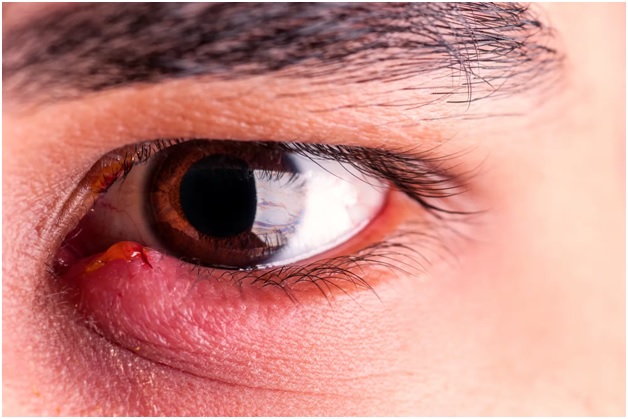
A stye is a small, painful lump that develops near the edge of an eyelid or beneath the eyelid. It usually occurs when an oil gland or eyelash follicle becomes blocked and infected, commonly with bacteria such as Staphylococcus aureus. The affected area may become red, swollen, tender, and occasionally develop a small pus-filled spot. Poor eyelid hygiene, touching the eyes with unwashed hands, and certain skin conditions can increase the likelihood of developing a stye. Although uncomfortable, most styes are temporary and improve with appropriate care.
Effective Home Remedies for Stye Relief UK
Gentle home treatments are often the first step when managing a minor stye. A warm compress can soften blocked oils, ease tenderness, and encourage natural drainage. Regular eyelid cleaning also helps remove debris and reduce irritation. These measures are generally suitable for uncomplicated styes and avoid unnecessary exposure to strong cleansing products.
Apply a Warm Compress
A warm compress is one of the most widely recommended home treatments for a stye. A clean flannel soaked in comfortably warm water can be placed over the closed eyelid for approximately 5–10 minutes. The cloth should remain warm without becoming hot enough to burn the delicate skin. Repeating this process three or four times daily may help loosen blocked oils and encourage the stye to heal naturally. A fresh, clean cloth should be used for each session to reduce the risk of spreading bacteria.
Keep the Eyelid Clean
Gentle eyelid hygiene is important during recovery. Hands should be washed thoroughly before touching the area, and the closed eyelid can be cleaned carefully with clean water and a soft, lint-free cloth. Excessive rubbing, vigorous scrubbing, and fragranced cleansers should be avoided because these may worsen irritation. Specialist eyelid wipes designed for sensitive eyes may also be suitable when used according to the manufacturer’s instructions. Keeping the surrounding skin clean helps minimise additional irritation while the affected gland recovers.
Avoid Squeezing or Popping the Stye
Although a visible white spot may make a stye appear ready to drain, squeezing or piercing the lump can cause further inflammation and spread infection. Pressure may damage surrounding tissue and prolong recovery. Natural drainage is generally safer, supported by regular warm compresses and gentle hygiene. If the swelling becomes increasingly painful, spreads across the eyelid, or fails to improve, advice from an optometrist, pharmacist, or GP is appropriate.
Natural Stye Treatments Without Harsh Chemicals
The delicate skin around the eyes requires particular care. Natural or chemical-free labels do not automatically mean that a product is safe for the eye area. Simple, fragrance-free care is often more suitable than applying household ingredients or concentrated botanical products directly to an inflamed eyelid.
Use Clean Water and Gentle Care
Clean, comfortably warm water provides a simple option for preparing a compress without adding unnecessary ingredients. Separate cotton pads or a clean flannel can help remove surface debris gently. Any material used near the eye should be clean and free from loose fibres. Essential oils, lemon juice, vinegar, alcohol, and undiluted herbal extracts should never be applied to a stye, as these substances can irritate the eye or damage sensitive tissue.
Avoid Unverified Home Remedies
Tea bags, garlic, toothpaste, and other household products are sometimes suggested as traditional stye treatments. However, these methods lack reliable evidence of benefit and may introduce contaminants or irritating substances. A warm compress made with clean water is a safer, more practical alternative. Eye drops containing antibiotics should not be used without appropriate professional advice, since many uncomplicated styes improve without antibiotic treatment.
Daily Habits That May Help Prevent Styes
Good eye hygiene can reduce some of the factors associated with recurring eyelid inflammation. Small changes to everyday routines may help keep the eyelids cleaner and lower the risk of irritation.
Helpful habits include:
- Washing hands before touching the eyes or inserting contact lenses.
- Removing eye makeup thoroughly before sleeping.
- Replacing old or contaminated eye cosmetics and avoiding shared makeup products.
- Cleaning contact lenses correctly and following recommended replacement schedules.
- Avoiding eye rubbing, particularly when hands are unclean.
- Cleaning eyelids gently when recommended for conditions such as blepharitis.
People who experience repeated styes may benefit from an eye examination to identify contributing problems, including blocked oil glands or chronic eyelid inflammation.
How Long Does a Stye Take to Heal?
Many uncomplicated styes begin improving within a few days and resolve within approximately one to two weeks. Consistent warm compresses and gentle eyelid hygiene can support recovery, although the healing time varies depending on the size and severity of the lump. A stye should gradually become less tender and swollen rather than increasingly painful. A persistent lump that remains after the initial inflammation settles may be a chalazion, which develops when an oil gland becomes blocked. An optometrist or GP can assess persistent or recurring eyelid lumps and recommend appropriate treatment.
When Should Medical Advice Be Sought?
Home care is suitable for many minor styes, but certain symptoms require professional assessment. Medical advice should be sought if a stye does not begin improving after a few days, persists beyond one to two weeks, repeatedly returns, or becomes increasingly painful. Prompt assessment is important if redness or swelling spreads beyond the immediate eyelid area, or if fever develops.
Urgent medical attention is necessary for changes in vision, significant eye pain, pain when moving the eye, a bulging eye, or rapidly spreading swelling around the eye. These symptoms may indicate a more serious condition than a simple stye. In the UK, an optometrist, GP, or NHS 111 can help determine the appropriate next step, depending on the severity of the symptoms.
Supporting Sensitive Eye Care with the bye co.
Gentle routines and carefully selected products can make everyday eye care more comfortable, particularly for people concerned about irritation from unnecessary ingredients. The bye co. can be considered as a resource for exploring eye-care products and routines suited to individual needs, with attention to ingredient transparency, appropriate use, and the sensitivity of the eye area. Product suitability should always be assessed carefully, especially when inflammation or infection is present. Any product intended for use around the eyes should be specifically suitable for that area and used according to its instructions. For persistent symptoms, professional advice remains essential. A simple approach centred on warm compresses, clean eyelids, and avoiding harsh remedies offers a practical starting point for stye relief UK.