Understanding your body composition is a foundational step in any fitness or wellness journey, and for women, a BMI calculator is one of the most accessible tools to get started. BMI — Body Mass Index — provides a quick estimate of whether your weight is in a healthy range relative to your height. While it is not a perfect measure, it is a highly useful starting point for monitoring fitness progress and setting health goals.
What Is a BMI Calculator and How Does It Work?
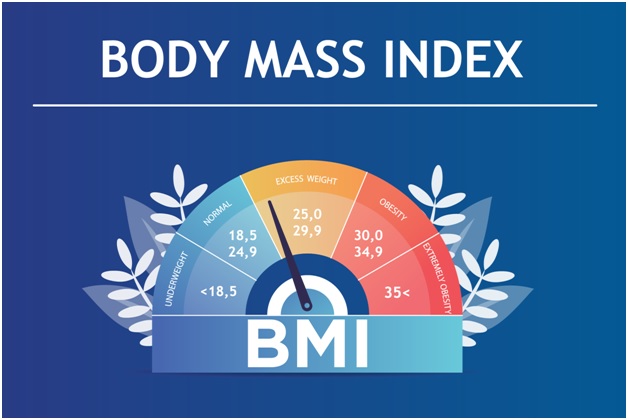
A BMI calculator women computes your Body Mass Index using the formula: BMI = weight (kg) ÷ height² (m²). The resulting number is then classified as underweight (below 18.5), normal weight (18.5–24.9), overweight (25–29.9), or obese (30 and above). For women, these categories carry specific health implications related to hormonal balance, bone density, cardiovascular risk, and reproductive health.
Why BMI Monitoring Matters Specifically for Women
Women’s bodies undergo significant changes across life stages — puberty, pregnancy, postpartum recovery, and menopause. Each phase affects body composition differently. A BMI calculator for women helps track these changes systematically. For example, maintaining a healthy BMI during reproductive years reduces the risk of polycystic ovarian syndrome (PCOS), gestational diabetes, and complications during pregnancy.
Setting Realistic Fitness Goals Using BMI
Your current BMI gives you a clear target range. If you are overweight (BMI 25–29.9), even a modest reduction of 5–10% of body weight can significantly lower your risk of type 2 diabetes, hypertension, and joint problems. The BMI calculator helps you set milestone-based goals — for instance, moving from BMI 27 to 24 over six months — which are more motivating and measurable than vague weight loss targets.
Combining BMI with the Basal Metabolic Weight Calculator
While the BMI calculator tells you where you stand, the basal metabolic weight calculator tells you how many calories your body burns at rest. Knowing your BMR allows you to design a diet and exercise plan that creates the right calorie deficit for safe, sustainable weight loss — or the surplus needed for muscle building. Together, BMI and BMR provide a comprehensive picture of your body’s energy dynamics.
Limitations of BMI for Women
BMI does not distinguish between fat mass and muscle mass. An athletic woman with high muscle mass may have a higher BMI that incorrectly classifies her as overweight. It also does not account for fat distribution — visceral fat (around the abdomen) is more dangerous than subcutaneous fat even at the same BMI. Use BMI alongside waist circumference and body fat percentage for a more complete assessment.
How Often Should Women Check Their BMI?
Checking BMI every 3–6 months is sufficient for most women. More frequent monitoring can be useful if you are actively on a weight management programme. Track your BMI alongside other metrics like energy levels, fitness performance, and medical test results to get a holistic view of your health trajectory.
Conclusion
A BMI calculator is a simple, free, and powerful tool for women to monitor their health and fitness progress. By combining it with a basal metabolic weight calculator and regular physical measurements, you can build a data-driven approach to achieving and sustaining your fitness goals — at any age or life stage.