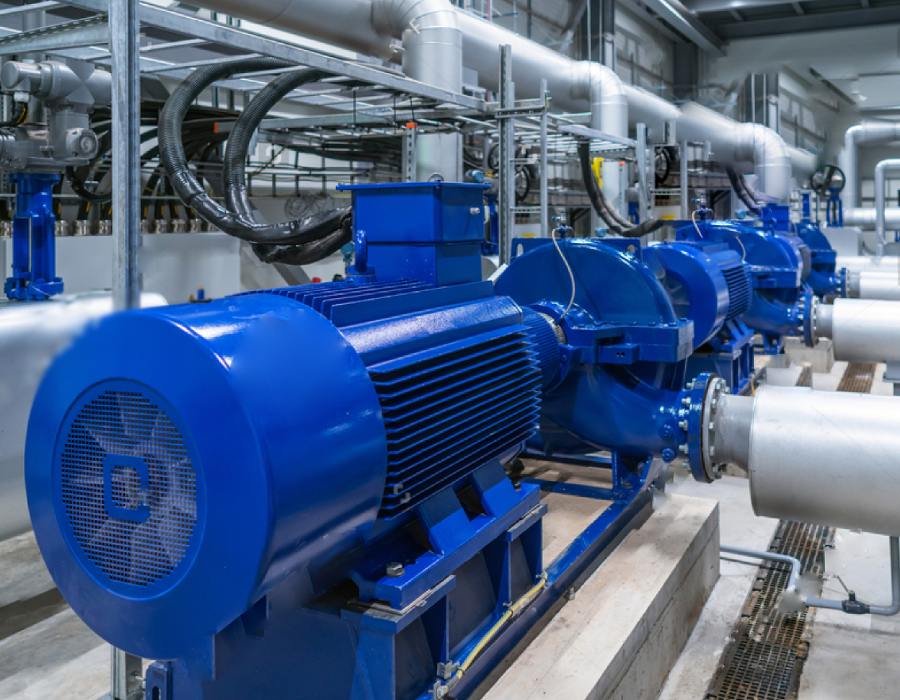
In the landscape of modern fluid handling, the difference between a seamless production cycle and a costly downtime event often comes down to the reliability of your transfer equipment. Industrial fluid dynamics require precision, consistency, and durability—qualities that are non-negotiable when handling viscous materials, abrasive slurries, or shear-sensitive fluids. For plant managers and process engineers, selecting the right equipment is not merely a procurement task; it is a critical infrastructure decision that dictates operational output and maintenance overhead.
The industry consistently points toward the progressive cavity pump as a cornerstone of reliable fluid management. By understanding why these systems are prioritized and how they integrate into complex processing environments, businesses can better align their hardware choices with long-term performance goals.
The Mechanical Foundation of Consistent Flow
At its core, a PC pump operates on a simple yet highly effective principle: a positive displacement mechanism consisting of a helical rotor spinning within a stationary elastomeric stator. As the rotor turns, it creates a series of sealed chambers that move the fluid from the intake to the discharge point at a constant velocity.
This mechanism is inherently superior for applications where flow pulsation must be avoided. Unlike diaphragm or centrifugal alternatives, the progressive cavity design produces a smooth, non-pulsing output. This stability is essential in chemical dosing, food processing, and wastewater treatment, where even minor variations in flow can affect product quality or regulatory compliance. When you integrate a PC pump into a sensitive workflow, you are essentially buying consistency, which in turn reduces the need for frequent process recalibration.
Why Quality Matters in High-Stress Environments
In industrial settings, “good enough” is rarely sufficient. The difference between a standard unit and quality pumps often reveals itself in the lifespan of the internal components and the pump’s ability to handle “difficult” media. High-quality systems are engineered with materials that resist chemical corrosion and mechanical abrasion, ensuring that the critical seal between the rotor and stator remains intact even under heavy load.
The procurement of quality pumps requires looking beyond the initial price tag. Engineers focus on:
- Material Compatibility: Ensuring that the stator elastomer can withstand specific pH levels and chemical exposures without degrading.
- Precision Machining: The tighter the tolerances in the rotor-stator fit, the higher the volumetric efficiency and the lower the slip (internal leakage).
- Drive Train Robustness: High-end units utilize heavy-duty bearings and drive shafts that can survive the torque requirements of high-viscosity materials like polymers, slurries, and heavy greases.
Investing in these superior standards prevents premature failure, which is the most significant hidden cost in any fluid handling operation.
Strategic Advantages of Progressive Cavity Technology
Beyond basic transfer, the design offers several inherent advantages that make it a favorite for engineers dealing with challenging media:
Shear Sensitivity Protection
Many liquids, including polymers, paints, and food-grade mixtures, are “shear-sensitive.” If they are agitated too aggressively, their chemical properties change, leading to product waste. The gentle, low-shear pumping action of a PC pump ensures that the molecular structure of the fluid remains intact, preserving the integrity of the end product.
Handling High-Viscosity and Abrasive Media
The geometry of the internal pumping elements allows these units to move extremely thick liquids—materials that would clog or overwhelm centrifugal impellers. Furthermore, because the pump operates at relatively low internal speeds, it is exceptionally well-suited for abrasive slurries that would rapidly erode high-speed pumps. By choosing quality pumps built with hardened rotors and specialized stators, facilities can effectively manage waste streams, mining byproducts, and industrial adhesives.
Self-Priming and Dry-Running Capabilities
In many facility layouts, the pump must be positioned above the supply tank. Because of its positive displacement nature, a PC pump possesses a strong suction lift capability. This eliminates the need for complex priming systems. Additionally, while no pump should run dry indefinitely, many modern designs incorporate advanced lubrication channels that protect the stator during momentary dry-running intervals, preventing catastrophic damage that occurs in other pump architectures.
Reducing Total Cost of Ownership Through Maintenance
Maintenance is the silent drain on industrial budgets. When a pump fails, it rarely happens in isolation; it takes down the line, idles staff, and triggers emergency repair costs. The shift toward higher-end hardware is often motivated by a desire to extend the “Mean Time Between Maintenance” (MTBM).
Quality pumps are designed with modularity in mind. Features such as “pull-back” designs—where the rotating elements can be serviced without disconnecting the suction and discharge piping—dramatically reduce labor hours during routine inspections. When facility managers prioritize this ease of service, they aren’t just saving time; they are increasing the overall availability of the entire processing system.
Aligning Equipment Selection with Process Demands
Not every application requires the highest-spec equipment on the market, but every application requires the *right* equipment. To ensure long-term operational success, engineers should evaluate:
1. Media Characteristics: Is the fluid abrasive? Does it contain solids that could bridge the intake?
2. Pressure Requirements: Does the system require high-pressure head to move fluid through long piping runs or through filtration media?
3. Environmental Factors: Will the pump be exposed to extreme temperatures or caustic cleaning agents during “Clean-In-Place” (CIP) cycles?
By matching the specific requirements of the process to the capabilities of a PC pump, managers avoid the classic trap of over-engineering (wasted capital) or under-engineering (wasted time and energy).
The Future of Fluid Handling in Industrial Facilities
As industry moves toward higher levels of automation and tighter efficiency standards, the role of precision hardware becomes even more pronounced. Predictive maintenance sensors, vibration analysis, and IoT-enabled monitoring are now frequently integrated into modern fluid handling systems. These tools allow maintenance teams to monitor the health of their equipment in real-time.
When a PC pump is equipped with these smart sensors, operators can detect the subtle signs of stator wear or seal fatigue long before a leak occurs. This transition from reactive repairs to predictive care represents the next evolution of efficiency. It ensures that operations remain fluid, stable, and productive, regardless of how complex the substances being moved might be.
Ultimately, the goal of any industrial plant is to maintain a consistent output. By selecting quality pumps that are designed for the specific rigors of the environment, operators can turn one of the most common sources of facility frustration into a reliable, background component of their success. The investment in robust engineering, informed by a clear understanding of fluid dynamics, provides a foundation that supports growth, simplifies maintenance, and ensures that when the valve opens, the flow continues uninterrupted.