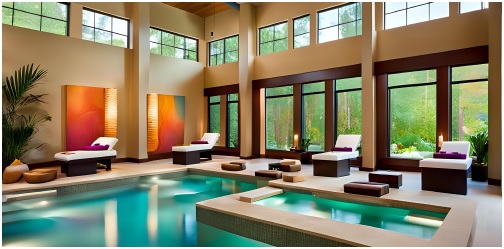
Modern residential design is steadily moving toward experiences that merge wellness, privacy, and architectural sophistication. Among these, indoor swimming pool designs for homes have emerged as a defining feature of contemporary luxury. They are no longer perceived as indulgent add-ons but as purposeful spaces that support relaxation, fitness, and lifestyle enhancement within the comfort of one’s home. Transforming a conceptual vision into a functional indoor pool requires more than aesthetic planning. It demands a structured approach that integrates engineering precision, environmental control, and spatial harmony. Every decision, from layout to material selection, contributes to the overall experience and long-term performance.
This blog explores how thoughtful design strategies turn ideas into refined indoor environments.
Strategic Space Planning for Seamless Integration
Designing an indoor pool begins with a clear understanding of how the space will function within the home, ensuring that layout decisions enhance both usability and architectural harmony.
- Purpose-driven layout planning: A successful indoor pool begins with identifying how the space will be used, whether for leisure, exercise, or entertainment. Designers carefully evaluate available space to ensure the pool integrates naturally without disrupting the home’s layout.
- Zoning and spatial balance: Creating distinct zones around the pool, such as lounging, changing, or relaxation areas, enhances usability. Proper zoning ensures that the pool area feels intentional rather than an afterthought within the home.
- Connection with surrounding interiors: Visual continuity plays a key role in elevating the experience. Transparent partitions, open sightlines, and coordinated materials help the pool blend seamlessly with adjacent living areas.
- Proportion and scale considerations: Maintaining the right proportions ensures the pool complements the architecture rather than overwhelming it. Designers focus on achieving balance to preserve both aesthetics and functionality.
Advanced Climate and Environmental Control
Creating a comfortable indoor pool environment relies on precise climate management systems that balance humidity, temperature, and air quality for long-term performance.
- Humidity management systems: Indoor pools generate significant moisture, which can affect structural integrity. Advanced dehumidification systems regulate humidity levels, protecting walls, ceilings, and furnishings from long-term damage.
- Temperature optimization techniques: Maintaining a consistent air and water temperature is essential for user comfort. Efficient heating systems ensure the environment remains pleasant throughout the year while minimizing energy consumption.
- Ventilation and air circulation: Well-designed ventilation systems prevent stale air buildup and maintain freshness. Strategic airflow design also reduces condensation, improving overall indoor air quality.
- Energy-efficient automation: Modern indoor pools often incorporate smart systems that automatically adjust temperature, humidity, and ventilation. These technologies enhance convenience while ensuring optimal performance.
Material Selection and Surface Engineering
The foundation of a durable and visually refined indoor pool lies in selecting materials that can withstand moisture while maintaining elegance and safety.
- Moisture-resistant materials: Selecting materials that withstand constant exposure to water and humidity is essential. Non-porous surfaces such as treated stone and specialized tiles ensure durability and ease of maintenance.
- Safety-focused surface finishes: Slip-resistant flooring around the pool enhances safety without compromising design aesthetics. Textured finishes provide grip while maintaining a refined appearance.
- Durability and longevity considerations: High-quality materials reduce the need for frequent repairs or replacements. Designers prioritize finishes that retain their visual appeal over time, even in demanding conditions.
- Visual coherence and design language: Material choices contribute to the overall aesthetic narrative. Coordinated colors and textures help create a cohesive environment that aligns with the home’s architectural style.
Lighting Design and Ambience Creation
Lighting plays a transformative role in shaping the atmosphere of indoor pools, combining functionality with aesthetic depth to enhance the overall experience.
- Layered lighting strategies: Combining ambient, task, and accent lighting enhances both functionality and mood. This layered approach ensures the space is adaptable for different uses and times of day.
- Natural light integration: Incorporating skylights or large windows allows natural light to enhance the pool environment. This reduces reliance on artificial lighting and creates a more inviting atmosphere.
- Underwater illumination techniques: Subtle underwater lighting adds depth and visual interest to the pool. It also improves safety by enhancing visibility during evening use.
- Mood-enhancing design elements: Adjustable lighting systems allow homeowners to create different atmospheres, from energizing brightness to calming relaxation settings. This flexibility elevates the overall user experience.
Personalization and Lifestyle-Oriented Features
Modern indoor pools are designed to reflect individual lifestyles, incorporating tailored features that elevate comfort, convenience, and everyday usability, much like the innovation seen in the best home pool designs in Dubai.
- Wellness-focused additions: Features such as hydrotherapy jets, temperature-controlled zones, and relaxation areas enhance the pool’s role as a wellness space. These elements support physical and mental well-being.
- Technology integration: Smart controls for lighting, temperature, and water features provide convenience and customization. Users can easily adjust settings to suit their preferences.
- Aesthetic customization options: From unique shapes to bespoke finishes, personalization allows homeowners to reflect their individual style. Each design becomes a distinct expression of taste and functionality.
- Multi-functional design elements: Incorporating features like seating areas or adjacent fitness zones increases usability. This approach ensures the pool serves multiple purposes within the home.
Conclusion
The journey from concept to completion in indoor swimming pool designs for homes requires a thoughtful balance of creativity, engineering, and user-focused planning. Each element, from spatial layout to environmental control, contributes to creating a space that is both functional and visually compelling. Indoor pools today represent more than luxury; they are carefully curated environments that enhance comfort, promote wellness, and elevate residential living standards. By integrating advanced technologies, durable materials, and personalized features, homeowners can achieve spaces that remain relevant and efficient over time.
For those seeking refined, innovative solutions, Madbrick Studio offers expertise in transforming architectural ideas into sophisticated realities that redefine comfort in modern homes. With a focus on precision, creativity, and client-centric design, it delivers tailored indoor pool concepts that seamlessly integrate with contemporary living spaces, ensuring each project reflects both functional excellence and timeless architectural appeal.