A well-chosen awning can completely change how you use your outdoor space. It adds shade, improves comfort, protects your interiors from heat, and enhances your home’s visual appeal. Yet many homeowners rush the decision and end up with something that doesn’t suit their lifestyle, climate, or design.
With so many styles, materials, and features available today, choosing the right awning is less about picking what looks good and more about understanding what works best for your space. This guide breaks it down in a clear, practical way so you can make a confident, long-term investment.
Understanding Why You Need an Awning
Before exploring designs and materials, it helps to define your purpose. Awnings are not one-size-fits-all solutions. Some are designed to reduce indoor heat, while others are built to extend living space outdoors.
If your goal is to keep interiors cooler, a fixed awning over windows or doors can significantly reduce solar heat gain. If you’re creating a comfortable outdoor seating area, retractable or freestanding awnings offer flexibility.
Many homeowners looking into premium options often come across brands like Regal Awnings, which offer tailored solutions depending on usage, location, and aesthetic preferences.
Types of Awnings and What They Offer
Different awning styles serve different needs, and understanding these variations is essential.
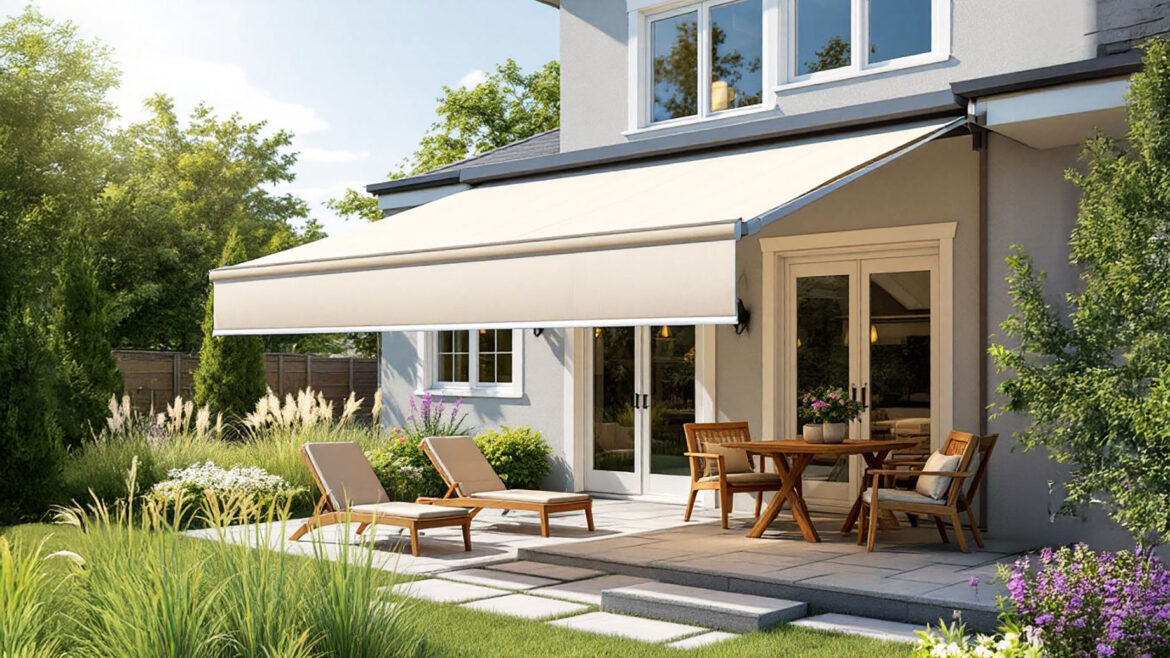
Retractable awnings are among the most popular choices for modern homes. They can be extended when needed and retracted during harsh weather, making them highly versatile. They are ideal for patios, decks, and outdoor dining areas.
Fixed awnings, on the other hand, are permanently installed and offer consistent protection. They work best over windows, entryways, or areas where constant shade is required.
Freestanding awnings are perfect for gardens or open spaces where wall mounting is not possible. These create independent shaded zones without altering the structure of your home.
Motorised awnings bring convenience into the equation. With remote or sensor-based controls, they adjust automatically based on sunlight or wind conditions.
Choosing the Right Material
The material of your awning determines its durability, maintenance needs, and performance.
Fabric awnings are widely used due to their flexibility and design variety. High-quality acrylic or polyester fabrics resist fading and water damage while allowing airflow.
Metal awnings, often made from aluminium, are more durable and require minimal maintenance. They are ideal for areas exposed to heavy rain or strong sunlight.
Polycarbonate awnings offer a modern look with excellent UV protection while still allowing natural light to filter through. They strike a balance between aesthetics and functionality.
The choice ultimately depends on your climate and how much exposure your awning will face throughout the year.
Considering Size and Placement
Size plays a critical role in how effective your awning will be. An awning that is too small may not provide adequate shade, while one that is too large can overpower the design of your home.
For windows, the awning should extend far enough to block direct sunlight during peak hours. For patios or decks, consider how much area you actually use rather than covering the entire space unnecessarily.
Placement is equally important. South-facing areas typically receive the most sunlight, making them ideal candidates for awning installation. Proper positioning ensures maximum shade and energy efficiency.
Matching Style with Your Home Design
An awning should complement your home, not clash with it. The colour, pattern, and frame design should align with your exterior.
Neutral tones tend to blend seamlessly, while bold patterns can add character when used thoughtfully. Striped designs are popular for traditional homes, while solid colours work well in contemporary settings.
Frame styles also matter. Sleek aluminium frames suit modern architecture, whereas decorative frames can enhance classic or heritage-style homes.
Weather Resistance and Durability
Weather conditions play a major role in determining the right awning.
In areas with strong sunlight, UV-resistant fabric is essential to prevent fading and ensure long-term performance. For regions with heavy rain, water-resistant materials and proper drainage angles are critical.
Wind resistance is often overlooked. Retractable awnings with wind sensors can automatically close during strong gusts, protecting the structure from damage.
Investing in quality materials and installation ensures your awning performs reliably across seasons.
Ease of Maintenance
Awnings should make your life easier, not add to your workload.
Fabric awnings require occasional cleaning to prevent dirt buildup and mould. Choosing stain-resistant and weatherproof materials can significantly reduce maintenance.
Metal and polycarbonate awnings are generally easier to maintain, requiring simple cleaning with water and mild detergent.
Retractable systems may need periodic servicing to ensure smooth operation, especially for motorised units.
Budget and Long-Term Value
Cost is always a factor, but it’s important to look beyond the initial price.
A cheaper awning may save money upfront but could require frequent repairs or replacement. High-quality options, although more expensive initially, offer better durability, performance, and aesthetics over time.
Consider the long-term value, including energy savings from reduced indoor cooling and increased usability of outdoor spaces.
Installation and Professional Guidance
Proper installation is just as important as choosing the right awning.
Incorrect installation can lead to structural issues, poor performance, or safety risks. Working with experienced professionals ensures the awning is securely fitted and optimised for your space.
Experts can also guide you on the best design, material, and placement based on your home’s layout and local climate conditions.
Conclusion
Choosing the right awning is about more than just shade. It’s about creating a comfortable, functional, and visually appealing extension of your home.
By understanding your needs, exploring different types, selecting suitable materials, and focusing on proper placement, you can make a decision that adds long-term value. A well-chosen awning enhances both lifestyle and property appeal, making it a worthwhile investment.