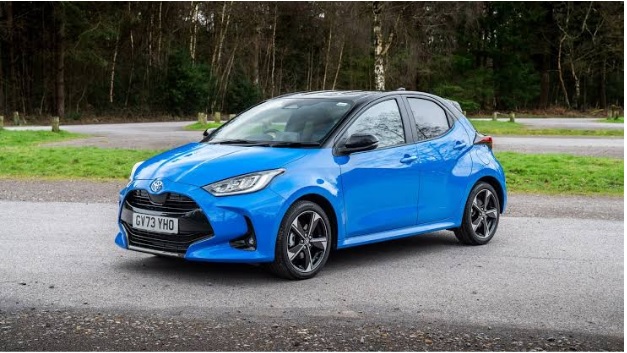
Hybrid cars have moved from being a niche choice to a fairly common sight on Indian roads. Their appeal is easy to understand: lower fuel consumption, quieter city driving and, in some cases, a more relaxed driving experience in traffic. But buying one involves more than looking at the ex-showroom price.
A question many buyers ask before taking the plunge is, how much does hybrid car cost in India? The answer depends on the type of hybrid, the model, variant and equipment. Once the purchase is made, there is another consideration worth discussing: should you spend extra on PPF film to protect the car’s paint?
How Much Does a Hybrid Car Cost in India?
There is no single price for a hybrid car because the Indian market includes different levels of hybrid technology.
Mild hybrids are generally positioned closer to conventional petrol cars, while strong hybrids tend to carry a higher upfront price because their powertrain includes a more capable electric motor and battery system. Premium hybrid SUVs and luxury models can obviously move into a much higher price bracket.
When asking how much does hybrid car cost, buyers should therefore look at the specific model rather than relying on a general market figure.
The purchase price is only the starting point. Insurance, registration, financing, fuel consumption, servicing and long-term ownership all contribute to the actual cost of keeping the vehicle.
Why Paint Protection Becomes Relevant
Once you’ve spent a substantial amount on a new car, protecting its exterior can seem like a sensible next step.
Indian roads are not particularly kind to pristine paintwork. Dust, gravel, construction debris, bird droppings and careless parking can leave marks surprisingly quickly. Highway driving adds another risk: small stones thrown up by vehicles ahead can cause chips on the bumper or bonnet.
This is where PPF film, or Paint Protection Film, has a role to play.
Unlike a wax or coating, PPF is a physical layer applied over the paint. It is designed to take some of the punishment before it reaches the original finish.
What PPF Film Can Actually Protect Against
A good PPF installation can help reduce damage from minor stone impacts, light scratches and everyday abrasion. It is commonly applied to areas such as the front bumper, bonnet, front fenders, ORVMs and door edges.
Some modern films also have self-healing top coats. Fine marks on the surface can become less noticeable when exposed to suitable heat, helping the film retain its appearance.
That doesn’t mean PPF makes the car scratch-proof. A serious impact can still damage the film and the panel underneath. Its purpose is to reduce the likelihood of everyday damage, not make the vehicle immune to accidents.
Is PPF Worth Adding to a Hybrid?
This comes down to how you use the car.
If the hybrid is primarily a city vehicle and spends most of its time in covered parking, full-body PPF may not be necessary. Protecting the front bumper and other high-risk areas could be a more sensible compromise.
For someone who regularly travels between cities, drives on highways or keeps a new vehicle for many years, broader coverage may be easier to justify.
The condition of the paint also matters. Applying PPF to a brand-new car or a properly corrected surface generally makes more sense than covering paint that already has significant defects.
Think About the Long-Term Cost
The easiest way to judge PPF is not to compare its price with the cost of the hybrid itself. Instead, consider what you are trying to avoid.
A stone chip is usually a small cosmetic issue. Several chips across a bumper or bonnet, however, can make a relatively new vehicle look tired. Repainting panels later can also involve colour-matching concerns, particularly on certain finishes.
PPF doesn’t eliminate those expenses in every situation, but it can reduce the chance of needing cosmetic repairs in the first place.
For an expensive hybrid that you plan to keep for five, seven or even ten years, preserving the original paint may have practical value beyond appearance.
PPF vs Ceramic Coating
Some owners confuse PPF with ceramic coating because both are marketed as paint-protection solutions.
They are quite different.
Ceramic coating creates a thin protective layer that improves water repellency, gloss and resistance to environmental contaminants. PPF film provides a much thicker physical barrier and is better suited to impact protection.
The two can also be used together when the products are compatible. PPF can cover the vulnerable panels while a suitable coating makes the protected surface easier to clean.
Choosing PPF Without Overspending
You don’t necessarily need the most expensive package available.
Start by identifying the areas most exposed to damage. Ask about the film’s thickness, clarity, self-healing properties, warranty, and expected lifespan. Most importantly, find out who will install it.
Installation quality can make a bigger difference than buyers expect. Poorly finished edges, trapped contamination or excessive stretching can spoil the appearance of an otherwise good film.
A reputable installer should also explain maintenance requirements rather than simply handing the car back after installation.
Conclusion
So, how much does hybrid car cost? There is no universal answer, because the Indian hybrid market covers several price levels and technologies. But the bigger ownership question is what you want to spend after buying the vehicle.
For owners who care about keeping their new hybrid’s factory finish intact, PPF film can be a worthwhile addition. Full coverage isn’t essential for everyone; strategic protection of vulnerable panels may offer a better balance between cost and benefit.