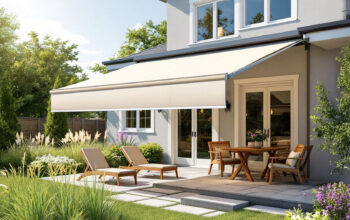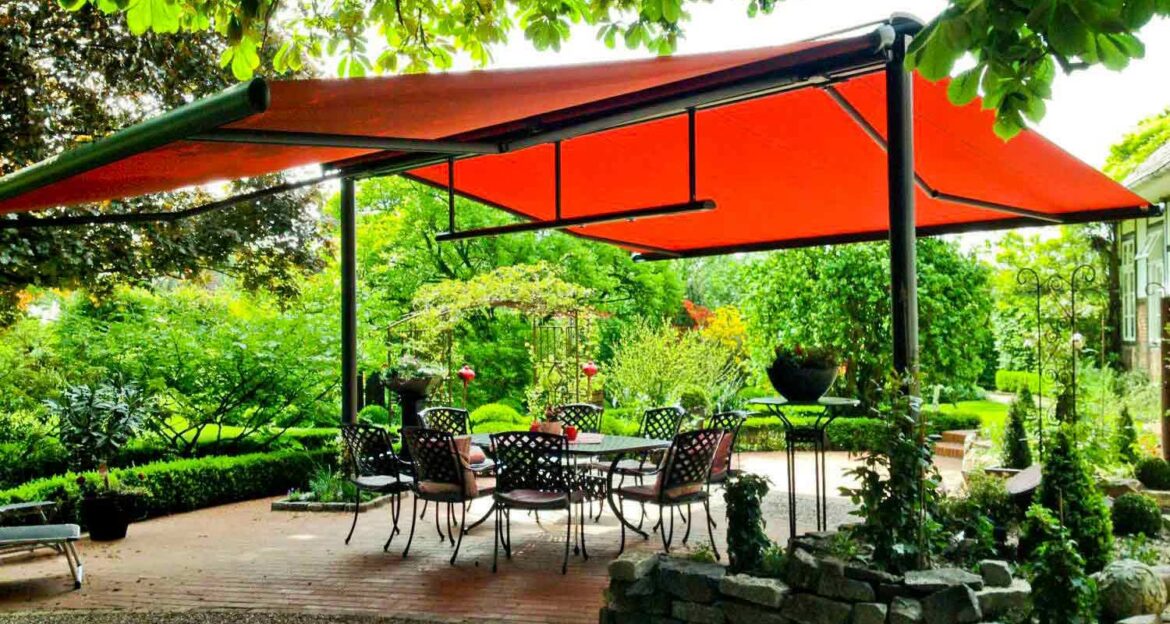
Outdoor living has become an essential part of modern homes, and choosing the right shading solution can make a significant difference to comfort and usability. Whether you’re relaxing, entertaining, or protecting your space from the elements, selecting the right awnings for my garden is an investment worth considering carefully.
The choice often comes down to two main options: manual and motorised awnings. Each offers distinct benefits, costs, and practical considerations. Below is a clear, side-by-side breakdown to help you decide which option delivers the best value for your needs.
1. Ease of Use: Convenience vs Simplicity
Manual awnings rely on a hand crank mechanism to extend and retract the canopy. While straightforward, they require physical effort, especially for larger installations. For occasional use, this may not be an issue, but frequent adjustments can become inconvenient over time.
Motorised awnings, on the other hand, operate with the push of a button or remote control. Some advanced models even integrate with smart home systems or weather sensors. This makes them ideal for users who prioritise convenience and effortless control. If accessibility or ease is important, motorised options clearly have the edge.
2. Installation Costs: Budget-Friendly vs Premium Investment
Manual awnings are generally more affordable upfront, making them a popular choice when considering awnings for my garden on a budget. They have fewer components and do not require electrical connections, which keeps installation simple and cost-effective. This makes them a practical option for homeowners seeking reliable shade without a significant upfront investment.
Motorised awnings involve higher initial costs due to motors, wiring, and optional automation features. Professional installation is often required, which adds to the expense. However, many buyers view this as a long-term investment in comfort and functionality rather than a short-term cost.
3. Durability and Maintenance: Fewer Parts vs Advanced Systems
Manual awnings have a simpler design with fewer moving parts, which often translates to lower maintenance requirements. With proper care, they can last for many years without significant issues.
Motorised awnings include electrical components that may require occasional servicing. While modern systems are built for durability, repairs can be more complex and costly if faults occur. However, many high-quality motorised systems are designed to withstand regular use and varying weather conditions, offering reliable long-term performance.
4. Weather Adaptability: Manual Control vs Smart Automation
With manual awnings, you need to monitor weather conditions yourself. Strong winds or heavy rain require you to retract the awning manually to prevent damage. This can be inconvenient if you are not at home.
Motorised awnings often include sensors that automatically retract the canopy in adverse weather. Wind and rain sensors provide an added layer of protection, reducing the risk of damage and extending the lifespan of the awning. This feature is particularly valuable in areas with unpredictable weather.
5. Aesthetic Appeal: Traditional vs Modern Design
Manual awnings tend to have a more traditional appearance. While they are available in a variety of styles and fabrics, their operation mechanism is usually visible.
Motorised awnings offer a sleeker, more modern finish. Hidden motors and streamlined designs enhance the overall look of your outdoor space. For homeowners focused on aesthetics and contemporary design, motorised options often provide a more polished result.
6. Energy Efficiency: Passive vs Smart Shading
Both types of awnings help reduce heat inside your home by blocking direct sunlight, which can lower cooling costs during warmer months.
Motorised awnings, however, can optimise energy efficiency further. Automated systems can adjust based on sunlight intensity, ensuring consistent shade throughout the day. This reduces reliance on air conditioning and contributes to a more energy-efficient home environment.
7. Long-Term Value: Immediate Savings vs Lifestyle Upgrade
Manual awnings offer excellent value for money in the short term. They are reliable, cost-effective, and suitable for occasional use.
Motorised awnings deliver long-term lifestyle benefits. The added convenience, automation, and modern features can enhance daily living and even increase property appeal. For homeowners planning to stay long-term or improve their outdoor space significantly, the higher upfront cost may be justified.
FAQs
What is the main difference between manual and motorised awnings?
The main difference lies in operation. Manual awnings require a hand crank to extend or retract, while motorised awnings use an electric motor controlled by a switch or remote. Motorised options offer greater convenience, especially for larger awnings or frequent use, while manual systems are simpler and more budget-friendly.
Are motorised awnings worth the extra cost?
Motorised awnings are worth the investment if you value convenience, automation, and modern features. They are particularly useful for larger outdoor areas or frequent use. While they cost more initially, their ease of operation and added functionality often provide long-term value and improved comfort.
Do manual awnings last longer than motorised ones?
Manual awnings can sometimes last longer due to their simpler design and fewer mechanical components. However, high-quality motorised awnings are also built to be durable. Proper maintenance and correct usage play a key role in the lifespan of both types.
Can motorised awnings work during power cuts?
Most motorised awnings rely on electricity, so they may not function during power outages. Some models include a manual override feature, allowing you to operate the awning by hand if needed. It is advisable to check this feature before purchasing.
Which type of awning is best for windy areas?
Motorised awnings with wind sensors are generally better for windy areas. These sensors automatically retract the awning when wind speeds increase, helping prevent damage. Manual awnings require you to monitor weather conditions and retract them yourself.
Final Thoughts
Choosing between manual and motorised awnings ultimately depends on your priorities, budget, and how you use your outdoor space. Manual awnings are a practical, cost-effective solution that gets the job done with minimal complexity. In contrast, motorised awnings provide superior convenience, enhanced safety features, and a more refined user experience.
If you’re looking for a simple and affordable shading option, manual awnings are a solid choice. However, if you value ease of use, smart functionality, and long-term comfort, investing in motorised awnings can transform your outdoor living experience. Carefully assessing your needs will help you make the right decision for your garden.