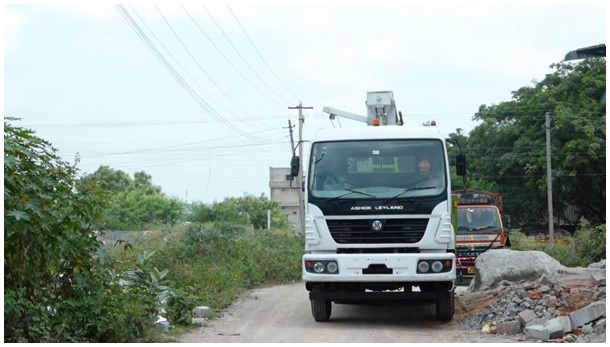
Construction projects require more than concrete, steel, and skilled labour. Before foundations are prepared or underground structures take shape, teams must understand ground conditions and create stable foundations. The right drilling equipment in construction helps contractors manage difficult terrain, improve accuracy, and keep project activities on schedule.
From commercial buildings to bridges, roads, and industrial facilities, drilling machinery supports several essential construction tasks. Understanding its applications and capabilities helps teams select equipment suited to their site requirements.
Preparing The Ground Before Construction
Every construction site presents different challenges. Soil may contain soft clay, gravel, fractured rock, or hard geological layers. Site investigation drilling allows engineers to collect samples and examine underground conditions before major work begins. This information supports foundation design, groundwater assessment, and early identification of potential ground-related risks.
Supporting Strong And Stable Foundations
Foundations transfer a structure’s weight to the ground. When surface soil cannot provide sufficient support, engineers may recommend deep foundations such as bored piles. Drilling rigs create holes according to the required depth and diameter.
Accurate drilling helps contractors follow approved designs. However, foundation quality also depends on borehole stability, reinforcement placement, concrete quality, and compliance with engineering specifications.
Choosing Equipment For Different Applications
Not every drilling task requires the same machinery. Site investigations, bored piling, anchor installation, and rock drilling involve different tools and operating methods. Rotary drilling systems may suit certain soil and foundation applications, while down-the-hole hammer systems can be effective in suitable hard-rock conditions.
When comparing drilling equipment manufacturers in India, contractors should review machine configurations, drilling methods, rated capacities, and compatibility with their intended applications.
Matching Capacity To Site Requirements
Important specifications include drilling depth, borehole diameter, torque, feed force, and rotation speed. Equipment with insufficient capacity may slow progress, while an oversized machine can increase transportation, fuel, and setup costs.
Contractors should compare technical specifications with geological reports, engineering drawings, and production targets. Actual performance also depends on ground conditions, operator experience, tooling, and maintenance.
Maintaining Safety During Operations
Drilling involves moving machinery, rotating components, hydraulic systems, and potentially unstable ground. Before work begins, teams should identify underground utilities, inspect the working platform, establish restricted areas, and ensure the machine is positioned securely.
Operator training, regular inspections, protective equipment, and clear communication help reduce workplace hazards. Safety procedures should reflect the drilling method and conditions at the site.
Controlling Environmental Disruption
Construction drilling may create dust, noise, and vibration, particularly near homes, offices, and public roads. Contractors should assess surrounding areas and introduce suitable controls, such as dust suppression, noise management, vibration monitoring, and restricted operating hours.
Planning these measures early can reduce disruption and help teams meet applicable environmental requirements.
Preventing Delays Through Maintenance
Unexpected equipment failures can interrupt foundation preparation and affect the wider construction schedule. Routine maintenance should cover hydraulic hoses, filters, lubrication points, drill rods, and other manufacturer-recommended components.
Buyers should also consider spare-parts availability, technical assistance, service intervals, and operator training. For used machinery, reviewing service records and inspecting component condition can help identify potential repair costs.
Conclusion
Drilling machinery supports construction from ground investigations to deep foundations and specialised site work. The right choice depends on geological conditions, project specifications, site access, safety, and operating costs. Comparing drilling equipment manufacturers in India can help contractors assess machine capabilities and technical support.
For businesses exploring construction and industrial machinery, Prime Rigs offers a starting point for reviewing equipment options. Matching machinery to actual project demands helps contractors make informed decisions and support reliable construction operations.