Understanding the Role of Melee Diamonds in Jewelry Creation
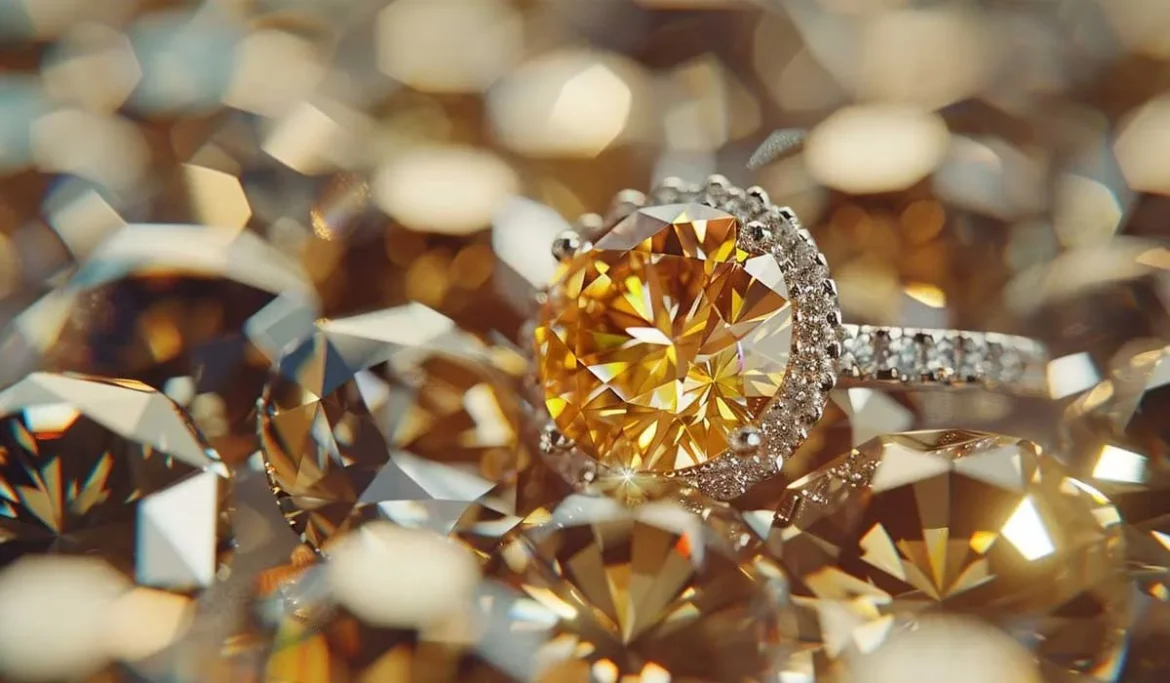
Melee diamonds are small diamonds, generally under 0.20 carats, that are widely used in the jewelry industry to enhance brilliance and add intricate detailing. While they are not typically used as center stones, they play a crucial role in elevating the overall appearance of rings, earrings, necklaces, and bracelets.
For both retail businesses and jewelry designers, melee diamonds are essential components that help create visually appealing and detailed designs. Their ability to reflect light collectively makes them a key element in modern jewelry craftsmanship.
Where Retailers and Designers Find Melee Diamonds
The demand for small diamonds has grown significantly due to their versatility and widespread use in both fashion and luxury jewelry. Retailers and designers often explore global suppliers, wholesale markets, and specialized manufacturers to source these stones.
When exploring Melee Diamonds for Sale, buyers typically evaluate suppliers based on consistency, pricing, and grading accuracy. Since these diamonds are purchased in large quantities, even minor differences in quality can impact the final appearance of jewelry pieces.
Understanding the available options helps retailers stock high-quality inventory, while designers can choose stones that align with specific creative requirements.
Wholesale Options for Retail Businesses
Retailers often rely on wholesale suppliers to maintain a steady supply of melee diamonds. Wholesale purchasing allows businesses to access bulk quantities at more competitive prices, which is essential for maintaining profit margins.
Wholesale options usually include different quality grades, sizes, and color ranges. Retailers must carefully select suppliers who provide consistent grading so that all diamonds in a batch match in appearance.
Reliable wholesale partners also offer flexibility in order sizes, enabling retailers to manage inventory efficiently based on market demand. This helps avoid overstocking or shortages, both of which can affect business performance.
Options for Jewelry Designers
Jewelry designers require more flexibility and precision when selecting melee diamonds. Unlike retailers who focus on inventory, designers prioritize aesthetics, design compatibility, and creative control.
Designers often choose melee diamonds based on specific project requirements. For example, pavé settings require extremely small and uniform stones, while halo designs may use slightly larger melee diamonds to enhance a center gemstone.
Customization is an important factor for designers. Many suppliers offer tailored options, allowing designers to select specific size ranges, color grades, and clarity levels. This ensures that the final design meets artistic and quality expectations.
Quality Considerations for Both Retail and Design Use
Quality is one of the most important factors when selecting melee diamonds. Whether for retail or design purposes, consistency in cut, color, and clarity determines the overall success of a jewelry piece.
Cut quality affects brilliance and sparkle. Well-cut melee diamonds reflect light evenly, creating a uniform shine when set together. Poor cuts can result in dull or uneven appearances.
Color consistency is equally important. Near-colorless diamonds are preferred because they blend seamlessly in group settings. Any variation in color can be noticeable in tightly set designs.
Clarity is another key factor, especially for high-end jewelry. Although inclusions are less visible in smaller stones, higher clarity grades contribute to a cleaner and more refined look.
Comparing Retail and Designer Requirements
While both retailers and designers use melee diamonds, their requirements differ significantly.
Retailers focus on bulk availability, pricing stability, and consistent inventory. Their goal is to ensure that products remain available for resale with uniform quality across collections.
Designers, on the other hand, prioritize precision, customization, and aesthetic control. They often work on limited or custom pieces where every detail matters, making flexibility in selection more important than bulk pricing.
Understanding these differences helps suppliers tailor their offerings to meet the needs of both markets effectively.
Pricing Factors in Melee Diamonds
Pricing for melee diamonds depends on several factors, including size, quality, quantity, and market conditions. Larger bulk purchases generally result in lower per-carat pricing, which benefits retailers.
Higher-quality diamonds with better cut, color, and clarity naturally cost more, but they also provide superior visual results. Designers often prioritize quality over cost, while retailers focus on balancing both.
Market demand and supply fluctuations also influence pricing. Buyers who understand these trends can make more strategic purchasing decisions and secure better deals.
Choosing the Right Supplier for Long-Term Success
Selecting the right supplier is essential for both retailers and designers. A reliable supplier ensures consistent quality, timely delivery, and transparent communication.
Retailers should prioritize suppliers who can maintain steady inventory levels, while designers should look for suppliers offering customization and flexibility.
Requesting sample parcels is a practical way to evaluate quality before making larger commitments. This helps ensure that the supplier meets expectations in terms of grading and consistency.
Strong supplier relationships often lead to better pricing, priority access to high-quality stones, and improved service over time.
Conclusion
Exploring melee diamonds for sale reveals a wide range of options for both retail businesses and jewelry designers. While retailers focus on bulk supply and pricing efficiency, designers prioritize precision and creative flexibility.
By understanding quality factors, supplier options, and market differences, buyers can make informed decisions that align with their goals. Whether used for commercial inventory or custom jewelry design, melee diamonds remain an essential component in creating elegant, high-quality pieces.