Every surveillance system depends on more than just cameras and recording devices. The way components are connected plays a major role in ensuring stable performance and uninterrupted video transmission. In CCTV setups, connectors are the critical link that binds cables, cameras, and recording equipment into a functional system.
Among the most widely used options in analog and HD-over-coax systems are coaxial-based connectors that ensure secure and reliable signal transfer. In many installations, high-quality cctv cable connectors are essential for maintaining consistent video quality and reducing connection failures over time.
What Are CCTV Cable Connectors?
CCTV cable connectors are specialized fittings used to join video cables with surveillance devices such as cameras, DVRs, and monitors. Their main function is to ensure a stable and uninterrupted transmission of video signals.
These connectors are designed to:
- Maintain strong physical connections
- Reduce signal loss and interference
- Support continuous video transmission
- Simplify installation and maintenance
In surveillance systems, even a small connector issue can result in poor video quality or complete signal failure.
Importance of Connectors in Security Systems
While cables carry the video signal, connectors ensure that the signal remains stable at every connection point. Without reliable connectors, even high-quality cables may underperform.
Proper connectors help:
- Prevent loose connections
- Reduce signal degradation
- Improve long-term system reliability
- Support consistent video clarity
They are especially important in large surveillance networks where multiple connection points exist.
Common Types of CCTV Cable Connectors
Different surveillance systems use different connector types depending on technology, installation requirements, and cable structure.
BNC Connectors
BNC connectors are the most widely used in analog and HD-over-coax CCTV systems. They use a twist-lock mechanism that ensures a secure connection.
They are commonly found in:
- Analog CCTV systems
- HD-TVI systems
- HD-CVI setups
- AHD surveillance networks
BNC connectors are valued for their durability and resistance to accidental disconnection.
RCA Connectors
RCA connectors are sometimes used in basic video transmission setups. While not as common in professional CCTV systems, they may still appear in simple or older installations.
They are easier to connect but less secure compared to BNC connectors.
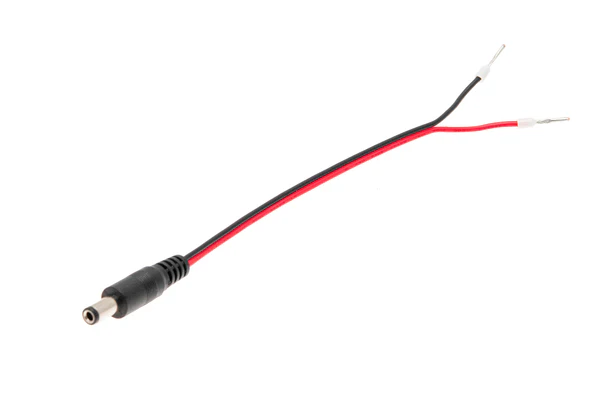
DC Power Connectors
CCTV systems require power in addition to video transmission. DC connectors are used to supply electricity to cameras.
These connectors ensure:
- Stable power delivery
- Simple plug-and-play installation
- Compatibility with standard CCTV power supplies
Power connectors are just as important as video connectors in maintaining system reliability.
F-Type Connectors
F-type connectors are commonly used in coaxial cable systems and may appear in certain CCTV installations, especially where coaxial infrastructure is shared.
They provide strong shielding and are suitable for longer cable runs in some configurations.
Functions of CCTV Cable Connectors
Each connector in a surveillance system performs a specific role that contributes to overall system performance.
Signal Transmission
The primary function of connectors is to ensure smooth transmission of video signals from cameras to recording devices without interruption.
Power Delivery
Power connectors supply electricity to CCTV cameras, ensuring continuous operation of the surveillance system.
System Stability
Secure connectors help maintain stable connections even in environments with vibration or movement, such as industrial sites or outdoor installations.
Easy Maintenance and Expansion
Connectors make it easier to replace or upgrade system components without rewiring the entire setup.
Factors That Affect Connector Performance
Several factors influence how well CCTV connectors perform over time.
Build Quality
High-quality materials improve durability and reduce the risk of corrosion or damage.
Installation Accuracy
Poorly installed connectors can cause:
- Video flickering
- Signal loss
- Intermittent connection issues
Environmental Conditions
Outdoor connectors must withstand:
- Rain and moisture
- Temperature changes
- Dust and dirt exposure
Cable Compatibility
Using mismatched connectors and cables can lead to poor signal transmission and reduced system efficiency.
Best Practices for Installing CCTV Connectors
Proper installation ensures long-lasting and reliable performance.
Use Proper Crimping Tools
Correct tools help secure connectors tightly onto cables, reducing the risk of loose connections.
Avoid Cable Damage
Care should be taken not to damage the inner conductor or shielding during installation.
Secure All Connection Points
Loose connections can lead to unstable video signals and system failures.
Test Before Final Setup
Each connection should be tested to ensure proper video and power transmission before completing installation.
Why Connectors Are Critical in CCTV Systems
Connectors may seem like small components, but they play a major role in the performance of the entire surveillance system.
They ensure:
- Continuous video feed
- Reliable power supply
- Reduced maintenance issues
- Long-term system stability
Without proper connectors, even advanced surveillance systems can experience frequent technical problems.
Conclusion
CCTV cable connectors are essential components that ensure the proper functioning of any security system. From transmitting video signals to supplying power, they play a vital role in maintaining system reliability and performance.
Understanding different connector types and their functions helps in building more stable and efficient surveillance setups. With proper selection and installation, CCTV systems can deliver consistent and high-quality monitoring across a wide range of environments.