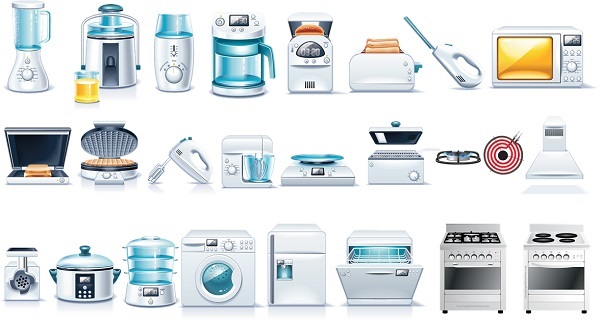
The global small appliance industry is undergoing rapid transformation as new technologies, shifting consumer lifestyles, and expanding e-commerce channels reshape demand patterns. While established manufacturers continue to dominate many markets, a growing number of emerging players are gaining attention by offering innovative, cost-effective, and design-focused solutions. These new entrants are helping redefine expectations in kitchens, homes, and personal care product categories.
In this evolving landscape, competition is no longer limited to long-established companies. Many buyers and distributors are now exploring new small appliance brands that combine modern design, scalable production, and flexible supply chain capabilities to meet global demand.
The Rise of New Entrants in the Industry
Emerging brands are benefiting from lower barriers to entry in manufacturing and global trade. Advances in production technology, improved logistics networks, and digital marketplaces have made it easier for new companies to enter international markets.
Key factors driving this rise include:
- Expansion of global e-commerce platforms
- Increased outsourcing and OEM manufacturing models
- Growing demand for affordable household appliances
- Faster product development cycles
These conditions allow newer brands to compete with established manufacturers more effectively than in the past.
Characteristics of Emerging Small Appliance Brands
New brands in the small appliance sector often differentiate themselves through flexibility, innovation, and competitive pricing. Unlike traditional manufacturers that may rely on long-standing product lines, emerging companies tend to be more adaptive.
Common characteristics include:
- Focus on modern and compact product designs
- Rapid adoption of smart and digital technologies
- Flexible production and customization options
- Strong emphasis on online retail channels
This adaptability helps them respond quickly to changing consumer preferences.
Innovation as a Key Growth Strategy
Innovation is one of the most important tools used by emerging brands to gain market share. By introducing new features and improved usability, they are able to attract attention in highly competitive categories.
Popular innovation areas include:
- Smart connectivity and app-controlled appliances
- Energy-efficient and eco-friendly technologies
- Multi-function devices that reduce space usage
- Simplified user interfaces for better accessibility
These innovations allow new brands to compete directly with established industry leaders.
Role of E-commerce in Brand Growth
E-commerce has played a significant role in the rise of emerging appliance brands. Online platforms provide direct access to global customers without requiring extensive physical retail networks.
Benefits of e-commerce for new brands include:
- Lower distribution and marketing costs
- Direct feedback from consumers
- Faster product visibility and market entry
- Ability to test and scale products quickly
This digital-first approach has allowed many new companies to grow rapidly in international markets.
Challenges Faced by Emerging Brands
Despite their growth, new entrants in the small appliance industry face several challenges. Competing with established manufacturers requires overcoming barriers related to trust, scale, and distribution.
Common challenges include:
- Limited brand recognition in global markets
- Difficulty in building long-term customer trust
- High competition from established brands
- Complex international compliance requirements
To succeed, emerging brands must focus on quality consistency and strong customer engagement.
Importance of Manufacturing Partnerships
Many emerging brands rely on external manufacturing partnerships to bring their products to market. This allows them to focus on design, branding, and distribution while leveraging existing production infrastructure.
Key advantages of this model include:
- Reduced initial investment in manufacturing facilities
- Access to experienced production systems
- Faster product development cycles
- Scalability for global demand
This approach helps new brands compete more effectively in a crowded industry.
Changing Consumer Preferences
Modern consumers are more open to trying new brands, especially when products offer better design, lower prices, or improved functionality. This shift in behavior has created opportunities for emerging companies to gain traction.
Consumer preferences are increasingly driven by:
- Value for money and affordability
- Smart and convenient features
- Stylish and compact product designs
- Positive online reviews and social proof
These trends continue to support the growth of new entrants in the market.
Conclusion
The global small appliance industry is becoming more dynamic as emerging brands introduce new ideas, technologies, and business models. While established companies still hold strong market positions, newer players are steadily gaining recognition through innovation, flexibility, and digital-first strategies. As competition continues to evolve, emerging small appliance brands will play an increasingly important role in shaping the future of household appliances worldwide.