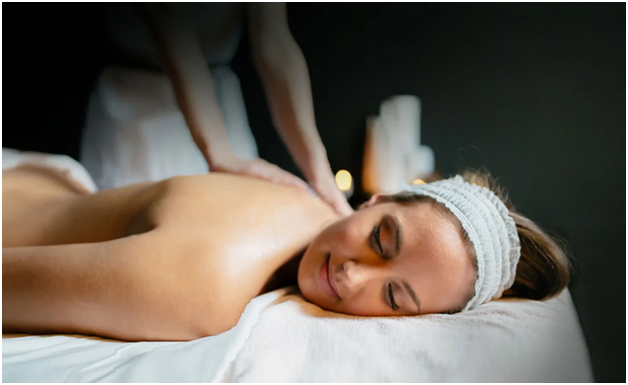
Luxury hospitality is no longer defined solely by elegant interiors, premium dining, or exceptional accommodation. Modern travellers increasingly expect experiences that support their comfort, relaxation, and overall well-being. A hotel massage service in Dubai is one example of how hospitality providers can respond to these changing expectations by offering convenient and personalised wellness experiences. Rather than treating relaxation as an additional luxury, hotels are recognising it as an important part of guest satisfaction.
As travel schedules become busier and professional commitments continue to influence people’s lifestyles, the demand for individualised wellness options is growing. Guests want services that recognise their preferences, accommodate their schedules, and provide an opportunity to disconnect from everyday pressures. This shift is encouraging the hospitality industry to rethink how wellness can become a meaningful part of the guest journey.
Changing Guest Expectations in Luxury Hospitality
Today’s travellers often look beyond traditional accommodation facilities when choosing a hotel. They value experiences that make their stay comfortable, convenient, and memorable. Wellness services have therefore become an important consideration, particularly among guests who want to maintain their personal routines while travelling.
Personalised treatments help hotels address these expectations by considering individual preferences instead of offering identical experiences to everyone. Some guests may prefer gentle relaxation techniques, while others may look for treatments that focus on muscle tension after long flights or physically demanding activities.
This approach allows hospitality providers to create more thoughtful experiences. When guests feel that their comfort and preferences are being considered, they are more likely to develop a positive impression of the establishment.
Why Personalisation Matters in Wellness Treatments
Every individual has different relaxation requirements. Factors such as lifestyle, physical activity, travel fatigue, and personal comfort influence the type of treatment someone may prefer. A personalised wellness experience recognises these differences and adapts the session accordingly.
Understanding Individual Preferences
Before beginning a treatment, understanding a guest’s expectations can make a considerable difference. Some individuals may prefer a quiet environment with minimal conversation, while others might appreciate guidance about different massage techniques.
Discussing pressure preferences, areas of discomfort, treatment duration, and personal requirements helps therapists provide a more suitable experience. Guests should also be encouraged to communicate any medical concerns or physical limitations before their session.
Creating Comfortable and Flexible Experiences
Convenience is another important element of personalised hospitality. Travellers may have limited time between meetings, sightseeing activities, and other commitments. Flexible appointment arrangements and accessible wellness services can make relaxation easier to incorporate into their schedules.
For hotels, offering thoughtfully organised treatments can improve the overall guest experience without requiring visitors to make additional travel arrangements.
The Role of Different Massage Techniques in Modern Wellness
An effective wellness offering should provide options that accommodate different preferences. Massage techniques vary in their approach, intensity, and intended experience, making it important for guests to understand what each treatment involves.
For instance, Swedish massage generally uses flowing movements and moderate pressure, making it a popular choice for relaxation. Deep tissue techniques involve firmer pressure and may appeal to individuals seeking focused attention on areas of muscular tension. Aromatherapy treatments incorporate essential oils to create a calming sensory experience, while traditional Thai massage uses stretching and pressure-based techniques.
A professional body massage spa can help guests understand these options and select an experience that aligns with their comfort levels and expectations.
However, personalisation should always prioritise safety. Therapists should consider relevant health conditions, injuries, sensitivities, and other concerns before recommending a treatment. Individuals with specific medical requirements should consult an appropriate healthcare professional before booking certain massage services.
How Wellness Services Enhance the Luxury Travel Experience
Travel can be physically and mentally demanding. Long flights, unfamiliar surroundings, busy itineraries, and changes in daily routines can leave visitors feeling exhausted. Wellness services offer an opportunity to slow down and dedicate time to personal comfort.
Convenience Without Compromising Comfort
Accessibility plays an important role in modern hospitality. Guests who can arrange relaxation treatments through convenient hotel-based services may find it easier to balance their schedules.
This is particularly valuable for business travellers who may have limited opportunities to explore wellness facilities outside their accommodation. Having suitable services available during their stay can help them make better use of their personal time.
Supporting Guest Satisfaction and Loyalty
A memorable hotel experience often comes from details that demonstrate genuine attention to guest needs. Personalised wellness options can contribute to this impression by providing something beyond standard accommodation facilities.
When hotels understand their visitors’ preferences and deliver consistent service, they create opportunities for stronger guest relationships. Such experiences can influence reviews, recommendations, and future booking decisions.
The Future of Personalised Wellness in Luxury Hospitality
Personalisation is likely to remain an important part of the hospitality industry’s development. As travellers become more conscious of their well-being, hotels may increasingly explore ways to integrate relaxation, fitness, spa experiences, and other wellness facilities into their service offerings.
Technology can also contribute to this evolution. Digital booking systems, preference-based recommendations, and convenient appointment management can make it easier for guests to access services that match their requirements.
However, technology cannot replace the human element of wellness. Professional attention, thoughtful communication, and an understanding of individual comfort remain essential. The most successful hospitality experiences will combine convenient service arrangements with genuine personal care.
Conclusion
Personalised wellness treatments are becoming an important part of luxury hospitality because they address a growing expectation among travellers: the ability to enjoy comfort and relaxation alongside quality accommodation. From flexible appointments to treatment options suited to individual preferences, these experiences can make hotel stays more meaningful and satisfying.
Choosing a suitable hotel massage service Dubai can help travellers incorporate relaxation into demanding schedules while enjoying greater convenience during their stay. For guests seeking professional attention and a range of wellness experiences, Summer Pearl Spa offers massage and spa services, including Thai, Swedish, deep tissue, oil, and hotel massage services. Its focus on individual customer preferences makes it a relevant option for visitors looking to include personalised relaxation in their Dubai experience.