Choosing a specialist for your child is one of the most important decisions you will ever make as a parent. When the concern revolves around neurological symptoms or conditions that require hematology and oncology support, the choice becomes even more critical. These areas of child health demand precision, experience, and a gentle, child-centered approach.
This blog walks you through the key points to consider before selecting a specialist. From understanding qualifications and facilities to evaluating communication styles and long-term support, each section is designed to help you make informed, confident decisions that prioritise your child’s comfort and well-being.
Understanding Why the Right Specialist Matters
Neurological conditions and blood-related disorders can affect major aspects of a child’s development from movement and cognitive abilities to immunity and overall growth. Early evaluation from the right expert ensures faster diagnosis, reduces complications, and improves long-term outcomes.
Parents often feel overwhelmed when symptoms appear. Delayed milestones, persistent headaches, unusual movements, fatigue, recurrent infections, or unexplained bruising can be deeply unsettling. But choosing the right specialist can turn uncertainty into clarity, offering a structured care plan and emotional reassurance.
1: The Specialist’s Qualifications & Experience
Your first step is to understand the doctor’s background. Children’s neurological and hematological needs are highly specialized and require advanced training.
Look for:
- Board-certified pediatric neurologists or hematologists
- Years of experience dedicated to treating children only
- Exposure to rare and complex pediatric cases
- Advanced fellowships or international training
For neurological concerns, seeking someone recognized as the best pediatric neurologist doctor in Vijayawada ensures that your child receives care rooted in expertise, precision, and proven clinical judgment.
2: The Hospital’s Child-Friendly Environment
A specialist’s expertise matters but so does the environment in which your child receives treatment. Children respond better when clinics feel safe, gentle, and comforting. A good pediatric hospital creates an atmosphere that reduces anxiety and supports cooperation.
Key elements to look for:
- Bright, welcoming spaces
- Child-focused communication
- Nurses trained specifically in pediatric care
- Play areas or distraction tools
- Good hygiene and safety protocols
The right environment not only helps your child relax but also makes diagnosis easier because children feel comfortable expressing themselves.
3: Availability of Advanced Diagnostic Tools
Neurological and hematology-related conditions often require detailed investigations. The hospital must have access to high-quality diagnostic equipment and child-appropriate technology.
Important diagnostic capabilities:
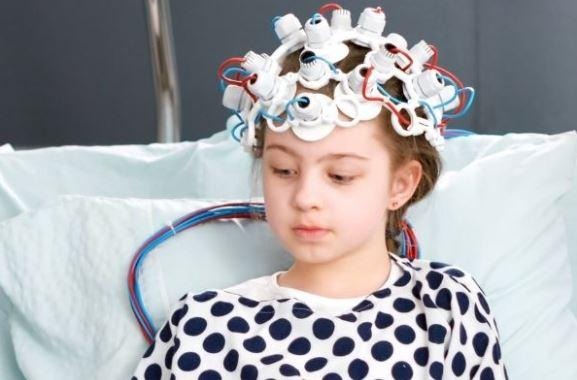
- Pediatric EEG and MRI
- CT scans optimized for children
- Nerve conduction and developmental assessments
- Pediatric-specific lab testing
- Bone marrow examination facilities (for hematology)
Choosing a center with these tools ensures faster, safer, and more accurate evaluations especially for concerns that need immediate clarity. For blood disorders or oncology needs, choosing hematology oncology specialists with extensive pediatric experience can make a significant difference in outcomes.
4: Communication Style and Parent Involvement
One of the most overlooked factors is how well the doctor communicates. Pediatric specialists must not only be knowledgeable but also empathetic, patient, and transparent.
Ask yourself:
- Does the doctor explain things clearly?
- Are your questions answered without a rush?
- Does the specialist involve you in decisions?
- Are treatment plans discussed in simple language?
A supportive doctor helps parents feel empowered, not overwhelmed. This is particularly important when you are under stress due to unfamiliar symptoms or diagnoses.
5: Emergency & Long-Term Support
Neurological and hematology-related conditions sometimes require long-term follow-up or sudden emergency care. Parents should choose a hospital that ensures accessibility and continuity.
Ensure the hospital offers:
- 24/7 pediatric emergency support
- Round-the-clock neurologists or hematologists on call
- Long-term monitoring and periodic assessments
- Coordinated care between departments
When the need arises, you should feel confident that your child will receive immediate and appropriate care without delays.
6: Reputation, Reviews, and Recommendations
Reviews from other parents can offer valuable insights into the specialist’s approach and success rate. While no review can replace a medical decision, collective feedback often reveals patterns such as kindness, patience, clarity, or child-friendliness.
Things to look for:
- Feedback on diagnosis accuracy
- Experiences of children with similar symptoms
- Doctor’s attitude and communication
- Hospital cleanliness and staff behaviour
A specialist recognized among the Best Pediatric Neurologists in Vijayawada usually has strong community trust backed by consistent positive outcomes.
7: A Multi-Disciplinary Approach
Some conditions overlap across multiple systems, neurology, hematology, developmental health, or immunology. A hospital that offers access to multiple pediatric departments ensures all aspects of your child’s condition are considered.
Benefits of a multi-specialist environment:
- Faster diagnosis
- Collaborative treatment planning
- Reduced need for external referrals
- Better monitoring across systems
This is particularly important when symptoms are complex or unclear.
8: Treatment Methods and Technology
Modern pediatric care relies heavily on updated treatment approaches. Outdated methods can slow recovery or increase discomfort. Ensure the hospital uses current, evidence-based practices.
Look for:
- Updated therapeutic technologies
- Minimally invasive procedures
- Child-friendly sedation options
- Personalized treatment plans
- Rehabilitation or therapy support for neurological concerns
The quality of treatment tools directly affects the speed and safety of recovery.
9: Comfort and Trust – Your Intuition Matters
Beyond qualifications and facilities, your instinct as a parent plays an essential role. If something doesn’t feel right whether it’s the doctor’s attitude, the hospital’s environment, or the way concerns are addressed, it’s completely acceptable to seek a second opinion.
A child’s emotional comfort is just as important as physical care.
10: Accessibility and Convenience for Follow-Ups
Follow-up visits are common in neurological and hematology care. Choose a hospital that’s easy to reach, offers flexible scheduling, and maintains well-coordinated appointment systems. Long travel distances or complicated booking processes can add unnecessary stress to your child’s journey.
Conclusion
Selecting the right specialist for your child’s neurological or hematology needs involves thoughtful consideration of qualifications, environment, diagnostic tools, communication, and long-term support. These decisions shape the care journey and influence how confidently you can navigate your child’s health concerns.
For parents looking for a trusted pediatric care center that excels across these essential points, Ankura Hospitals offers a comprehensive, child-focused approach designed to support families every step of the way.