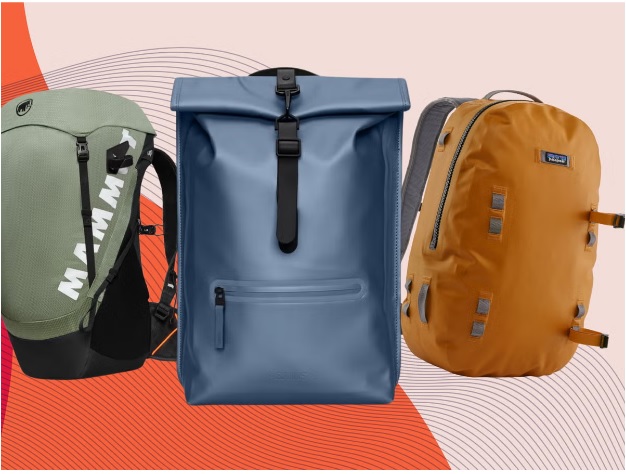
Rainy commutes can make carrying school essentials more challenging, especially when books, notebooks, lunch boxes, and electronic items need protection from moisture. A suitable backpack can help keep everyday belongings dry while remaining comfortable enough for regular travel. For families searching for backpacks for kids, water resistance is an important feature to consider alongside size, comfort, durability, and organization. A well-designed school backpack can provide practical protection during unexpected showers without becoming unnecessarily heavy. Understanding materials, closures, compartments, straps, and maintenance can make it easier to select a backpack that works well for school days, walks, and other daily activities.
Why Water Resistance Matters for School Backpacks
Rain can reach a backpack from several directions during a commute. Water may fall directly onto the fabric, splash upward from wet roads, or enter through exposed zippers and openings. A water-resistant backpack helps reduce the chance of moisture reaching school supplies and personal belongings.
Water resistance is especially useful for school-age children because daily commutes can involve walking between home, school, buses, cars, and after-school activities. A backpack made with a moisture-resistant exterior provides an additional layer of protection when weather conditions change unexpectedly.
Water-Resistant vs. Waterproof Backpacks
The terms water-resistant and waterproof describe different levels of protection. Water-resistant materials can repel light rain and brief exposure to moisture, while waterproof construction is designed to provide stronger protection against prolonged or heavier rainfall.
Many backpacks for kids are water-resistant rather than completely waterproof. This level of protection may be suitable for normal school commutes where rain is occasional or moderate. However, seams, zippers, and openings can still allow water to enter during heavy rain.
A waterproof cover can provide additional protection when a backpack must remain outside in severe weather. Understanding the difference helps set realistic expectations about how much moisture a particular backpack can handle.
Important Backpack Materials for Rainy Weather
Material selection plays an important role in water protection. Polyester and nylon are commonly used for school backpacks because both can offer durability while remaining relatively lightweight. Some designs include water-repellent coatings that help droplets roll away from the surface.
Coated fabrics can provide better protection than untreated materials, particularly during short periods of rain. However, coating quality and construction can vary. A strong outer material combined with reinforced stitching can improve overall durability.
The inside lining also matters. A moisture-resistant lining can provide extra protection if small amounts of water pass through the outer fabric. For school use, a combination of durable exterior material and practical internal organization can provide a useful balance.
Zippers and Closures Matter
A water-resistant fabric cannot provide complete protection if the backpack has poorly protected openings. Zippers are common entry points for rain, particularly when positioned on the upper surface of a backpack.
Covered or water-resistant zippers can reduce moisture exposure. Flap-over closures may also provide additional protection around openings. For rainy commutes, designs that limit direct exposure around the main compartment are generally more practical.
Small pockets should also receive attention. A front pocket may become wet more quickly than the main compartment if it has an exposed zipper. Important papers, electronics, and other moisture-sensitive items can be placed deeper inside the backpack when rain is expected.
Size and Organization for School Essentials
A backpack should provide enough room for everyday school supplies without becoming excessively large. Oversized bags can encourage unnecessary packing and add extra weight during a daily commute.
Separate compartments can make organization easier. A main compartment can hold books and folders, while smaller sections can accommodate stationery, lunch items, water bottles, or personal accessories. A dedicated padded compartment may offer additional protection for tablets or other devices.
For backpacks for kids, simple organization can be particularly helpful. Clearly separated spaces allow school supplies to remain accessible and reduce the need to search through a crowded main compartment.
Comfort Should Not Be Overlooked
Rain protection is only one part of a suitable school backpack. Comfort is equally important because a backpack may be carried for extended periods during school days and commutes.
Padded shoulder straps can reduce pressure around the shoulders, while a padded back panel can improve comfort. Adjustable straps allow the backpack to sit more securely against the body. A lightweight design can also help prevent the bag itself from contributing unnecessary weight.
A comfortable backpack should remain balanced when filled. Unevenly distributed books or supplies can make carrying more difficult, especially during longer walks.
Reflective Details for Rainy Commutes
Rainy weather often creates darker and less visible conditions, particularly during early mornings or late afternoons. Reflective strips, panels, or logos can improve the visibility of a backpack when light from vehicles or street lamps reaches the reflective material.
Visibility features do not replace proper road safety practices, but they can provide an additional visual element during commutes. For children walking near roads or waiting for transportation, reflective detailing can be a useful feature to consider.
How to Protect Backpack Contents During Heavy Rain
Even a water-resistant backpack may need additional protection during intense rainfall. Books and notebooks can be placed inside reusable waterproof pouches or plastic document sleeves. Electronic devices can be stored in protective cases before being placed inside the backpack.
A separate rain cover can provide another layer of protection. Covers are particularly useful when heavy rain is expected or when a backpack must remain exposed outdoors for an extended period.
Avoiding overfilled compartments can also help maintain the intended shape and closure of the backpack. Excessive stretching around zippers and seams may create additional areas where moisture can enter.
Maintenance Tips for a Water-Resistant Backpack
Regular maintenance can help preserve a backpack’s appearance and protective qualities. Dirt and dust should be removed according to the manufacturer’s cleaning instructions. Harsh cleaning products may damage certain coatings or finishes.
After exposure to rain, the backpack should be allowed to dry completely before being stored. Leaving moisture trapped inside can create unpleasant odors and may contribute to fabric deterioration over time.
Zippers should also remain free from dirt and debris. Damaged seams, broken closures, or worn coatings should be addressed early because small problems can reduce moisture protection.
Practical Features Worth Considering
Several additional features can make a school backpack more practical for rainy commutes. A sturdy top handle allows easy carrying when the backpack needs to be lifted quickly. Side pockets can provide convenient storage for water bottles, although open mesh pockets offer little protection from rain.
A reinforced bottom can help protect the bag when placed on wet sidewalks, floors, or other damp surfaces. Strong stitching and durable hardware can also improve longevity when the backpack is used regularly.
The best combination of features depends on the daily commute, school requirements, weather conditions, and amount of equipment carried.
Making Rainy School Days Easier with the Right Backpack
A water-resistant backpack can make rainy school commutes more manageable by reducing moisture exposure and keeping everyday essentials organized. Material quality, zipper design, compartments, comfort, reflective details, and maintenance all contribute to practical performance. For families comparing backpacks for kids, focusing on everyday needs rather than appearance alone can lead to a more useful choice. A backpack does not need to be completely waterproof to provide meaningful protection during light or moderate rain, but additional precautions such as waterproof pouches and rain covers can help during heavier weather.
Bachaa Party: Practical Backpacks for Everyday School Life
Bachaa Party offers a practical destination for families looking for school essentials designed around everyday needs. Backpack selection can include attention to comfort, size, organization, durability, and suitability for school routines. For rainy commutes, features such as water-resistant materials and secure closures can add useful protection for books and personal belongings. A suitable backpack can support organized travel while making daily school routines more convenient. Bachaa Party provides access to children-focused products in one place, making it easier to explore options for different ages, school requirements, and everyday activities.