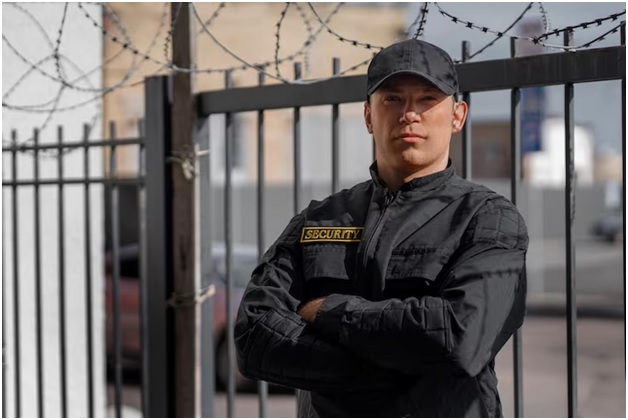
When most people think about security guards working through the night, they often imagine someone sitting behind a desk watching security cameras. While monitoring surveillance systems is certainly part of the job, the reality is far more involved. Professional security personnel perform a wide range of tasks that help protect people, property, and assets while most of the city is asleep.
Businesses, residential buildings, construction sites, warehouses, and events often rely on reliable overnight security services to maintain safety during the hours when risks such as theft, vandalism, and unauthorised access are more likely to occur. Understanding what these guards actually do during a shift provides valuable insight into the important role they play in modern security operations.
Starting the Shift: Briefings and Site Checks
Every overnight shift begins with preparation. Security guards typically receive a handover from the previous team or review reports from earlier shifts. This allows them to understand any incidents, concerns, or unusual activity that occurred during the day.
Once briefed, guards often conduct an initial inspection of the property. This involves checking entrances, exits, gates, fences, alarm systems, and other security measures. The purpose is to identify any issues before the night progresses and to ensure the site is secure from the outset.
A thorough opening inspection can help prevent small problems from becoming larger security concerns later in the shift.
Conducting Regular Patrols
One of the most important responsibilities during the night is carrying out patrols. These patrols may be completed on foot, by vehicle, or through a combination of both, depending on the size and nature of the site.
Regular patrols help security personnel:
- Identify suspicious activity
- Detect signs of forced entry
- Check for safety hazards
- Ensure doors and windows remain secure
- Monitor restricted areas
- Deter potential intruders
Visible patrols are often one of the most effective deterrents against criminal activity. Individuals considering trespassing or theft are far less likely to target a property when they know security personnel are actively monitoring the area.
Monitoring CCTV and Security Systems
Technology plays a major role in modern security operations. Throughout the shift, guards frequently monitor CCTV cameras, alarm systems, access control systems, and other security equipment.
This monitoring allows security teams to identify unusual activity quickly and respond before situations escalate. Whether it’s detecting an unauthorised person entering a restricted area or investigating an alarm activation, surveillance systems provide valuable real-time information.
However, technology alone is not enough. Human observation and judgement remain essential when assessing potential threats and deciding on the appropriate response.
Controlling Access to the Property
Many sites require controlled access throughout the night. Security guards may be responsible for verifying the identity of employees, contractors, delivery personnel, or authorised visitors who need entry outside normal business hours.
Access control duties often include:
- Checking identification
- Recording visitor details
- Issuing temporary passes
- Managing vehicle access
- Monitoring entry and exit points
By carefully controlling who enters and leaves a property, guards help reduce the risk of unauthorised access and improve overall site security.
Responding to Incidents and Emergencies
No two nights are exactly the same. Security guards must be prepared to respond quickly when incidents occur.
Common situations may include:
- Alarm activations
- Suspicious individuals on-site
- Fire alarms
- Medical emergencies
- Property damage
- Equipment failures
In these situations, guards follow established procedures designed to protect people and minimise risk. Depending on the circumstances, they may contact emergency services, assist with evacuations, provide first aid, or secure affected areas until further help arrives.
A calm and professional response can make a significant difference during emergencies.
Protecting Valuable Assets
Many businesses store valuable equipment, stock, documents, or machinery on-site overnight. Warehouses, retail premises, construction sites, and office buildings can all become targets for theft when they are unoccupied.
Professional guards help protect these assets through continuous observation and preventative measures. Organisations that invest in dedicated overnight security often do so because they recognise the financial and operational impact that theft or damage can cause.
By maintaining a visible presence and responding quickly to suspicious activity, security personnel help reduce these risks significantly.
Recording Activities and Maintaining Reports
Documentation is a crucial part of every shift. Security guards are responsible for maintaining accurate records of their activities, observations, and any incidents that occur during the night.
Typical reports may include:
- Patrol logs
- Visitor records
- Incident reports
- Equipment checks
- Alarm responses
- Maintenance concerns
These records provide valuable information for property owners, managers, and future security teams. They also create an audit trail that can be useful during investigations or insurance claims.
Supporting Health and Safety
Security personnel often contribute to more than just crime prevention. During their patrols, they may identify health and safety issues that require attention.
Examples include:
- Water leaks
- Fire hazards
- Damaged fencing
- Faulty lighting
- Unsafe equipment
- Blocked emergency exits
Reporting these issues promptly helps maintain a safer environment for employees, residents, visitors, and contractors.
Maintaining a Visible Security Presence
One of the simplest yet most effective aspects of overnight security work is visibility. The presence of a trained security guard can discourage criminal behaviour before it begins.
Potential offenders often prefer easy targets. A site with active patrols, visible uniforms, and professional security procedures presents a much higher risk to anyone considering unlawful activity.
This preventative role is often overlooked, yet it remains one of the most valuable functions security guards perform.
Conclusion
Overnight security guards do far more than simply watch monitors or sit at reception desks. Their responsibilities include conducting patrols, monitoring surveillance systems, controlling access, responding to emergencies, protecting valuable assets, and maintaining detailed records.
While much of their work happens when most people are asleep, their role is essential in keeping properties secure and operations running smoothly. Through vigilance, professionalism, and rapid response, overnight security personnel help reduce risks and provide peace of mind to businesses, property owners, and communities alike.