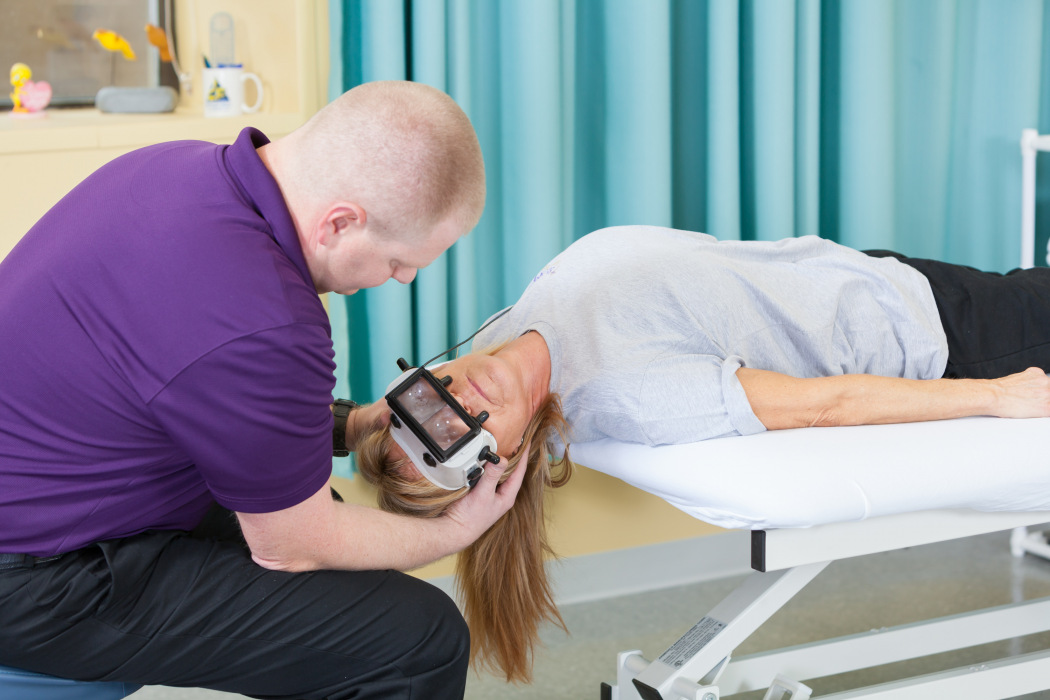
Vestibular physiotherapy is a specialized form of rehabilitation designed to help individuals who suffer from dizziness, vertigo, and balance disorders. These conditions can significantly affect daily life, making simple activities such as walking, driving, or even standing still challenging. Vestibular physiotherapy focuses on retraining the brain and inner ear system to improve balance and reduce symptoms.
The vestibular system, located in the inner ear, plays a crucial role in maintaining balance and spatial orientation. When this system is disrupted due to injury, infection, aging, or neurological conditions, it can lead to persistent dizziness and instability. Many patients seek professional care such as Vestibular Physio to manage symptoms effectively and regain confidence in movement.
Understanding the Vestibular System
The vestibular system consists of structures in the inner ear that send signals to the brain about head movement, motion, and spatial orientation. These signals help the body maintain balance and coordinate eye movements.
When the vestibular system is functioning properly, a person can move smoothly without feeling off-balance. However, when it is impaired, the brain receives conflicting signals, leading to dizziness, vertigo, nausea, and disorientation.
Common conditions affecting the vestibular system include benign paroxysmal positional vertigo (BPPV), vestibular neuritis, labyrinthitis, and age-related balance decline.
What Is Vestibular Physiotherapy?
Vestibular physiotherapy is a targeted rehabilitation approach that helps the brain adapt to changes in the vestibular system. It uses specific exercises and techniques to improve balance, reduce dizziness, and enhance overall stability.
Unlike general physiotherapy, vestibular rehabilitation focuses on retraining the body’s balance system through controlled movements and sensory exercises. The goal is to help the brain compensate for inner ear dysfunction.
Treatment plans are personalized based on the patient’s condition, symptoms, and severity of imbalance.
Common Symptoms Treated by Vestibular Physiotherapy
Vestibular physiotherapy is highly effective in treating a range of symptoms related to balance disorders. One of the most common symptoms is vertigo, which is the sensation that the surroundings are spinning or moving.
Dizziness and lightheadedness are also frequently treated. These symptoms can occur suddenly and may be triggered by head movements or changes in position.
Balance problems are another major concern. Patients may feel unsteady while walking or standing, increasing the risk of falls.
Other symptoms include nausea, visual disturbances, and difficulty focusing, especially during movement.
Causes of Vestibular Disorders
Vestibular disorders can arise from various causes. One of the most common is BPPV, which occurs when small calcium particles in the inner ear become dislodged and affect balance signals.
Inner ear infections such as vestibular neuritis or labyrinthitis can also disrupt balance function and cause severe dizziness.
Head injuries or concussions may damage the vestibular system, leading to long-term balance issues.
Age-related degeneration is another common cause, as the vestibular system naturally becomes less efficient over time.
Certain neurological conditions and medications can also affect balance and spatial awareness.
Techniques Used in Vestibular Physiotherapy
Vestibular physiotherapists use a variety of techniques to treat balance disorders. One of the most common methods is habituation exercises, which help the brain become less sensitive to motion triggers that cause dizziness.
Gaze stabilization exercises are also widely used. These exercises improve control of eye movements during head motion, reducing visual disturbances and dizziness.
Balance training exercises help improve stability and coordination. Patients practice standing and walking in different positions to strengthen their balance system.
Canalith repositioning techniques are used specifically for BPPV. These involve guided head movements to reposition displaced particles in the inner ear.
In addition, walking and mobility training help patients regain confidence in daily activities.
Benefits of Vestibular Physiotherapy
Vestibular physiotherapy offers significant benefits for individuals suffering from balance disorders. One of the primary benefits is reduced dizziness and vertigo symptoms, allowing patients to perform daily activities more comfortably.
Improved balance and stability is another major advantage. Patients experience better coordination and reduced risk of falls.
It also enhances quality of life by restoring confidence in movement and reducing anxiety related to dizziness episodes.
Vestibular rehabilitation can also improve visual focus during movement, making activities such as reading or driving easier.
Additionally, it supports long-term recovery by helping the brain adapt and compensate for vestibular system dysfunction.
What to Expect During Vestibular Physiotherapy
A vestibular physiotherapy session typically begins with a detailed assessment. The therapist evaluates symptoms, medical history, and balance function to determine the underlying cause of dizziness.
Based on the assessment, a personalized treatment plan is created. This plan includes specific exercises tailored to the patient’s condition.
During sessions, patients are guided through controlled movements designed to challenge and retrain the balance system.
Some exercises may initially cause mild dizziness, but this is a normal part of the adaptation process.
Over time, symptoms gradually reduce as the brain learns to compensate for vestibular dysfunction.
Importance of Early Treatment
Early intervention is important in vestibular disorders. Delaying treatment can lead to prolonged symptoms, increased risk of falls, and reduced quality of life.
Early vestibular physiotherapy helps speed up recovery and prevents symptoms from becoming chronic.
It also reduces anxiety associated with dizziness and improves overall functional independence.
Timely treatment ensures better long-term outcomes and faster return to normal activities.
Conclusion
Vestibular physiotherapy is an effective and evidence-based approach for managing dizziness, vertigo, and balance disorders. By focusing on retraining the brain and improving coordination, it helps individuals regain stability and confidence in movement.
Through specialized exercises and personalized treatment plans, patients can experience significant improvement in symptoms and overall quality of life. Vestibular rehabilitation plays a vital role in restoring balance and supporting long-term neurological and physical health.