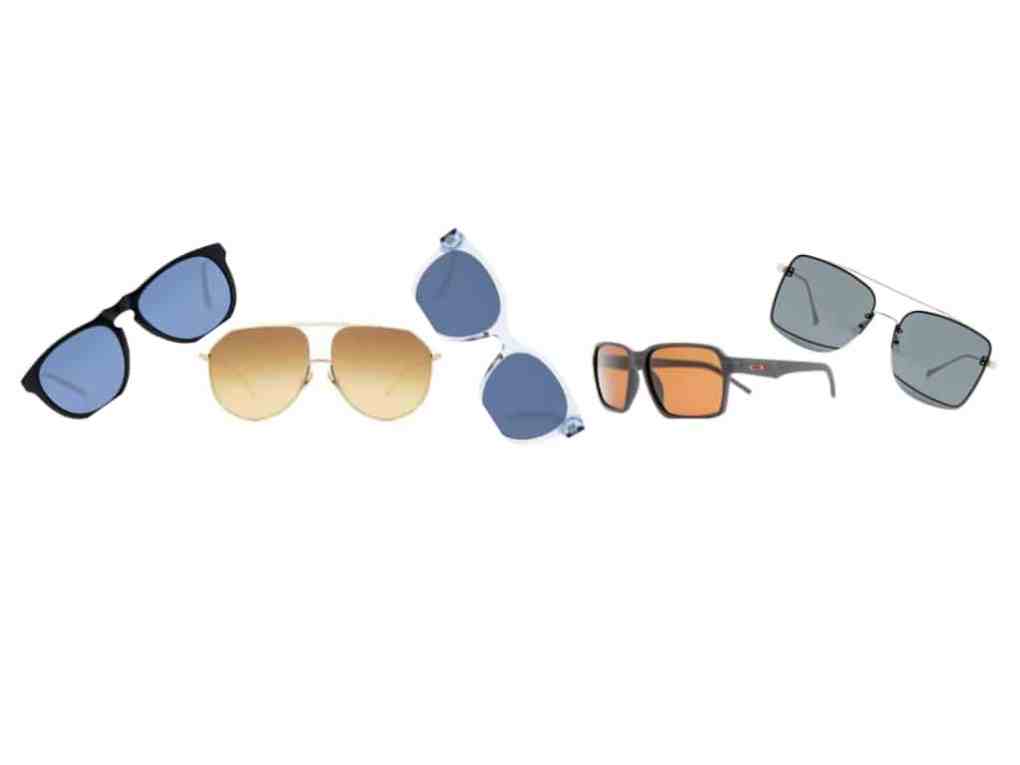
China has emerged as a dominant force in the global sunglasses industry, not only due to its large-scale production capabilities but also because of the efficiency of its supply chain. Effective supply chain management allows manufacturers to deliver high-quality products on time while keeping costs competitive. From sourcing raw materials to delivering finished products to international markets, Chinese sunglasses manufacturers have developed sophisticated systems that optimize operations and ensure reliability. Understanding the factors that contribute to their supply chain efficiency provides insight into why China remains a preferred hub for global eyewear brands.
China Sunglasses Manufacturers leverage integrated supply chain systems that connect material suppliers, production facilities, logistics providers, and distributors. By streamlining these processes, manufacturers can respond quickly to changes in demand, minimize delays, and reduce costs associated with inventory and transportation. This level of coordination is especially crucial in the sunglasses industry, where fashion trends, seasonal demand, and technological innovations require fast and flexible production and distribution strategies.
Integrated Supplier Networks
A key element of supply chain efficiency is the integration of supplier networks. Sunglasses production requires a diverse range of materials, including acetate, polycarbonate, metals, specialized lenses, coatings, and hardware components. Many manufacturers in China operate within industrial clusters, particularly in regions such as Guangdong and Zhejiang, where suppliers of raw materials and components are located nearby.
This geographic concentration reduces lead times for material delivery and enables real-time coordination with suppliers. Manufacturers can quickly replace or adjust orders for critical components if needed. Close collaboration with trusted suppliers ensures that quality standards are consistently met and reduces the risk of production delays caused by material shortages.
Inventory Management and Just-in-Time Production
Efficient inventory management is another crucial factor in the supply chain. China-based sunglasses manufacturers often implement just-in-time (JIT) production systems, maintaining minimal inventory while ensuring that components are available as needed. This approach reduces storage costs, minimizes waste, and allows factories to adapt quickly to fluctuations in demand.
Inventory management systems track stock levels of raw materials, work-in-progress items, and finished products. By leveraging real-time data, manufacturers can forecast demand accurately and schedule production accordingly. This results in faster order fulfillment and ensures that international clients receive their products on time, even during peak seasons.
Advanced Manufacturing and Automation
The integration of advanced manufacturing technologies enhances supply chain efficiency by accelerating production and maintaining consistent quality. Automated injection molding machines, CNC cutting systems, robotic assembly lines, and lens coating equipment enable large-scale production with minimal manual intervention.
Automation reduces production errors, shortens lead times, and ensures that output meets precise specifications. When combined with real-time monitoring systems, manufacturers can detect bottlenecks or quality issues immediately, making adjustments without disrupting the overall production schedule.
Streamlined Logistics and Distribution
Efficient logistics are essential to delivering sunglasses to global markets quickly and reliably. China has developed a comprehensive transportation infrastructure, including ports, railways, highways, and air cargo networks, that facilitates fast and cost-effective shipping. Many manufacturers work closely with freight forwarders and third-party logistics providers to manage international shipments and ensure compliance with customs regulations.
By optimizing shipping routes, consolidating shipments, and selecting appropriate transport methods, manufacturers can balance speed and cost. Large-scale production allows for bulk shipments, which reduce per-unit transportation costs and improve overall supply chain efficiency.
Quality Assurance Throughout the Supply Chain
Maintaining consistent quality across the supply chain is critical for sunglasses manufacturers. Suppliers are regularly audited to ensure that raw materials meet the required standards, and production processes incorporate in-process quality checks. Final inspections verify the durability, optical performance, and aesthetic appeal of each pair of sunglasses before shipping.
Integrating quality control into every stage of the supply chain reduces the likelihood of defects reaching customers and minimizes the need for costly rework or returns. This systematic approach also supports compliance with international safety and environmental regulations.
Flexibility and Responsiveness
Supply chain efficiency in China is further enhanced by the flexibility and responsiveness of manufacturers. Sunglasses production often experiences seasonal peaks, such as in spring and summer, when demand is highest. Chinese factories can scale production up or down quickly thanks to modular production lines, skilled labor, and strong supplier networks.
In addition, manufacturers can accommodate customization requests, such as private labeling, lens tint variations, and frame modifications, without significantly disrupting the supply chain. This ability to balance volume production with flexibility ensures that global clients can meet market demands effectively.
Technological Integration and Data Management
Digital tools play a vital role in supply chain efficiency. Enterprise Resource Planning (ERP) systems, inventory management software, and automated tracking solutions allow manufacturers to coordinate all aspects of production and distribution. Real-time data collection enables proactive decision-making, predictive maintenance, and efficient scheduling, reducing downtime and improving overall productivity.
Data-driven insights also facilitate collaboration between manufacturers, suppliers, and logistics partners, creating a transparent and responsive supply chain ecosystem.
Conclusion
The supply chain efficiency of sunglasses manufacturers in China is a result of integrated supplier networks, advanced manufacturing technologies, effective inventory management, streamlined logistics, and strong quality control practices. By combining scale, technology, and flexibility, China-based manufacturers can deliver high-quality sunglasses quickly and cost-effectively to international markets. This efficiency not only strengthens China’s position as a global eyewear hub but also allows brands to respond to market trends and consumer demands with agility, reliability, and confidence.