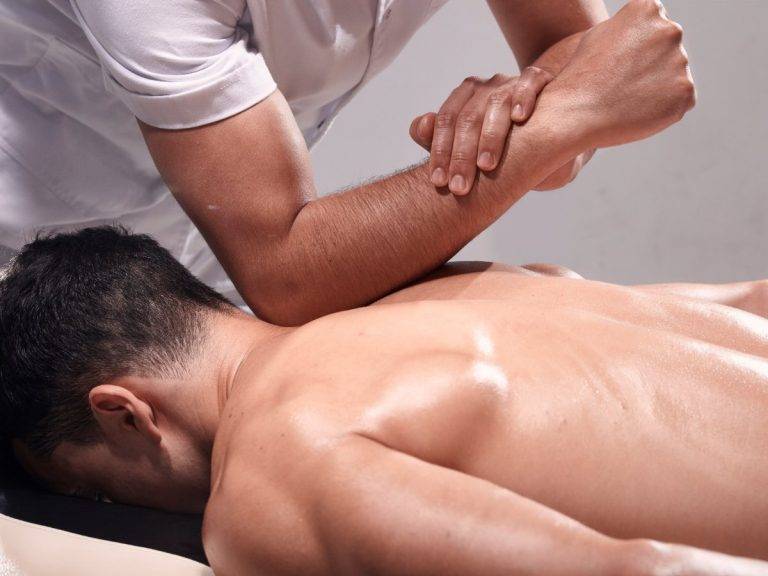
Sports massage is a specialized form of physical therapy designed to support athletes and active individuals in maintaining optimal muscle performance, preventing injuries, and speeding up recovery. Unlike traditional relaxation massage, sports massage focuses on targeting specific muscle groups that are stressed through repetitive movement, training, or physical activity. It is widely used by professional athletes, gym enthusiasts, and individuals with physically demanding routines.
The growing awareness of physical wellness and injury prevention has made sports massage an essential part of many fitness routines. It helps improve blood circulation, reduce muscle tension, and enhance flexibility, allowing the body to perform better under physical stress. Many individuals seek professional therapy such as Sports Massage to support recovery, improve mobility, and reduce the risk of long-term injuries associated with intense physical activity.
What Is Sports Massage?
Sports massage is a therapeutic technique that focuses on treating soft tissue areas of the body, particularly muscles, tendons, and ligaments. It is designed to address issues caused by physical strain, overuse, or repetitive movements.
This type of massage is commonly used before or after physical activity. Pre-event massage helps prepare muscles for performance by increasing blood flow and flexibility, while post-event massage aids recovery by reducing soreness and muscle stiffness. Sports massage can also be used during training periods to maintain muscle health and prevent injury buildup.
Unlike general massage therapy, sports massage is more targeted and often involves deeper pressure techniques to reach specific muscle layers that are heavily engaged during physical activity.
Key Benefits of Sports Massage
One of the main benefits of sports massage is improved circulation. Better blood flow helps deliver oxygen and nutrients to muscles more efficiently, which enhances performance and speeds up recovery.
Another important benefit is injury prevention. Regular sports massage helps identify tight or overworked muscles before they develop into serious injuries. By releasing tension and improving flexibility, it reduces the likelihood of strains and sprains.
Sports massage also helps reduce muscle soreness after intense workouts. This is especially beneficial for athletes who train frequently or participate in high-intensity sports. It supports faster recovery, allowing individuals to return to training sooner with less discomfort.
Additionally, it can improve mental relaxation and reduce stress, which is important for overall athletic performance and focus.
Common Techniques Used in Sports Massage
Sports massage involves several techniques that are selected based on the athlete’s needs and physical condition. One commonly used method is deep tissue pressure, which targets deeper layers of muscle to release chronic tension and knots.
Another technique is effleurage, which involves long, flowing strokes that help warm up muscles and improve circulation. This is often used at the beginning or end of a session.
Petrissage is another technique that involves kneading and squeezing muscles to improve flexibility and reduce stiffness. This technique is particularly effective for large muscle groups such as the legs and back.
Trigger point therapy is also commonly used to address specific areas of tightness or pain within a muscle. By applying focused pressure, therapists help release tension and restore normal muscle function.
Role of Sports Massage in Recovery
Recovery is one of the most important aspects of any fitness or athletic program, and sports massage plays a key role in this process. After intense physical activity, muscles often develop micro-tears and inflammation, leading to soreness and reduced mobility.
Sports massage helps speed up the recovery process by increasing blood flow and removing metabolic waste from the muscles. This reduces inflammation and promotes faster healing of muscle tissues.
It also helps restore flexibility and range of motion, which can be affected after strenuous exercise. Regular massage sessions can significantly improve recovery time and reduce the risk of overtraining injuries.
For athletes, incorporating sports massage into a recovery routine can lead to more consistent performance and better long-term physical health.
Who Can Benefit from Sports Massage?
Sports massage is not limited to professional athletes. It is beneficial for anyone who engages in regular physical activity, including gym-goers, runners, cyclists, and fitness enthusiasts.
Individuals with physically demanding jobs can also benefit from sports massage, as it helps reduce muscle fatigue and prevent work-related strain injuries.
Even beginners in fitness programs can use sports massage to support their body as it adapts to new levels of physical activity. It helps ease soreness and improves overall comfort during the early stages of training.
Choosing the Right Sports Massage Therapist
Selecting a qualified therapist is essential for achieving the best results from sports massage. A trained professional understands muscle anatomy, injury patterns, and appropriate pressure techniques for different conditions.
Experience is an important factor when choosing a therapist. Those with a background in sports therapy or physiotherapy are often better equipped to handle complex muscle issues.
Communication is also important. A good therapist should be able to understand your physical concerns and tailor the massage session according to your needs and activity level.
It is also helpful to choose a clinic that offers a comfortable and well-equipped environment to ensure a positive experience.
Conclusion
Sports massage is a valuable tool for anyone engaged in physical activity, offering benefits such as improved circulation, injury prevention, faster recovery, and enhanced performance. By targeting specific muscle groups and addressing physical stress, it supports both short-term relief and long-term physical health. Whether for professional athletes or active individuals, incorporating sports massage into a regular routine can significantly improve overall well-being and physical performance.