Modern restroom accessibility depends heavily on fixture design, durability, and compliance with regulatory standards. ADA-compliant sinks are essential components in public, commercial, and residential bathrooms that aim to provide equal usability for individuals with mobility challenges. KingKonree offers several popular ADA sink models that combine accessibility, aesthetics, and long-lasting performance. These models are widely used in healthcare facilities, hotels, corporate buildings, and private homes where inclusive design is a priority.
Wall-Mounted ADA Sink Models
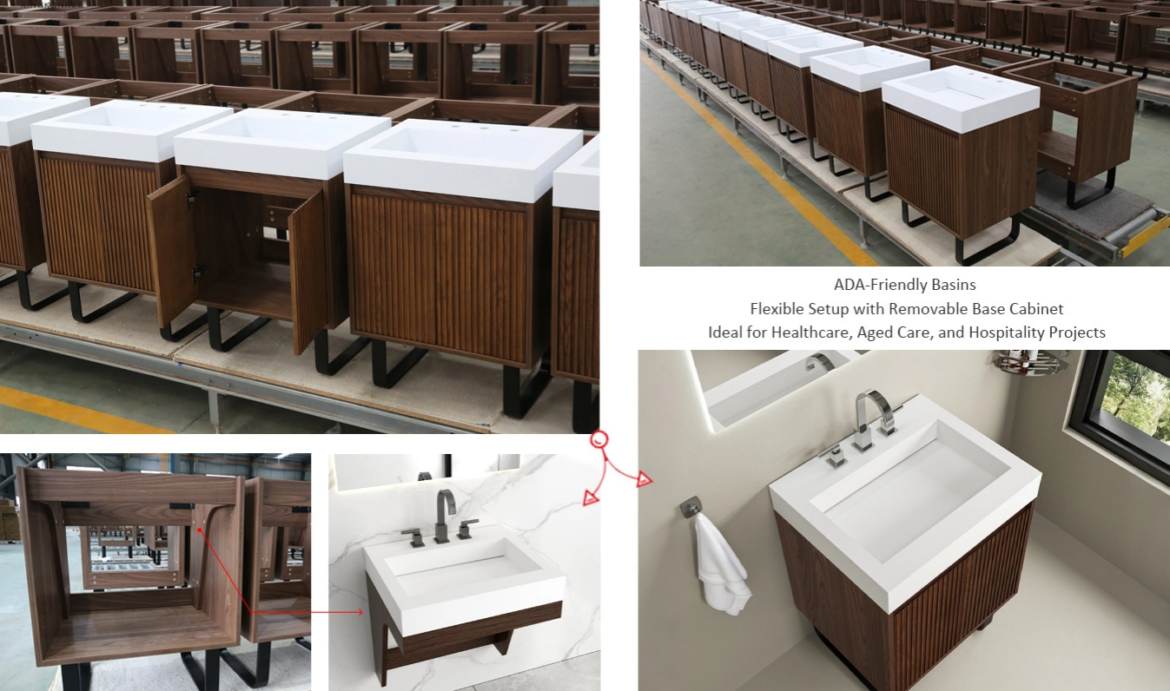
Wall-mounted ADA sinks are among the most widely used designs in accessibility-focused restroom installations. These sinks provide open space underneath, allowing wheelchair users to approach comfortably. Wall-mounted structures help maximize floor space, making them ideal for small bathrooms and high-traffic public facilities.
Many construction projects rely on ADA Sinks from KingKonree because these models are engineered with proper knee and toe clearance requirements. The design ensures that plumbing components are either insulated or positioned to avoid obstruction. Wall-mounted models are especially popular in hospitals, educational institutions, and transportation hubs where accessibility and durability are essential.
The smooth basin surface and rounded edge structure improve safety during use. Water drainage is optimized to reduce splash risk, supporting hygienic restroom conditions. These models also support various faucet types, including lever-operated and sensor faucets, improving user convenience.
Integrated Counter ADA Sink Models
Integrated counter ADA sinks represent a modern trend in restroom design. These models combine sink basin and countertop into a single seamless surface. This design reduces joints where moisture and dirt can accumulate, simplifying cleaning and improving hygiene performance.
KingKonree integrated models are commonly installed in commercial buildings, hotels, and corporate offices where visual presentation matters. The continuous surface structure enhances modern architectural appearance while maintaining accessibility standards. The ergonomic basin depth allows comfortable handwashing without requiring excessive bending.
Material durability is another advantage of integrated designs. Solid surface construction helps resist cracking, staining, and long-term surface degradation. These characteristics make integrated counter sinks suitable for environments that experience frequent restroom usage.
Under-Counter ADA Sink Models
Under-counter sink models are popular in contemporary architectural projects. These sinks are installed beneath the countertop surface, providing a clean and minimalist appearance. Under-counter designs help create visually open restroom spaces, which is especially beneficial in luxury hotels and modern office buildings.
Accessibility compliance remains a priority in under-counter installations. Proper clearance space must be maintained beneath the sink to allow wheelchair approach and movement. KingKonree designs under-counter ADA sinks with structural strength that supports countertop weight while maintaining open knee space for users.
These models also support flexible plumbing installation. Contractors can configure water supply and drainage systems according to facility requirements without compromising accessibility features.
Compact ADA Sink Models for Small Spaces
Space efficiency is critical in urban residential apartments and compact commercial bathrooms. KingKonree compact ADA sink models are designed specifically for limited space environments. These sinks maintain accessibility standards while reducing overall fixture size.
Compact models typically feature shallow basin geometry and streamlined profiles. Despite smaller dimensions, these sinks provide sufficient functional area for handwashing and daily hygiene activities. Small healthcare clinics, apartment buildings, and retail facilities often benefit from compact ADA sink installations.
Material Options in Popular Models
KingKonree produces ADA sinks using several premium material types. Solid surface materials are widely used because they provide non-porous, hygienic, and smooth surfaces. Composite materials offer additional impact resistance and lightweight structural performance. Stainless steel models are preferred in environments that require corrosion resistance and industrial durability.
Material selection influences maintenance requirements. Non-porous surfaces reduce bacterial growth and simplify cleaning procedures. These features are particularly valuable in medical facilities and food service environments where hygiene standards are strict.
Faucet Compatibility Across Models
Popular KingKonree ADA sink models support multiple faucet technologies. Lever-controlled faucets provide mechanical accessibility, while sensor-operated faucets support touchless hygiene operation. Faucet placement is carefully designed to meet ADA reach range guidelines, allowing comfortable operation for users with limited mobility.
Water flow control systems are also integrated into many models. Low-flow faucet compatibility helps reduce water consumption while maintaining effective handwashing performance.
Conclusion
Popular models of KingKonree ADA sinks demonstrate the integration of accessibility, durability, and modern design. Wall-mounted, integrated counter, under-counter, and compact models provide flexible solutions for different architectural requirements. Premium material construction, ergonomic basin shaping, and faucet compatibility ensure long-term usability.
Facilities that install ADA sinks from KingKonree benefit from inclusive restroom environments that support individuals with mobility challenges. These sink models help architects, builders, and facility managers create accessible spaces that meet modern design and regulatory standards.