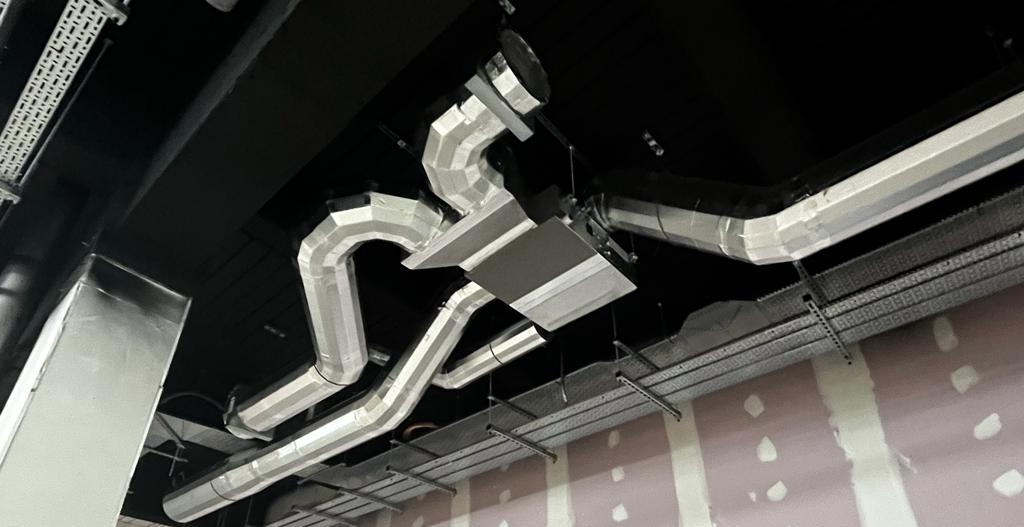
Efficient and properly installed ductwork is critical for optimal performance in HVAC systems. Among the available options, pre-insulated ductwork has become a preferred choice due to its superior thermal performance, reduced installation time, and consistent quality. Unlike traditional ducts that require on-site insulation, pre-insulated systems come with insulation already applied, simplifying the process and minimizing the risk of energy loss or errors during installation.
Pre-insulated ductwork not only improves energy efficiency but also provides enhanced noise control and moisture resistance. Using high-quality products like Pre Insulated Ductwork ensures durability, consistent insulation thickness, and reliable performance, making the installation process smoother and more efficient for contractors and building managers alike.
Preparing for Installation
Before beginning the installation of pre-insulated ductwork, proper planning is essential. Start by reviewing the HVAC design plans to determine the layout, dimensions, and type of ducts required. Identify the locations of supply and return vents, as well as any branches or transitions that may be needed.
It is also important to ensure that the installation area is clean and accessible. Remove any obstructions, debris, or sharp objects that could damage the ducts during installation. Verify that the tools, supports, and fasteners required for the installation are readily available. Proper preparation reduces errors and ensures a more efficient installation process.
Handling and Storage
Pre-insulated ductwork should be handled carefully to prevent damage to the insulation or protective outer layer. Avoid dragging the ducts across rough surfaces, dropping them, or exposing them to excessive moisture during storage. Store ducts in a dry, flat area and keep them covered if they will be stored for an extended period.
Proper handling and storage are critical to maintaining the integrity of the insulation, which directly affects the thermal performance and longevity of the HVAC system.
Step-by-Step Installation Process
1. Measuring and Cutting
Accurate measurements are crucial for proper fitting and alignment. Measure the required duct lengths according to the HVAC plans. If cutting is necessary, use appropriate tools that ensure clean, straight cuts without damaging the insulation or outer protective layer. Maintaining precise measurements minimizes gaps and ensures optimal system performance.
2. Assembling Sections
Pre-insulated ducts typically come in modular sections that can be connected using factory-designed joints, flanges, or adhesive tapes. Align the sections carefully to maintain airtight connections. Ensure that the insulation layers meet correctly at all joints to prevent thermal bridging or air leakage. For complex layouts, use transition pieces or custom-fabricated sections to maintain a continuous airflow path.
3. Securing Ducts
Support and secure the ducts according to the manufacturer’s guidelines and local building codes. Use appropriate hangers, brackets, or supports to maintain proper alignment and prevent sagging. Correct support placement prevents stress on the duct connections and ensures long-term structural stability.
4. Sealing Joints
Even with pre-insulated ductwork, sealing joints is critical for maintaining energy efficiency. Use approved sealants, tapes, or gaskets to close any gaps or seams. Proper sealing prevents air leakage, maintains insulation performance, and ensures consistent airflow throughout the system.
5. Installing Accessories
Install necessary accessories such as dampers, vents, and access panels as specified in the HVAC design. Ensure that all components are correctly integrated into the duct system and do not compromise the insulation or airflow. Proper installation of accessories contributes to overall system efficiency and ease of maintenance.
Testing and Inspection
After installation, conduct a thorough inspection of the entire ductwork system. Check for proper alignment, secure joints, and consistent insulation coverage. Perform pressure and airflow tests to verify that the system operates according to design specifications. Identifying and addressing issues early ensures optimal performance and reduces the risk of costly adjustments later.
Safety Considerations
During installation, prioritize safety by using personal protective equipment, including gloves, safety glasses, and masks to protect against dust or insulation fibers. Follow all local safety regulations and manufacturer guidelines to prevent injuries and maintain a safe work environment.
Maintenance and Long-Term Care
Once installed, pre-insulated ductwork requires minimal maintenance but should still be checked periodically. Inspect for damage to the insulation or protective outer layer, ensure supports remain secure, and verify that seals and joints are intact. Regular maintenance helps maintain energy efficiency, prolongs the life of the ducts, and reduces the likelihood of system issues.
Conclusion
Installing pre-insulated ductwork is a streamlined and efficient process that offers significant benefits for HVAC systems, including improved energy efficiency, noise reduction, and moisture control. Proper planning, careful handling, accurate assembly, and thorough inspection are key to achieving optimal performance and longevity.
By following best practices for installation and maintenance, contractors and building managers can ensure that pre-insulated ductwork delivers reliable, consistent performance for years to come. Investing in quality materials and adhering to proper installation procedures maximizes system efficiency, reduces operational costs, and contributes to a sustainable, comfortable indoor environment.