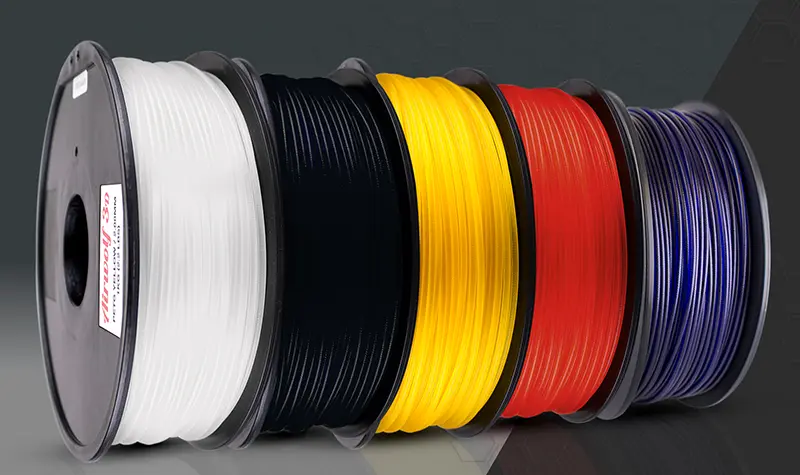
Selecting the right material is one of the most important decisions in 3D printing. The quality, durability, and functionality of a printed object depend heavily on the type of 3D printing filament used. With many options available, understanding their differences helps ensure better results and fewer printing issues.
Among modern materials, 3D printing filament such as PLA, ABS, PETG, and TPU offers distinct performance characteristics suited to different applications. Choosing correctly depends on your project’s requirements for strength, flexibility, heat resistance, and ease of printing.
Understand Your Project Requirements
Before selecting a filament, it is essential to clearly define what your project needs. Different applications require different material properties.
Key Questions to Consider
- Will the part be decorative or functional?
- Does it need to withstand heat or stress?
- Is flexibility required?
- Will it be used indoors or outdoors?
Answering these questions helps narrow down the best filament choice.
Common Types of 3D Printing Filament
Each filament type offers unique advantages and limitations.
PLA (Polylactic Acid)
PLA is the most beginner-friendly filament and is widely used for basic printing.
- Easy to print
- Low warping
- Biodegradable material
- Best for visual models and prototypes
However, it has low heat resistance and limited durability for functional parts.
ABS (Acrylonitrile Butadiene Styrene)
ABS is a strong engineering-grade filament used in industrial applications.
- High strength and impact resistance
- Good heat resistance
- Suitable for mechanical parts
- Requires controlled printing environment
It can be more difficult to print due to warping and odor.
PETG (Polyethylene Terephthalate Glycol)
PETG offers a balance between strength, flexibility, and ease of use.
- Strong and durable
- Slight flexibility reduces breakage
- Resistant to moisture and chemicals
- Easier to print than ABS
It is commonly used for functional parts and outdoor applications.
TPU (Thermoplastic Polyurethane)
TPU is a flexible filament used for rubber-like components.
- Highly flexible and elastic
- Resistant to abrasion
- Used for soft, bendable parts
- Requires slower print speeds
Match Filament to Project Type
Choosing the right filament depends on how the final part will be used.
1. Decorative Models
For visual prototypes and models:
- PLA is the best option
- Smooth finish and easy printing
- Ideal for hobby and educational use
2. Functional Parts
For mechanical or load-bearing components:
- PETG is a strong all-round choice
- ABS is better for high-strength applications
- Provides durability and impact resistance
3. Flexible Components
For parts that need bending or elasticity:
- TPU is the ideal material
- Used for seals, grips, and protective cases
4. Outdoor Applications
For exposure to weather and moisture:
- PETG performs well due to chemical and moisture resistance
- ABS also offers durability but requires controlled printing
Important Factors When Choosing Filament
Strength and Durability
If your project requires mechanical strength, PETG and ABS are better choices than PLA.
Temperature Resistance
- PLA: Low resistance
- PETG: Moderate resistance
- ABS: High resistance
Ease of Printing
- PLA: Easiest
- PETG: Moderate
- ABS: Advanced setup required
Surface Finish
- PLA: Smooth matte finish
- PETG: Glossy finish
- ABS: Can be post-processed easily
Common Mistakes to Avoid
Many printing issues occur due to incorrect filament selection.
- Using PLA for heat-exposed parts
- Choosing ABS without proper printer setup
- Ignoring flexibility requirements
- Overlooking environmental exposure
Selecting the right material from the start saves time and reduces failed prints.
Tips for Better Filament Selection
To improve your results:
- Always test small prototypes first
- Match filament properties with real-world use
- Consider printer capabilities before choosing material
- Adjust print settings for each filament type
These steps help ensure consistent and high-quality prints.
Conclusion
Choosing the right 3D printing filament is essential for achieving successful results in any project. Each material—PLA, ABS, PETG, and TPU—offers unique benefits suited to specific applications.
By understanding your project requirements and material properties, you can select the most suitable filament and improve both performance and print quality. PETG, in particular, stands out as a versatile option that balances strength, flexibility, and ease of use for a wide range of applications.