Sustainable energy projects rely heavily on accurate monitoring of solar irradiance to optimize energy production, reduce waste, and enhance efficiency. Solar radiation sensors are vital tools in this process, providing real-time data on sunlight intensity, duration, and quality. By accurately measuring solar energy, these sensors enable engineers, researchers, and project managers to design and operate renewable energy systems more effectively, ensuring maximum energy output while minimizing environmental impact.
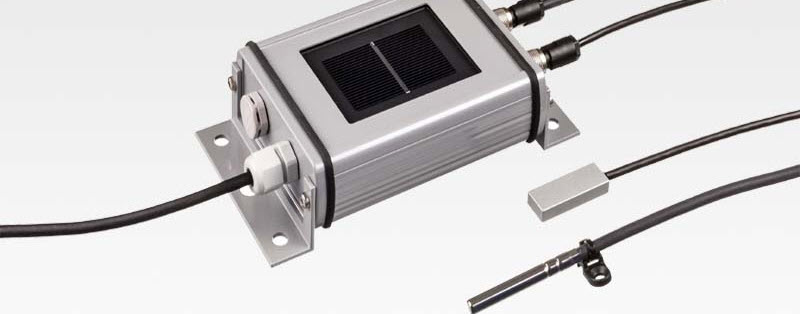
A Solar Radiation Sensor is designed to measure the amount of solar energy received at a specific location and convert it into measurable electrical signals. This information is crucial for optimizing solar panel placement, tracking system efficiency, and predicting energy generation. In sustainable energy projects, precise measurements from these sensors help reduce reliance on nonrenewable energy sources, lower greenhouse gas emissions, and support the transition toward cleaner, more efficient energy systems.
Optimizing Solar Panel Efficiency
One of the primary ways solar radiation sensors support sustainable energy projects is by optimizing the performance of solar panels. By continuously monitoring sunlight intensity and angle, these sensors provide data that helps determine the optimal orientation and tilt of photovoltaic panels.
For large-scale solar farms, this data can guide automated solar tracking systems, which adjust the panels’ position throughout the day to maximize energy capture. Optimizing panel performance not only increases energy production but also reduces the need for additional infrastructure, conserving resources and lowering costs. Improved efficiency ensures that renewable energy projects are both economically viable and environmentally sustainable.
Energy Forecasting and Planning
Solar radiation sensors also play a critical role in energy forecasting. Accurate irradiance data allows energy managers to predict daily, weekly, or seasonal solar power output. These forecasts help balance energy supply with demand, reducing reliance on fossil fuel-based backup systems.
For grid-connected solar projects, precise forecasting prevents energy shortages and ensures that renewable energy can reliably meet consumer needs. In off-grid applications, such as remote communities or industrial sites, data from solar radiation sensors supports energy storage planning and load management, making renewable energy systems more reliable and sustainable.
Supporting Environmental Monitoring
In addition to optimizing energy production, solar radiation sensors contribute to broader environmental monitoring efforts. By tracking solar irradiance over time, these sensors provide valuable information for studying climate patterns, UV exposure, and the health of ecosystems.
This data can inform sustainable project planning, ensuring that solar installations do not negatively impact local flora and fauna. It also supports compliance with environmental regulations and sustainability standards, helping organizations implement projects that align with ecological preservation goals.
Enhancing Research and Development
Sustainable energy projects benefit from continuous research and development, and solar radiation sensors are essential for this work. Researchers use these sensors to test new solar panel materials, evaluate the effectiveness of energy storage systems, and design innovative solar tracking mechanisms.
The high-resolution data provided by modern sensors allows for precise analysis of solar energy performance under different weather conditions, seasons, and geographic locations. This research helps improve the efficiency, durability, and sustainability of solar technologies, driving continuous advancements in renewable energy systems.
Integration with Smart Energy Systems
Modern solar radiation sensors often feature digital outputs, wireless connectivity, and compatibility with energy management platforms. This integration allows for real-time monitoring, automated decision-making, and predictive maintenance.
For example, data from these sensors can trigger adjustments in energy storage systems, optimize solar tracker movements, or manage energy distribution to meet demand efficiently. Integrating sensor data into smart grids and automated control systems maximizes the contribution of renewable energy to the power mix, reducing dependence on fossil fuels and supporting sustainable energy goals.
Cost Efficiency and Resource Conservation
By providing precise measurements and enabling optimization of solar systems, solar radiation sensors contribute to cost efficiency and resource conservation. Optimized panel placement reduces the number of panels needed, minimizes land use, and lowers material and installation costs.
Improved forecasting and energy management reduce reliance on backup power from nonrenewable sources, conserving fuel and reducing emissions. In addition, sensors help identify underperforming panels or shading issues, allowing for timely maintenance and ensuring consistent energy production.
Promoting Long-Term Sustainability
Solar radiation sensors are a key component of sustainable energy infrastructure. They provide the data needed to maximize efficiency, reduce environmental impact, and support informed decision-making in renewable energy projects. By enabling precise monitoring, forecasting, and optimization, these sensors help ensure that solar energy systems deliver reliable, clean, and cost-effective power over the long term.
Conclusion
Solar radiation sensors are indispensable tools in sustainable energy projects, offering real-time data that enhances energy efficiency, supports environmental monitoring, and drives research and innovation. Their ability to optimize solar panel performance, improve energy forecasting, and integrate with smart systems makes them essential for reducing reliance on fossil fuels and advancing renewable energy adoption. By leveraging the capabilities of solar radiation sensors, sustainable energy projects can achieve higher efficiency, lower costs, and a positive environmental impact, supporting a cleaner, more resilient energy future.