A leaking tap may seem minor, but it can waste hundreds of liters of water each year, increase your utility bills, and even cause damage to your sink or surrounding areas if left untreated. Addressing the problem promptly not only conserves water but also prevents more serious plumbing issues from developing.
A leaking tap repair involves identifying the source of the leak, replacing faulty components, and ensuring proper installation and sealing. Understanding the causes, methods of repair, and preventive measures is crucial for homeowners seeking to maintain an efficient and functional plumbing system.
Common Causes of Tap Leaks
Tap leaks can originate from various sources, and determining the root cause is essential for effective repair. Some common causes include:
1. Worn-Out Washers
The washer inside the tap regulates the flow of water. Over time, frequent use can cause the washer to wear down, crack, or become stiff, resulting in drips or continuous water flow.
2. Faulty O-Rings
O-rings are rubber seals used to prevent water from escaping at joints and connections. A damaged or worn O-ring can lead to leaks around the base of the tap.
3. Corroded Valve Seats
The valve seat connects the tap to the spout and controls water flow. Corrosion from minerals in water can create gaps, causing water to leak.
4. Loose or Damaged Components
Frequent use, improper installation, or accidental impact can loosen tap components, leading to water seepage.
5. High Water Pressure
Excessively high water pressure can put strain on the tap’s internal components, leading to leaks, drips, or damage over time.
Signs You Need Tap Repair
Recognizing early signs of a tap leak ensures timely intervention and prevents further damage:
- Continuous dripping from the spout
- Water pooling around the base of the tap
- Sudden increase in water bills without increased usage
- Visible corrosion or rust on tap components
- Unusual noises when turning the tap on or off
DIY Leaking Tap Repair Methods
For minor leaks, homeowners can attempt simple repairs with basic tools. Here are effective DIY methods:
1. Replacing Washers
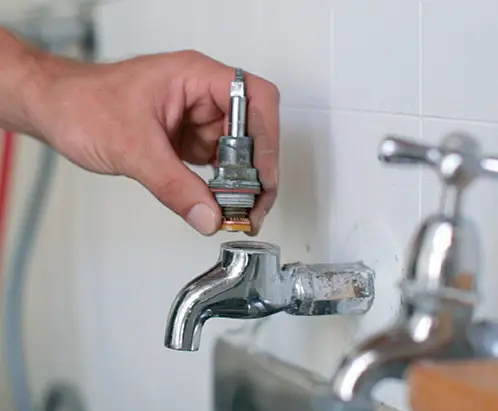
Turn off the water supply and remove the tap handle. Take out the worn washer and replace it with a new one of the same size. Reassemble the tap and test for leaks.
2. Changing O-Rings
O-rings are often located near the base of the tap. Remove the tap handle and carefully replace the damaged O-ring with a new one, lubricating it with plumber’s grease if necessary.
3. Cleaning or Replacing Valve Seats
Mineral deposits can be cleaned using vinegar or a specialized descaling solution. If corrosion is severe, replace the valve seat to restore a proper seal.
4. Tightening Loose Parts
Check all connections and tighten any loose components. Ensure not to overtighten, as this may crack plastic or damage metal parts.
5. Adjusting Water Pressure
If high water pressure is causing leaks, consider installing a pressure-reducing valve or adjusting the system to lower the pressure to safe levels.
When to Call a Professional
Some tap leaks are more complex and require expert intervention. Homeowners should consult a professional plumber in the following situations:
- Persistent leaks that DIY methods cannot fix
- Multiple taps leaking simultaneously
- Leaks originating from hidden joints or pipes
- Corrosion that has damaged the tap body
- Leaks causing water damage to the sink, countertop, or cabinetry
Professional plumbers have specialized tools and replacement parts to repair taps quickly and ensure proper installation. They can also inspect the entire plumbing system to prevent future leaks.
Preventive Measures for Tap Longevity
Regular maintenance can prevent leaks and extend the lifespan of your taps:
- Inspect taps for signs of wear and corrosion periodically
- Avoid overtightening handles when turning taps off
- Use a water softener if hard water is causing mineral buildup
- Clean tap components with gentle, non-abrasive solutions
- Schedule professional maintenance for older plumbing systems
Benefits of Timely Tap Repair
Promptly addressing a leaking tap provides multiple benefits:
- Reduces water wastage and lowers utility bills
- Prevents water damage to sinks, countertops, and floors
- Maintains proper hygiene by avoiding stagnant water
- Extends the life of tap components and plumbing fixtures
- Improves overall efficiency and reliability of your water system
Conclusion
A leaking tap repair is essential for maintaining a functional, hygienic, and water-efficient home. By identifying the root cause, performing timely repairs, and implementing preventive measures, homeowners can avoid costly plumbing issues and ensure a consistent water supply. Regular inspection, simple DIY fixes, and professional support when needed guarantee that your taps remain leak-free, reliable, and long-lasting.