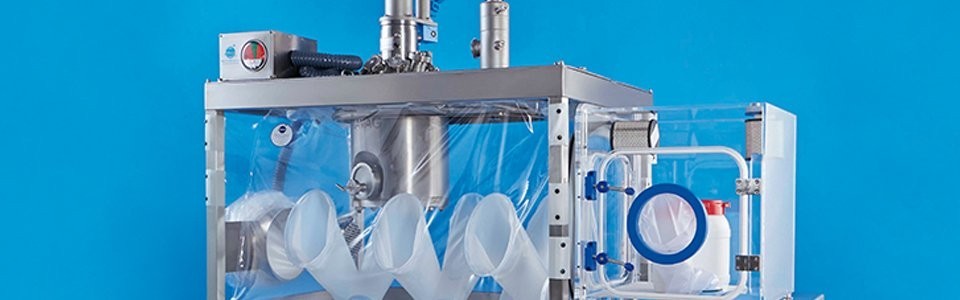
Selecting the right manufacturer for an Agitated Nutsche Filter Dryer (ANFD) is a critical decision for industries such as pharmaceuticals, chemicals, and specialty materials. These systems are designed to combine filtration, washing, and drying in a single vessel, offering high efficiency, safety, and product consistency. While performance and reliability are primary concerns, cost considerations play an equally important role in choosing the right supplier. Evaluating the total cost of ownership, including initial investment, maintenance, and operational expenses, ensures a sound long-term investment.
One of the first cost factors to consider is the purchase price of the equipment itself. A reputable Agitated Nutsche Filter Dryer Manufacturer may charge a premium for high-quality materials, advanced design, and integrated automation. While the initial investment may be higher compared to low-cost alternatives, the benefits of durability, efficiency, and reduced downtime often justify the expense. High-quality materials, such as stainless steel, Hastelloy, or duplex alloys, improve resistance to corrosion, abrasiveness, and chemical reactions, minimizing the risk of early equipment failure and lowering long-term replacement costs.
Customization and Scalability Costs
Customizing an ANFD to meet specific process requirements can affect overall costs. Manufacturers may offer different vessel sizes, agitator designs, heating systems, and filtration media tailored to the client’s material properties and production scale. While customization increases the upfront price, it ensures optimal performance, higher throughput, and reduced operational challenges. Scalable designs that allow easy expansion for future production needs may also incur additional costs but provide long-term flexibility and cost savings compared to replacing or retrofitting a standard unit.
Automation and Control Systems
Automation significantly impacts the cost of an ANFD. Advanced systems with programmable logic controllers (PLCs), human-machine interfaces (HMIs), and real-time monitoring improve process control, reproducibility, and safety. The initial expense of these features may be higher, but automation reduces labor costs, minimizes human error, and enhances operational efficiency. Over time, these benefits often outweigh the added investment by lowering process variability, energy consumption, and downtime. Buyers should evaluate the balance between automation features and budget constraints while considering the potential return on investment.
Operational Costs
Operational costs include energy consumption, labor, maintenance, and consumables such as filter media and gaskets. Efficient design from a reputable manufacturer can reduce vacuum and heating energy requirements, optimize agitation speed, and minimize solvent use during washing. Automated systems help maintain consistent operation, which reduces wear on mechanical components and lowers maintenance expenses. When evaluating costs, it is important to consider the total lifecycle cost of the ANFD rather than only the purchase price, as energy and maintenance savings can be significant over time.
Maintenance and Spare Parts
Maintenance requirements and spare parts availability can heavily influence the overall cost of owning an ANFD. Manufacturers with comprehensive after-sales support provide preventive maintenance schedules, training, and readily available spare parts. Using genuine components ensures compatibility and reduces the likelihood of equipment failure. While high-quality support may add to upfront costs, it lowers unplanned downtime and reduces long-term repair expenses. Buyers should consider the reliability of the manufacturer’s supply chain for critical components and their ability to provide timely service.
Safety and Compliance Costs
Safety features and regulatory compliance can also impact the cost of an ANFD. High-quality manufacturers include robust sealing systems, interlocks, pressure relief devices, and inerting capabilities to handle hazardous materials safely. Compliance with GMP, FDA, ISO, and other standards may require additional documentation, instrumentation, and testing protocols. While these features may increase initial costs, they reduce the risk of accidents, regulatory fines, and production losses, providing significant long-term value.
Warranty and Service Contracts
Warranty terms and service agreements are important cost considerations. Manufacturers offering extended warranties and optional service contracts may charge higher prices initially but provide long-term protection against equipment failures. Service contracts often include regular inspections, calibration, and troubleshooting support, which reduce unplanned downtime and maintenance expenses. When comparing suppliers, it is important to factor in the value of after-sales support and the potential cost savings from preventive maintenance.
Conclusion
When choosing an Agitated Nutsche Filter Dryer Manufacturer, cost considerations extend beyond the initial purchase price. Evaluating customization, scalability, automation, operational efficiency, maintenance, safety, and warranty options is essential for understanding the total cost of ownership. Investing in a high-quality manufacturer may involve higher upfront expenses, but the long-term benefits in terms of durability, efficiency, safety, and regulatory compliance often result in lower overall costs and improved production performance. By carefully analyzing all cost factors, industries can make informed decisions that maximize value, optimize operations, and ensure reliable performance of their ANFD systems over the long term.