In modern agriculture, timely and accurate weather data is crucial for maximizing crop yield, optimizing resource usage, and ensuring sustainable farming practices. Farmers and agribusinesses increasingly rely on advanced monitoring tools to make informed decisions regarding irrigation, fertilization, pest management, and harvest scheduling. Among these tools, Rika weather stations have emerged as a trusted solution for providing precise environmental data that supports intelligent agricultural management.
Rika weather stations are equipped with a range of sensors that measure temperature, humidity, wind speed, rainfall, and solar radiation. This data is essential for understanding the microclimate of farmland and making decisions that improve crop health and productivity. Many agricultural operations implement the Rika Weather Station because it offers accurate readings, durable construction, and easy integration with automated and IoT-based farming systems, enabling real-time monitoring and responsive crop management.
Precision Irrigation Management
Water management is one of the most critical aspects of modern agriculture. Over- or under-irrigation can lead to reduced crop yield, wasted resources, and soil degradation. Rika weather stations provide accurate data on rainfall, temperature, and humidity, allowing farmers to determine the precise irrigation needs of their crops.
By integrating weather station data with automated irrigation systems, farmers can optimize water distribution. Soil moisture sensors combined with Rika weather stations provide real-time insights, ensuring that crops receive the right amount of water at the right time. This precision irrigation helps conserve water, reduce energy costs, and promote sustainable farming practices.
Climate Monitoring for Crop Protection
Weather conditions such as temperature fluctuations, high humidity, and strong winds can directly affect crop growth and quality. Rika weather stations monitor these parameters, helping farmers anticipate and respond to environmental stressors.
For instance, high humidity combined with warm temperatures can encourage fungal diseases. Early detection of these conditions through weather station data allows farmers to take preventive measures such as adjusting irrigation schedules or applying protective treatments. Similarly, monitoring temperature trends can help predict frost events, enabling timely crop protection to prevent damage.
Optimizing Fertilization and Nutrient Management
Effective nutrient management is crucial for high-yield agriculture. Rika weather stations provide climate data that helps farmers plan fertilization schedules and improve nutrient uptake. For example, rainfall and temperature data can determine the best time for applying fertilizers to maximize absorption and minimize runoff.
Integrating weather station data with soil sensors further enhances precision in nutrient management. Farmers can adjust fertilizer applications based on real-time environmental and soil conditions, reducing waste, lowering costs, and minimizing environmental impact.
Pest and Disease Forecasting
Pests and diseases often thrive under specific climatic conditions. Rika weather stations provide continuous monitoring of temperature, humidity, and wind patterns, which are critical factors in predicting pest infestations and disease outbreaks.
By analyzing trends in weather data, farmers can anticipate potential threats and implement timely interventions. This targeted approach allows for precise pesticide application, reducing chemical usage while protecting crop health. Real-time alerts generated from weather station data also help prevent large-scale infestations and minimize crop loss.
Supporting Smart Farming and IoT Integration
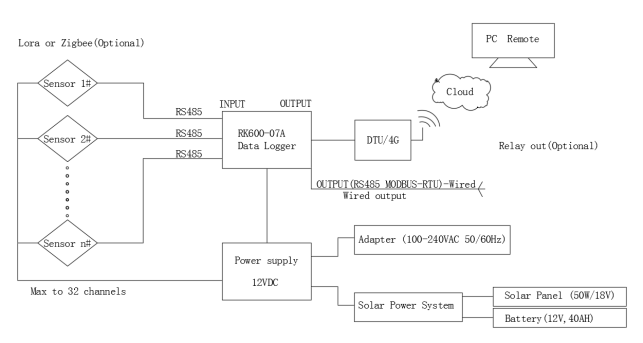
Rika weather stations are designed to integrate seamlessly with IoT platforms, enabling remote monitoring and data-driven decision-making. Farmers can access real-time weather data from multiple fields on mobile devices or computers, facilitating better management of dispersed agricultural operations.
IoT integration allows for automated control of irrigation, fertilization, and climate protection systems. For instance, if the weather station detects a sudden drop in temperature, connected systems can trigger protective measures such as frost covers or greenhouse heating. This automation enhances efficiency, reduces labor costs, and ensures timely responses to changing environmental conditions.
Enhancing Crop Yield and Sustainability
The cumulative benefits of using Rika weather stations in agriculture are improved crop yield, reduced resource waste, and more sustainable farming practices. By providing precise data on weather patterns, these stations help farmers make informed decisions that optimize growth conditions and prevent damage from environmental stressors.
Accurate monitoring also supports long-term planning for crop rotation, planting schedules, and resource allocation. This data-driven approach promotes sustainability by reducing water usage, minimizing chemical inputs, and enhancing soil health.
Conclusion
Rika weather stations are invaluable tools for modern agriculture, offering accurate, real-time weather data that supports precision farming, resource optimization, and sustainable practices. From irrigation management and climate monitoring to pest prediction and nutrient planning, these stations enable farmers to make informed, timely decisions that protect crops and maximize productivity.
By integrating Rika weather stations with IoT platforms and automated farm systems, agricultural operations can achieve higher efficiency, lower costs, and improved crop quality. As technology continues to advance, the role of weather stations in agriculture will remain critical, helping farmers meet growing demands while promoting environmentally responsible farming practices.