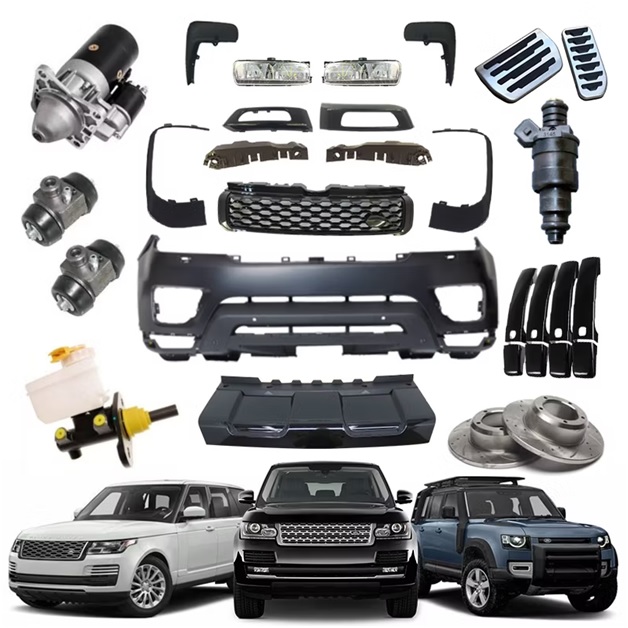
Owning a Range Rover comes with the expectation of refined comfort, dependable performance, and advanced engineering. However, maintaining these qualities requires regular servicing and careful attention to replacement components. Choosing the right Range Rover spare parts is an important part of protecting your vehicle’s performance, safety, and long-term reliability. With numerous options available in the automotive aftermarket, buyers need to look beyond price and consider factors such as compatibility, manufacturing quality, durability, and supplier credibility.
Making informed purchasing decisions can help prevent unnecessary repairs while ensuring that the vehicle continues to deliver the driving experience it was designed for.
1. Understand Your Vehicle’s Model and Specifications
Before purchasing any replacement component, identify your Range Rover’s exact model, manufacturing year, and variant. Different generations and configurations may use different components, even when they share similar designs. A part suitable for a Range Rover Sport, for example, may not necessarily fit a Range Rover Vogue or Velar.
Vehicle identification details, including the Vehicle Identification Number (VIN), can help suppliers identify compatible components. Buyers should also check manufacturer part numbers and technical specifications before confirming an order.
Taking these precautions reduces the risk of purchasing incorrectly sized or incompatible components. It also makes the replacement process more straightforward for technicians, helping avoid installation delays and additional expenses.
2. Evaluate the Quality of Replacement Components
Product quality should remain a priority when selecting automotive replacement parts. A component that appears affordable initially may become expensive if it wears out quickly, performs inconsistently, or causes problems with connected vehicle systems.
Pay attention to the material, manufacturing standards, product specifications, and reputation of the manufacturer. Components from established automotive brands often provide greater confidence because they are developed around recognised quality and performance requirements.
This consideration is particularly important for essential systems such as braking, engine cooling, electrical components, and suspension. Poor-quality replacements in these areas can affect vehicle safety and reliability.
Rather than choosing a product based entirely on its price, compare its expected durability, suitability, and overall value. A well-selected replacement component can support more dependable vehicle operation over time.
3. Understand the Difference Between OEM, Genuine, and Aftermarket Parts
Understanding replacement-part categories can help buyers make more informed decisions.
Genuine parts are supplied through the vehicle manufacturer’s authorised parts network and generally carry the manufacturer’s branding. OEM (Original Equipment Manufacturer) components are produced by the manufacturer or its designated suppliers for original vehicle production.
Aftermarket parts are manufactured by independent companies. Their quality and specifications can vary depending on the manufacturer. Some established aftermarket brands produce OE-equivalent components designed to offer comparable fitment and functionality, while others may have different specifications.
The important consideration is not simply whether a component is original or aftermarket. Buyers should examine its manufacturer, quality documentation, compatibility, and intended application.
Reliable alternatives can provide practical options for owners who want to balance replacement costs with suitable quality. However, safety-critical components should always meet the relevant technical requirements for the vehicle.
4. Check Fitment and Compatibility Before Buying
Correct fitment is essential for maintaining the intended operation of a Range Rover. Even a high-quality component may cause difficulties if it is designed for a different model generation or configuration.
This is especially relevant when purchasing body components, headlights, tail lamps, bumpers, mirrors, and electronic accessories. Minor differences in mounting points, connectors, dimensions, and electrical specifications can affect installation.
Before purchasing, confirm the following:
- Exact vehicle model and manufacturing year.
- Manufacturer part number and available cross-references.
- Dimensions, mounting points, and connector specifications.
- Compatibility with the vehicle’s existing systems.
- Whether professional installation or additional components are required.
For electronic and lighting components, compatibility deserves additional attention because modern luxury SUVs often incorporate sophisticated sensors and integrated electrical systems.
5. Consider the Supplier’s Reputation and Product Range
Choosing the right supplier is just as important as selecting the right component. A dependable supplier should provide clear product information, accurate compatibility details, and access to recognised automotive manufacturers.
When exploring Land Rover aftermarket parts in UAE, buyers should consider suppliers that understand the requirements of different Land Rover and Range Rover models. Product availability, transparent specifications, pricing, and customer assistance can all influence the purchasing experience.
It is also useful to examine the supplier’s product range. A business offering multiple categories of automotive components may make it easier to source different replacement requirements from one place.
Check whether the supplier provides information about product origins, manufacturer details, warranty coverage, and return conditions. These details help buyers understand what they are purchasing and what support may be available if a component does not meet the expected specifications.
6. Compare Prices Without Compromising Reliability
Price comparisons are useful, but the lowest-priced component is not automatically the most economical choice. Differences in manufacturing quality, material selection, expected lifespan, and warranty conditions can significantly influence the actual cost of ownership.
When comparing products, consider the complete value rather than the initial purchase price. A durable component from a reputable manufacturer may offer better long-term value than an inexpensive alternative that requires frequent replacement.
It is also important to understand whether the quoted price includes all necessary fittings, accessories, or installation-related components. Clear pricing helps prevent unexpected expenses during repairs.
7. Review Warranty and Return Policies
Before completing a purchase, understand the supplier’s warranty and return conditions. Check the coverage period, exclusions, documentation requirements, and procedures for reporting defective or incorrectly supplied components.
Buyers should also clarify whether a product can be returned if it is incompatible with the vehicle, particularly when ordering online.
Keep invoices, product packaging, and part numbers until the installation has been completed successfully. These records can be useful if a warranty claim or replacement request becomes necessary.
Clear after-sales policies provide additional purchasing confidence and help establish a smoother relationship between customers and automotive suppliers.
Conclusion
Purchasing the right replacement components requires more than finding a product that matches your vehicle’s appearance or fits within your budget. Model compatibility, manufacturing quality, supplier reliability, environmental conditions, and warranty coverage all deserve careful consideration. By evaluating these factors before buying Range Rover spare parts, owners can make informed decisions that support vehicle safety, performance, and long-term value.
When it comes to sourcing reliable automotive replacement components, choosing an experienced supplier makes a difference. Beta Auto Spare Parts offers a wide selection of quality automotive parts for various vehicle requirements, helping customers find suitable solutions for maintenance and repairs. With a focus on product quality, variety, and customer satisfaction, the company aims to make sourcing replacement components more convenient.