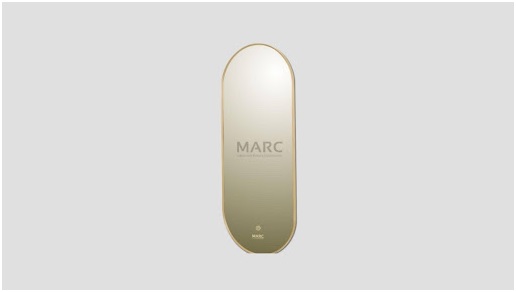
A salon interior plays an important role in shaping client perception, staff movement, and the overall efficiency of daily operations. Furniture choices can influence how organized, spacious, and professional a commercial space appears.
Mirrors are particularly important because they combine practical styling functionality with strong visual impact. For salon owners planning new interiors or upgrading existing spaces, exploring mirrors online can make it easier to compare designs, dimensions, and layouts before making a business investment.
Planning Smarter Spaces With Mirrors for Salons
Thoughtful mirror selection can improve space perception, styling efficiency, lighting, and visual consistency across a professionally planned salon interior.
1. Compare Designs Before Finalising
Online browsing lets business owners and interior planners review different mirror shapes, sizes, and design approaches before committing to a solution. This can simplify the comparison process and help decision-makers identify options that complement the salon’s planned aesthetic, styling stations, and available wall space.
2. Support Efficient Space Planning
Mirrors can influence how spacious a salon feels. Strategically positioned reflective surfaces can help distribute available light and create greater visual depth. When planned alongside styling stations, chairs, and circulation areas, mirrors can contribute to an organized floor plan without unnecessarily consuming valuable working space.
3. Coordinate With The Interior Theme
A mirror should complement the wider commercial interior rather than appear as an isolated element. Assess shape, framing, finish, and proportions alongside styling furniture and other fixtures. A consistent design language creates a more polished environment and strengthens the business’s visual identity.
4. Improve Styling Visibility
Clear, well-positioned mirrors support professionals during cutting, coloring, finishing, and other styling services. They allow clients to observe the service while giving professionals a useful visual reference. Proper positioning can therefore contribute to both service presentation and everyday workflow.
5. Consider Custom Requirements
Different salon layouts may require different dimensions or configurations. Businesses should evaluate customization options when a standard design doesn’t suit their planned interior. Discussing specifications before purchase helps ensure the selected mirror solution works effectively in the intended commercial environment.
Better Salon Value Through the Right Salon Mirror
Budgeting for mirrors requires businesses to assess quality, functionality, specifications, installation needs, and long-term suitability rather than focusing only on initial expenditure. Salon mirror prices can vary based on dimensions, design, materials, lighting features, and customization requirements. For commercial buyers, comparing products by intended use provides a more meaningful assessment of value. A lower initial price may not always mean the best investment if the mirror does not complement the layout, withstand regular use, or provide the functionality professionals require.
Businesses can therefore establish a practical purchasing framework that considers the number of styling stations, available floor space, desired aesthetic, maintenance requirements, and expected usage. This approach makes it easier to balance design expectations with operational and financial priorities.
Creating Cohesive Interiors Through Strategic Furniture Choices
A well-designed salon requires furniture decisions that support both client experience and efficient commercial operations.
Consider mirrors as part of the larger interior plan rather than purchasing them independently. Their dimensions and placement can affect styling station spacing, lighting distribution, movement pathways, and the room’s visual balance. Considering these factors during planning can prevent mismatched furniture selections and unnecessary later modifications.
For business owners, several factors deserve attention:
- Layout efficiency: Ensure furniture and mirrors support comfortable movement.
- Visual consistency: Coordinate finishes, shapes, and proportions.
- Styling functionality: Position mirrors appropriately for professional services.
- Maintenance: Select practical designs that can be cleaned and maintained easily.
- Future requirements: Consider whether the layout can accommodate business expansion or changes.
A coordinated approach allows the interior to remain visually appealing while supporting the practical requirements of a busy salon.
Professional Interiors Built Around Practical Salon Needs
Commercial salon furniture must balance appearance, durability, comfort, and operational efficiency to create a productive environment.
Styling chairs, salon beds, shampoo stations, manicure and pedicure furniture, nail tables, accessories, and mirrors can all contribute to the functionality of a professional establishment. The objective is not simply to fill a space but to create a coordinated environment where employees can work efficiently and clients can experience a comfortable, well-organised setting.
Customisation can also be valuable when businesses have particular spatial or branding requirements. A tailored furniture approach can help align selected pieces with the salon’s interior concept while maintaining functional considerations. Businesses should review specifications carefully and discuss requirements with the supplier before finalising an order.
Building Business Value With salon furniture wholesale
Wholesale purchasing can be relevant for salon owners, franchise operators, interior planners, and businesses managing larger commercial projects.
The salon furniture wholesale approach can help businesses coordinate multiple furniture requirements within a single project. Instead of sourcing every item independently, commercial buyers can evaluate a broader selection of salon furniture and develop a consistent interior plan.
For larger projects, consistency can be especially important. Matching furniture styles, finishes, dimensions, and functional requirements can create a unified environment across different styling and service areas. Businesses can also assess quantities, specifications, customisation possibilities, delivery requirements, and installation considerations before placing an order.
Wholesale sourcing should ultimately be evaluated according to product quality, supplier capability, commercial suitability, after-sales support, and the ability to meet project-specific requirements. A structured procurement process can reduce inconsistencies and make interior planning more efficient.
Conclusion
Transforming a salon into a professional commercial environment requires more than selecting attractive individual products. Mirrors, styling furniture, service stations, and other fixtures should work together within a carefully planned layout. Businesses that consider design, functionality, durability, space utilisation, and purchasing requirements can create interiors that support operational efficiency while providing a comfortable client experience. Thoughtful product selection also helps maintain a consistent visual identity throughout the salon.
For businesses seeking coordinated salon interiors, MARC Salon Furniture offers a broad portfolio of commercial salon furniture and mirror solutions. Its website features mirror units alongside styling chairs, salon beds, shampoo stations, pedicure and manicure furniture, nail tables, spa furniture, accessories, and other professional categories. They also provides customisation options for businesses with specific commercial requirements. This business-focused approach can help owners, designers, and commercial buyers create cohesive interiors that combine contemporary aesthetics with practical functionality and long-term usability.