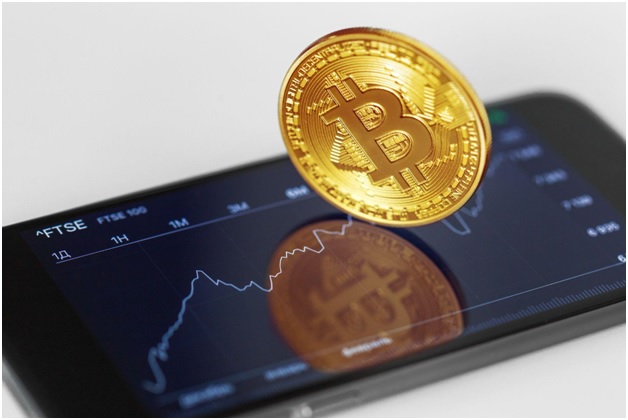
Financial markets provide traders with access to different asset classes, each influenced by unique economic and market factors. Crypto trading has gained attention because of its continuous market availability and significant price movements, while forex remains closely connected to currencies, interest rates, inflation, and global economic developments. Commodities such as gold, oil, and agricultural products are influenced by supply, demand, geopolitical events, and broader economic conditions.
For anyone considering a crypto shares trading company, understanding how these markets differ can support more informed decisions. Learning their characteristics, volatility, trading conditions, and risk factors can help traders develop a more structured approach to market participation.
What Makes Crypto Trading Different?
Cryptocurrencies are digital assets that trade according to changing market demand. Unlike traditional currencies, many crypto markets operate around the clock, creating opportunities beyond conventional weekday trading sessions. Their prices can experience sharp movements within short periods, making volatility one of their defining characteristics.
Crypto trading requires attention to liquidity, sentiment, technological developments, regulatory news, and economic conditions. Traders should understand the difference between holding an asset and trading price movements through leveraged products. Before entering a position, identify the instrument, understand its pricing structure, and consider how quickly conditions can change.
How Forex Complements Crypto Market Analysis
Forex trading involves exchanging one currency against another, such as EUR/USD or GBP/JPY. Currency values are influenced by interest rates, inflation, employment data, central bank decisions, economic growth, and geopolitical developments. Because forex is deeply connected to global economic activity, its movements can provide useful context when evaluating wider market sentiment.
Crypto and forex can respond differently to the same event. For example, a change in interest-rate expectations may affect currency valuations while also influencing investor appetite for riskier digital assets. Comparing these markets can help traders understand how macroeconomic developments influence different instruments.
The Role of Commodities in a Broader Trading Approach
Commodities introduce another perspective because their prices are closely tied to physical supply and demand. Precious metals such as gold and silver can respond to inflation expectations, currency movements, and uncertainty. Energy products such as crude oil and natural gas can be affected by production levels, inventories, weather, and geopolitical developments. Agricultural products may respond to harvest conditions, seasonal patterns, and supply disruptions.
Understanding commodity behavior can help traders recognize why markets move differently. A stronger dollar can influence commodity pricing, while energy prices affect inflation expectations. This interconnectedness makes cross-market awareness valuable when developing a trading plan.
Comparing Volatility Across Asset Classes
Volatility is important when comparing crypto, forex, and commodities. Crypto can experience significant intraday price swings, while major forex pairs often have deeper liquidity and comparatively different volatility patterns. Commodities vary considerably depending on the underlying product and prevailing market conditions.
Traders should treat volatility as a risk factor. Larger price movements can increase potential gains, but they can also accelerate losses. Position sizing, stop-loss planning, leverage awareness, and sufficient account capacity can help traders manage exposure more carefully.
Using Market Research Before Trading
Research supports informed decisions across every asset class and changing market cycles. Traders can monitor economic calendars, charts, news, technical indicators, and fundamental developments before entering positions. Technical analysis may identify trends, support, resistance, momentum, and entry or exit areas. Fundamental analysis focuses on economic or industry factors influencing valuation.
For someone comparing crypto trading brokers in India, it is also useful to examine available instruments, trading conditions, platform functionality, funding methods, and risk disclosures. Evaluate a platform based on objectives rather than advertised leverage or pricing.
Why Risk Management Matters
A strategy is incomplete without risk management. Traders should determine acceptable exposure and avoid allowing one unsuccessful trade to damage the overall account. Stop-loss orders can help define downside, although execution can vary during fast markets.
Leverage deserves particular attention. It can increase market exposure relative to available capital, but it can also magnify losses. The website states that its margin-traded products carry substantial risk and that losses can potentially exceed the initial deposit. Traders should therefore understand margin requirements, leverage mechanics, overnight costs, and instrument-specific conditions before trading.
Choosing a Suitable Trading Platform
A practical platform makes it easier to monitor several markets from one place. Real-time pricing, charts, dashboards, device access, and efficient execution can support an organized workflow. A demo account can also help beginners become familiar with platform functions and practice strategies without immediately committing real funds.
The website presents access to forex, equities, commodities, indices, cryptocurrencies, and US stocks. It also describes standard, overview, and demo accounts, along with web, mobile, and desktop access. These features can help traders compare markets and manage positions through one interface.
Building a Balanced Trading Routine
Successful market participation is not simply about finding the fastest-moving asset. A routine can begin with reviewing economic events, assessing conditions, defining a setup, calculating risk, and monitoring positions. A trading journal can identify recurring mistakes and evaluate strategy consistency.
Diversification should be approached thoughtfully. Holding positions across crypto, forex, and commodities does not eliminate risk because markets can become correlated during major economic or geopolitical events. Traders should understand the relationship between their positions and avoid taking excessive exposure simply because multiple markets are available.
Conclusion
A crypto shares trading company requires careful evaluation. Crypto trading can become more understandable when viewed alongside established markets such as forex and commodities. Each asset class has different drivers, volatility patterns, trading schedules, and risks. Learning how these markets interact can improve research and encourage more deliberate decisions. A strategy, sensible position sizing, leverage management, and continuous education remain essential for navigating changing financial conditions.
For traders seeking multi-asset access, 9 Square FX offers forex, equities, commodities, US stocks, indices, and cryptocurrency trading. Its services include standard, overview, and demo accounts, along with web, mobile, and desktop platforms. Traders can access market information, trading tools, account dashboards, funding facilities, and customer support, creating a convenient environment for monitoring markets, managing positions, and exploring different trading opportunities through one platform.