Radiator covers have become a familiar feature in many British homes, blending practicality with interior style. From sleek modern cabinets to decorative traditional grilles, they are often chosen to improve aesthetics, create shelf space, and make rooms feel more polished. Yet many homeowners wonder whether these stylish additions come at a hidden cost. Can radiator covers reduce warmth, increase heating bills, or interfere with energy efficiency? Understanding how they influence heat output is essential before deciding whether appearance should take priority over performance.
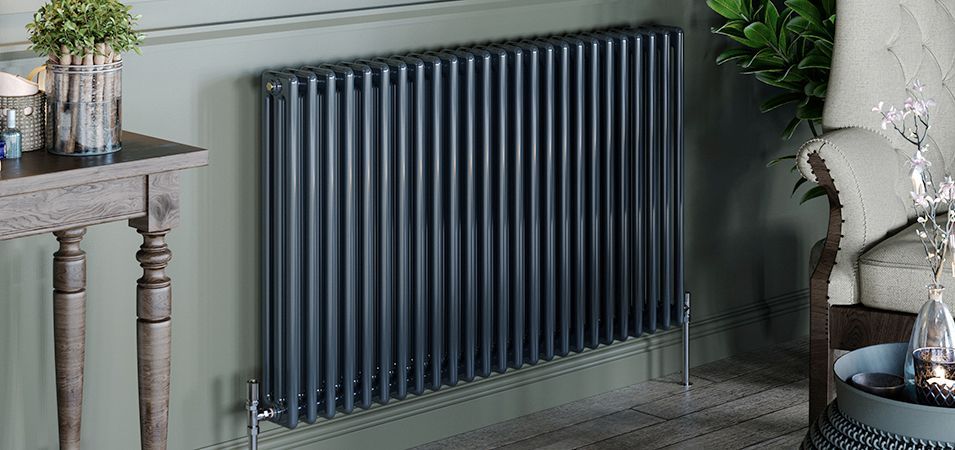
At the centre of this debate are Radiators, which play a crucial role in keeping homes comfortable during colder months. Their effectiveness depends on how heat is distributed through convection and radiation. A radiator warms surrounding air, which rises and circulates through the room, while also emitting direct heat. Adding a cover can potentially interrupt this process, but the reality is more nuanced than many assume. The right design can preserve much of the heat, while poor construction may noticeably reduce efficiency.
How Radiators Actually Heat a Room
To understand the impact of covers, it helps to first look at how home heating systems work.
Heat Radiation
Radiators emit infrared heat directly into the room, warming nearby surfaces and people.
Convection
As air around the radiator heats up, it rises and circulates, spreading warmth throughout the space.
A well-functioning radiator relies heavily on airflow. If this movement is blocked, the room may take longer to heat, and the boiler may need to work harder.
Do Radiator Covers Reduce Heat Output?
In simple terms, yes — radiator covers can reduce heat output, but the extent depends on design, material, and installation.
Potential Heat Loss
A poorly ventilated cover can trap warm air, restricting circulation and lowering efficiency. Solid-fronted covers without adequate grilles or vents may reduce heat output by a noticeable margin.
Smart Design Matters
Modern covers with slatted fronts, open bottoms, and top ventilation allow warm air to escape more effectively. In these cases, heat loss may be relatively minor.
Material Choice
Wooden covers are popular for style, but dense materials can absorb some heat. Metal mesh or grille designs often perform better because they encourage airflow.
When homeowners choose Radiators covers with practical ventilation, the impact on comfort is often less dramatic than feared.
The Benefits Beyond Style
Despite concerns, radiator covers remain popular for several valid reasons.
Safety
They can help shield children or pets from direct contact with hot surfaces.
Visual Appeal
Covers conceal ageing or unattractive radiators, helping rooms appear tidier.
Extra Shelf Space
Many designs provide a useful surface for décor, books, or household items.
Protection
Covers can reduce dust accumulation inside radiator fins, making cleaning simpler.
For many households, these advantages can outweigh a small reduction in thermal efficiency.
Common Mistakes That Increase Heat Loss
Not all radiator covers are created equally. Certain design flaws can make heating noticeably less effective.
Features to Avoid:
- Solid panels with no front grille
- Fully enclosed sides
- Thick wood without ventilation slots
- Covers fitted too tightly around the unit
- Blocking the top surface completely
These issues can prevent warm air from circulating properly, reducing room temperature and increasing energy consumption.
How to Choose a Heat-Efficient Radiator Cover
If aesthetics matter but efficiency is also important, selecting the right product is key.
Look for These Features:
- Slatted or cane front panels
- Open bottom design
- Wide top vents
- Proper spacing around the radiator
- Heat-resistant finishes
Choosing a cover that balances style with airflow can significantly reduce performance issues.
Does a Radiator Shelf Offer a Better Alternative?
Some homeowners prefer a radiator shelf rather than a full cover. This option preserves airflow while still adding decorative value.
Advantages of Shelves:
- Minimal heat obstruction
- Improved air circulation
- Decorative functionality
- Easier installation
- Lower cost than full cabinetry
For households focused on energy efficiency, a shelf may be a sensible compromise.
Impact on Energy Bills
Any reduction in heat output could mean your heating system runs for longer to achieve the desired temperature. In poorly insulated homes or large rooms, this effect may become more noticeable. However, with a thoughtfully designed cover, the increase is often modest.
Factors That Influence Cost:
- Home insulation quality
- Thermostat settings
- Boiler efficiency
- Radiator size
- Cover design
Rather than blaming the cover alone, homeowners should consider the broader heating system.
Expert Tips for Maximising Warmth
To maintain comfort while using radiator covers, small adjustments can help.
Practical Ways to Improve Efficiency:
- Use reflective foil behind radiators
- Bleed radiators regularly
- Avoid drying clothes on covers
- Keep vents clear of dust
- Position furniture away from airflow paths
These simple steps can help preserve heat performance even with decorative coverings.
Are Radiator Covers Worth It?
For many UK households, radiator covers can absolutely be worthwhile if chosen carefully. They offer style, safety, and functionality, particularly in family homes. The key is recognising that poor design can reduce heat efficiency, while well-ventilated models strike a far better balance.
Interior trends do not always have to compromise practicality. By understanding airflow and selecting quality materials, homeowners can enjoy both attractive interiors and dependable warmth.
Conclusion
Radiator covers can affect heat output, but they do not automatically make a heating system inefficient. The biggest difference lies in design quality, ventilation, and proper installation. Covers with open grilles and thoughtful spacing often maintain satisfactory warmth while adding style and safety. For homeowners seeking a balance between appearance and practicality, informed choices matter most. By focusing on airflow and smart materials, it is entirely possible to enjoy decorative enhancements without sacrificing household comfort or significantly increasing energy costs.