The demand for skilled technicians is rapidly growing in Australia, especially in the HVAC (Heating, Ventilation, Air Conditioning, and Refrigeration) sector. With increasing construction projects, climate-control needs, and energy-efficient building systems, air conditioning and refrigeration courses have become one of the most promising vocational pathways for students and job seekers.
These courses provide hands-on technical training, industry-recognised qualifications, and strong employment opportunities across residential, commercial, and industrial sectors.
What Are Air Conditioning and Refrigeration Courses?
Air conditioning and refrigeration courses are nationally accredited training programs designed to teach students how to install, maintain, diagnose, and repair cooling and refrigeration systems.
Mostly, the best programs in Australia fall under qualifications like the Certificate III in Air Conditioning and Refrigeration, which is widely recognised across the HVAC industry.
Students typically learn:
- Installation of air conditioning systems (split, ducted, and commercial units)
- Refrigeration system maintenance and repair
- Electrical and mechanical components of HVAC systems
- Refrigerant handling and environmental safety compliance
- Fault diagnosis and system testing
- Energy efficiency optimisation
These skills are essential for working as a licensed HVAC technician in Australia.
Why Choose This Career Path?
There are several reasons why students are increasingly enrolling in air conditioning and refrigeration courses:
1. High Demand for Skilled Technicians
Australia is facing a growing shortage of skilled tradespeople. Recent reports show a decline in apprenticeship numbers across multiple trades, increasing the demand for HVAC professionals nationwide.
2. Strong Job Security
HVAC systems are essential in homes, hospitals, offices, and industrial facilities. This ensures consistent job opportunities regardless of economic conditions.
3. Attractive Salary Packages
Qualified technicians often earn competitive wages, especially those who complete apprenticeships and obtain a license.
4. Pathway to Licensing
After completing the course, students can apply for a Refrigerant Handling Licence, which is required to legally work with refrigerants in Australia.
Course Structure and Training Style
Most air conditioning and refrigeration courses in Australia combine theory-based learning with practical, on-the-job training.
Training includes:
- Classroom learning for electrical and mechanical theory
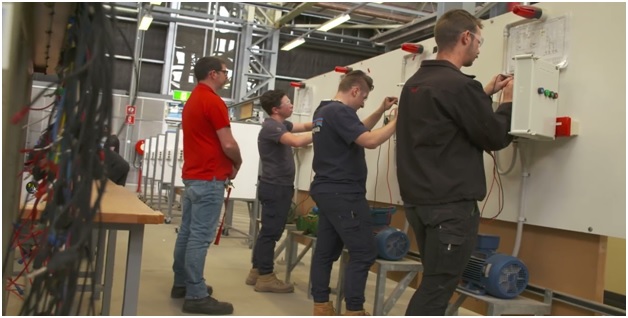
- Workshop-based practical sessions
- Real-world apprenticeship placements
- Workplace safety and compliance training
According to Australian training providers, courses typically run for around 100 weeks, including supervised practical experience and workplace training.
This structure ensures students graduate job-ready with real industry experience.
Industry Growth and Modern Trends in Australia
The HVAC industry in Australia is evolving rapidly due to technological and environmental changes.
1. Shift Toward Energy Efficiency
Modern buildings are now designed with energy-efficient HVAC systems to reduce electricity consumption and carbon emissions.
2. CO₂ and Green Refrigerants
Recent training initiatives in Australia are focusing on CO-based refrigeration systems as industries move toward environmentally friendly alternatives.
3. Government Support for Skilled Trades
The Australian Government has continued investing in apprenticeships and vocational training programs, especially in priority sectors like construction and HVAC.
4. Expansion of Training Programs
Events like ARBS 2026 highlight industry focus on HVAC innovation, smart systems, and sustainable cooling technologies.
These updates show that HVAC is not just a trade-it is a future-focused, technology-driven industry.
Career Opportunities After Completing the Course
After completing air conditioning and refrigeration courses, graduates can work in multiple roles such as:
- HVAC Technician
- Refrigeration Mechanic
- Air Conditioning Installer
- Service Technician
- Maintenance Engineer
- Commercial Cooling Specialist
With experience, professionals can also move into:
- Project management
- HVAC system design
- Business ownership
- Energy efficiency consultancy
Apprenticeships: The Best Way to Start
In Australia, most students enter the HVAC industry through apprenticeships. This allows them to earn while they learn and gain real-world experience.
Apprenticeships usually include:
- Paid on-the-job training
- Formal study at a registered training organisation (RTO)
- Mentorship from experienced technicians
The government also provides incentives and financial support for apprentices and employers in priority trades like refrigeration and air conditioning.
Why Now Is the Right Time to Enrol
Australia’s HVAC sector is growing due to climate change, urban development, and increasing demand for cooling systems. At the same time, skilled labour shortages are creating excellent job opportunities for new entrants.
Recent investments in workforce development and TAFE training programs show strong government backing for vocational education and trade careers.
This makes it an ideal time to consider enrolling in air conditioning and refrigeration courses for long-term career stability.
Final Thoughts
Air conditioning and refrigeration courses are more than just technical training-they are a gateway to a stable, high-demand, and future-proof career in Australia’s growing HVAC industry.
With strong industry demand, government support, and continuous technological advancements, this field offers excellent opportunities for students, apprentices, and career changers alike.
If you are looking for a practical career with real-world impact and long-term growth, HVAC training could be the perfect choice.