Introduction to Sunsred Red Light Therapy
Red light therapy has become a widely discussed wellness approach due to its potential benefits for skin health, muscle recovery, and overall cellular support. As more people explore non-invasive wellness tools, questions about how these devices work and how to use them effectively have become increasingly common. Understanding the basics helps users make informed decisions and set realistic expectations.
Sunsred devices are part of this growing category of at-home light therapy systems designed to deliver red and near-infrared wavelengths to the body. Many users researching these devices often come across Sunsred while looking for reliable options that support both skincare and recovery goals. As interest grows, so do the questions about safety, effectiveness, and proper usage.
What Is Sunsred Red Light Therapy Used For?
One of the most common questions is what Sunsred devices are actually used for. These devices are primarily designed to support natural biological processes using specific wavelengths of light. The two main applications include skin health improvement and muscle recovery support.
For skin care, red light therapy is often used to support collagen production, which helps maintain skin elasticity and reduce visible signs of aging. Many users also report improvements in skin texture and tone over time with consistent use.
For recovery, near-infrared light penetrates deeper into muscles and joints, where it may help support circulation and reduce inflammation. This makes it popular among athletes and active individuals who want to improve recovery after exercise.
How Does Sunsred Technology Work?
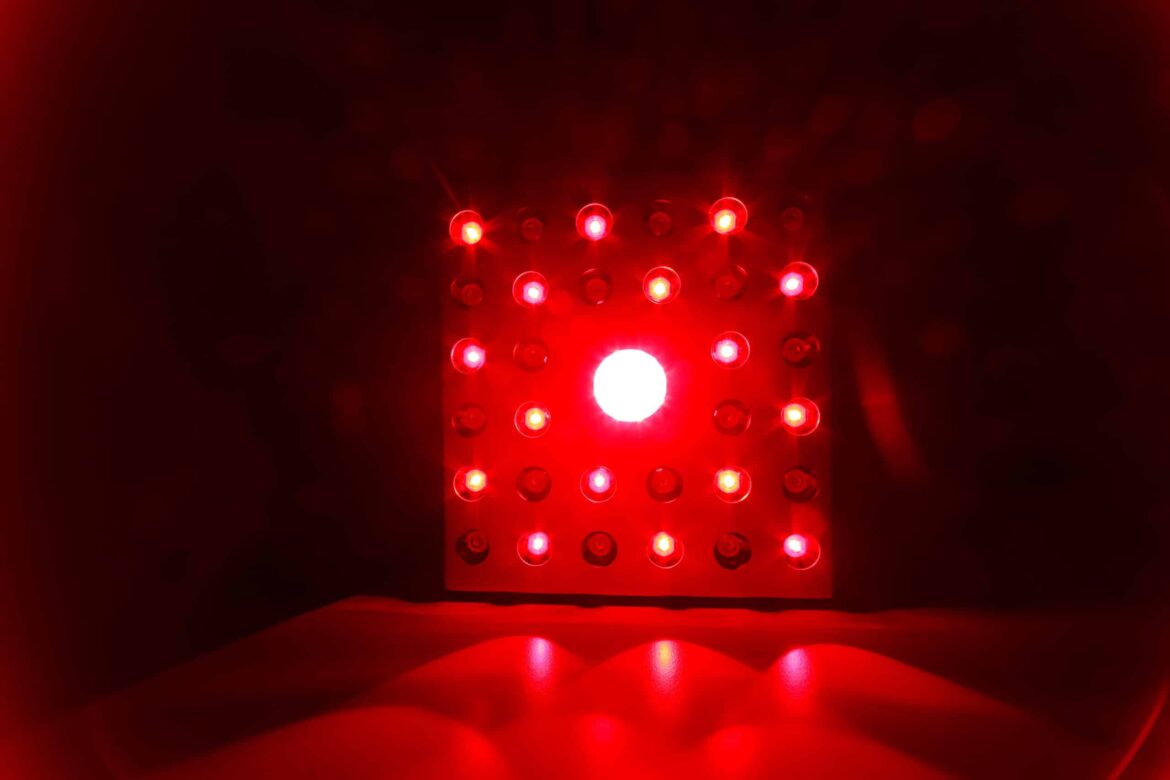
A frequently asked question is how the technology actually works at a biological level. Sunsred devices use red light (typically in the 630–660nm range) and near-infrared light (around 810–850nm). These wavelengths are known for their ability to interact with mitochondria, the energy-producing structures inside cells.
When mitochondria absorb this light energy, they may produce more ATP, which is the primary energy source for cellular activity. Increased energy availability can support natural processes like tissue repair, improved circulation, and reduced inflammation response.
This process is known as photobiomodulation, and it is the scientific foundation behind most red light therapy devices on the market today.
Is Sunsred Safe to Use at Home?
Safety is another major concern for new users. In general, red light therapy is considered non-invasive and safe when used according to manufacturer guidelines. Sunsred devices are designed for home use, meaning they do not involve harmful UV radiation or invasive procedures.
Most users can safely incorporate sessions into their daily routines. However, it is important to follow recommended exposure times, which typically range from 10 to 20 minutes per area. Overuse does not necessarily improve results and may reduce efficiency.
Eye protection is often recommended when using high-intensity panels, especially during close-range facial treatments. Users with medical conditions or sensitivities should consult a healthcare professional before starting any new therapy.
How Often Should Sunsred Devices Be Used?
Many users ask how frequently they should use red light therapy for best results. The answer depends on individual goals. For general skin health, most people use the device three to five times per week. For muscle recovery or athletic performance, daily use after workouts is common.
Consistency is more important than long sessions. Regular exposure allows cells to respond gradually over time, which leads to more noticeable long-term benefits. Skipping sessions frequently can slow down progress.
Beginners are often advised to start with shorter sessions and gradually increase frequency as their body adapts to the therapy.
How Long Does It Take to See Results?
Another common question is how quickly results appear. Red light therapy is not an instant solution. Most users begin to notice subtle changes after several weeks of consistent use, while more visible improvements may take one to three months.
Skin-related benefits such as improved texture and tone tend to develop gradually. Recovery-related benefits, such as reduced soreness or improved mobility, may also become more noticeable with regular use.
Individual results vary based on factors such as age, lifestyle, and consistency of use.
Can Sunsred Be Used for Pain Relief?
Some users are interested in whether Sunsred devices can help with pain management. While red light therapy is not a medical treatment or cure, it is often used as a supportive wellness tool for discomfort related to muscles and joints.
Near-infrared light may help improve circulation and reduce inflammation in targeted areas, which can contribute to temporary relief in stiffness or soreness. This is why it is commonly used by individuals with active lifestyles or physically demanding routines.
However, it should not replace professional medical care for serious or chronic conditions.
What Makes Sunsred Different from Other Brands?
Users often ask how Sunsred compares to other red light therapy brands. While many devices use similar wavelengths, differences usually come down to build quality, irradiance levels, and usability.
Sunsred focuses on delivering consistent light output and user-friendly designs that are suitable for home environments. This makes it appealing for individuals who want reliable performance without overly complex systems or clinical setups.
Other brands may offer additional features or higher price points, but the core therapeutic principles remain largely the same across reputable devices.
Conclusion
Common questions about Sunsred red light therapy devices often focus on safety, usage frequency, results, and effectiveness. Understanding how the technology works and how to use it properly helps users get the most benefit from their sessions. While results take time and consistency, Sunsred devices offer a practical, non-invasive option for supporting skin health, muscle recovery, and overall wellness when used correctly.