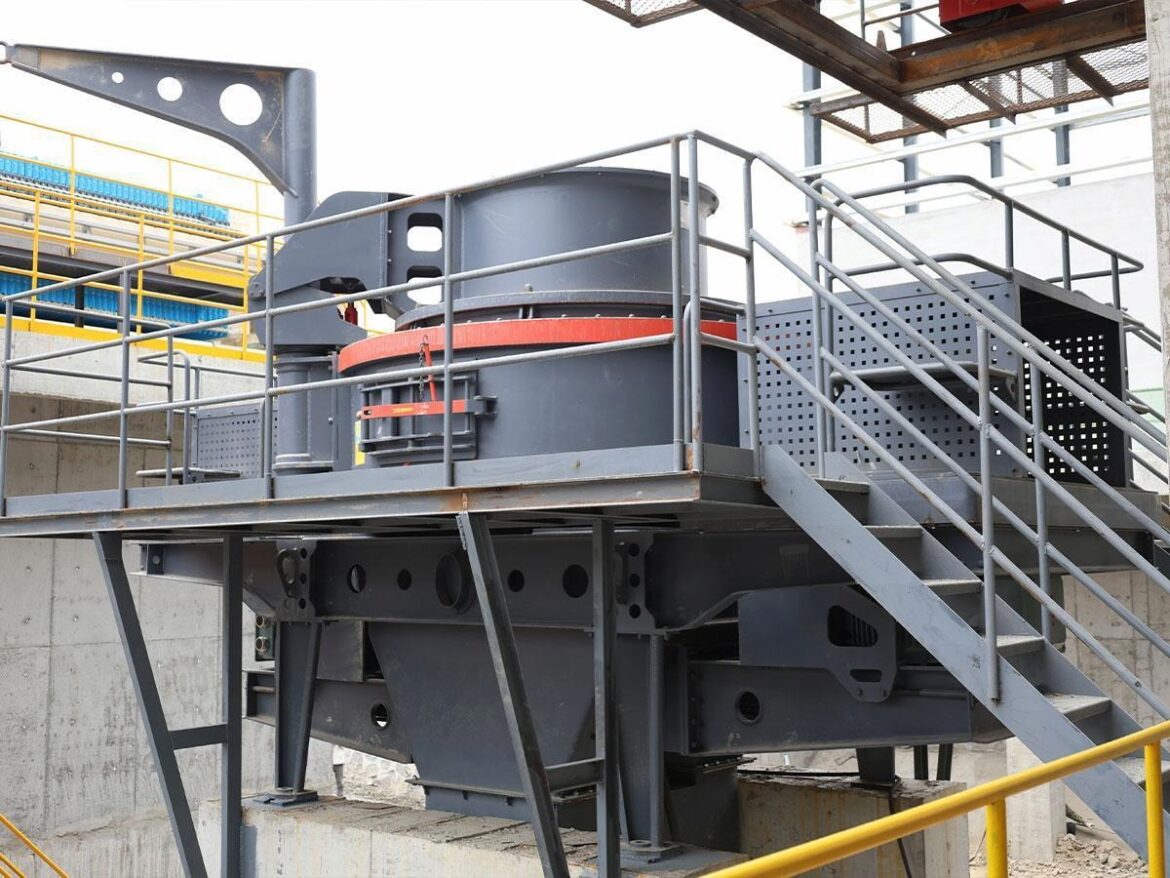
Behind every smooth road and durable structure lies a carefully controlled crushing process. Among the most efficient machines in this chain are VSI crushers, known for producing high-quality aggregates. Understanding how they work reveals why they are essential for consistent shape, strength, and performance in modern construction materials.
In aggregate production, achieving the right particle shape and size is just as important as crushing the material itself. This is where modern crushing technology plays a critical role, as it is specifically designed to enhance both particle shape and consistency. Unlike traditional crushers that rely on compression, these machines use speed and impact to refine materials, resulting in more uniform and high-quality output.
Their ability to produce well-shaped aggregates makes VSI Crushers especially valuable in industries where precision and consistency matter. From road construction to concrete production, the efficiency of these machines directly influences the final product quality.
How VSI Crushers Work at the Core
The Principle of Impact Crushing
VSI stands for Vertical Shaft Impactor. As the name suggests, the machine operates using a vertical shaft that spins at high speed. Material is fed into the crusher, where it is accelerated outward by centrifugal force.
Instead of being crushed between two surfaces, the material is thrown against hard surfaces or other particles. This high-speed collision breaks the material into smaller, more refined pieces.
Material-on-Material vs Material-on-Metal
There are two main crushing methods used in VSI systems:
- Material-on-material: Particles collide with each other, reducing wear and producing more cubical shapes
- Material-on-metal: Particles hit metal surfaces, offering higher reduction but with increased wear
Each method is selected based on the desired output and material type.
Why Particle Shape Matters in Aggregates
The Role of Cubical Aggregates
Aggregate shape significantly impacts the strength and durability of construction materials. Cubical particles pack better, reducing voids and improving structural integrity.
VSI crushers are specifically designed to create these desirable shapes. The impact-based process naturally trims elongated or irregular particles, resulting in a more balanced mix.
Consistency in Production
Consistency is another major advantage. With controlled speed and feed, these crushers produce aggregates with uniform size and shape. This ensures predictable performance in applications such as asphalt and concrete.
Key Components That Drive Performance
Rotor System
The rotor is the heart of the machine. It spins at high speed, accelerating the material outward. The design of the rotor directly influences the crushing efficiency and output quality.
Crushing Chamber
This is where the actual impact occurs. The chamber is designed to maximise collision efficiency while protecting internal components from excessive wear.
Feed System
Proper feeding ensures even distribution of material. An uneven feed can reduce efficiency and lead to inconsistent results.
Applications Across Industries
Construction and Infrastructure
In construction, high-quality aggregates are essential for strong and durable structures. VSI crushers help produce materials that meet strict standards for roads, bridges, and buildings.
Mining and Quarrying
In mining operations, these crushers are used to refine materials after primary crushing stages. They help achieve the desired size and shape before final processing.
Manufactured Sand Production
With natural sand becoming scarce, manufactured sand has gained importance. VSI machines are widely used to produce sand with controlled grading and shape, suitable for modern construction needs.
Advantages Over Traditional Crushing Methods
Improved Product Quality
Unlike compression crushers, VSI machines focus on shaping rather than just breaking material. This leads to better-quality aggregates with improved performance characteristics.
Reduced Need for Further Processing
Because the output is already refined, there is less need for additional screening or shaping stages. This saves time and operational costs.
Energy Efficiency
Although they operate at high speeds, VSI crushers are designed to optimise energy use. Efficient impact crushing reduces unnecessary energy consumption while maintaining high output.
Operational Factors That Influence Efficiency
In the middle of aggregate production processes, VSI crushers must operate under carefully controlled conditions to maintain performance. Several factors directly affect their efficiency.
Feed Size and Consistency
The size of the incoming material should match the crusher’s design limits. Oversized feed can reduce efficiency and increase wear.
Rotor Speed
Higher speeds increase impact force but also lead to higher energy use. Finding the right balance is key to maintaining both efficiency and durability.
Wear Parts Maintenance
Regular inspection of wear parts ensures consistent performance. Worn components can affect crushing quality and reduce output consistency.
Maintenance and Longevity Considerations
Importance of Regular Checks
Routine maintenance helps identify issues before they become major problems. This includes checking rotor components, liners, and feed systems.
Minimising Downtime
Well-maintained machines experience fewer breakdowns. This improves overall productivity and ensures continuous operation in demanding environments.
Practical Tips for Better Performance
To maximise efficiency and output quality, consider the following:
- Maintain consistent feed size to avoid overloading the system
- Monitor rotor speed and adjust based on material type
- Schedule regular inspections to prevent unexpected wear
- Ensure proper alignment of internal components
- Optimise feed distribution for even material flow
These steps help improve both performance and lifespan, making operations more cost-effective over time.
Environmental and Production Benefits
Reduced Waste Generation
By producing uniform particles, VSI machines reduce the amount of unusable material. This contributes to more efficient resource utilisation.
Better Material Utilisation
High-quality output means less reprocessing and fewer rejects. This improves overall productivity and reduces operational costs.
Support for Sustainable Construction
With increasing demand for sustainable materials, VSI crushers support the production of consistent aggregates that meet modern standards.
Final Thoughts
In modern aggregate production, precision and efficiency are essential. VSI crushers stand out for their ability to shape materials rather than simply crush them. Their impact-based approach produces high-quality aggregates that improve construction outcomes.
By understanding their working principles and maintaining proper operation, industries can achieve better results with lower costs. These machines are not just tools—they are a key part of building stronger, more reliable infrastructure.