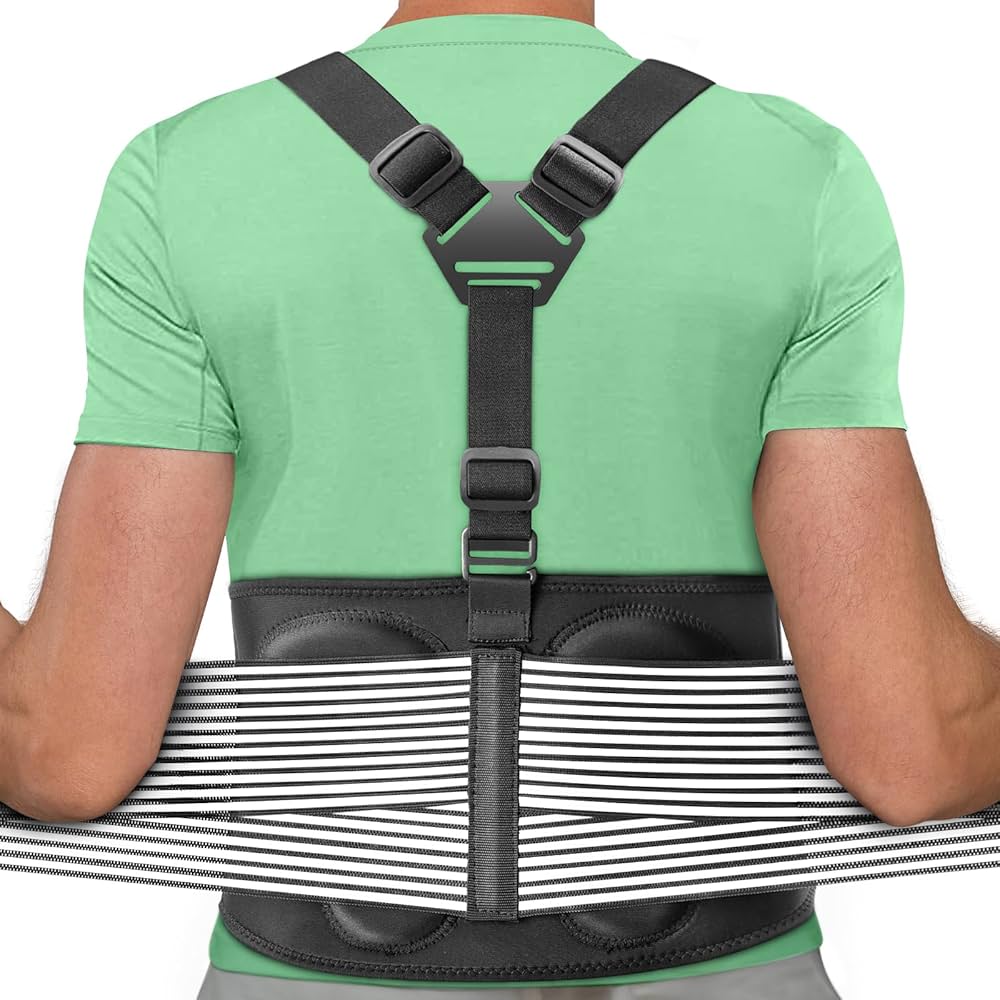
Lower back pain is a common issue that affects millions of people worldwide. It can arise from poor posture, long hours of sitting, heavy lifting, or even minor injuries. Chronic discomfort can limit mobility, reduce productivity, and affect overall quality of life. As a result, many individuals seek solutions to provide stability, alleviate pain, and support the muscles of the lower back. One of the most effective tools available for this purpose is a neoprene back brace.
A Neoprene Back Brace is specifically designed to offer support, warmth, and gentle compression to the lower back area. Unlike rigid braces that restrict movement, neoprene braces are flexible and lightweight, allowing users to move naturally while still benefiting from stability. Understanding the features, benefits, and proper use of a neoprene back brace can help individuals make informed decisions about incorporating it into their pain management and support strategies.
What Is a Neoprene Back Brace?
A neoprene back brace is a supportive device made from neoprene, a synthetic rubber material known for its elasticity, durability, and heat-retaining properties. The brace typically wraps around the lower back and fastens with adjustable straps or Velcro closures. This design allows users to achieve a customized fit and desired level of compression.
Neoprene material offers multiple advantages for back support. It provides gentle compression that helps stabilize muscles, improves blood circulation, and reduces unnecessary movement that may exacerbate pain. Additionally, the material retains warmth, which helps relax tense muscles and alleviate stiffness. This combination of features makes a neoprene back brace suitable for both preventive use and pain management.
Key Features of a Neoprene Back Brace
A high-quality neoprene back brace includes several features that enhance support and comfort. Adjustable compression is essential, as it allows users to modify the level of support based on activity or discomfort. Straps and closures should be secure and easy to adjust, ensuring the brace stays in place during movement.
Reinforced panels or flexible stays provide additional stability to the lower back, particularly during lifting or physical activity. These structural elements help maintain proper spinal alignment and reduce the risk of strain or injury. Many modern braces also incorporate breathable materials or perforated neoprene sections to improve airflow and prevent excessive sweating, increasing comfort during extended wear.
Another important feature is ergonomic design. A well-designed neoprene back brace follows the natural contours of the lower back, offering targeted support where it is needed most. This helps relieve pressure on muscles and promotes proper posture throughout daily activities.
Benefits for Pain Relief and Support
One of the primary benefits of a neoprene back brace is pain relief. The combination of compression and warmth helps relax tense muscles and reduces inflammation. This can be particularly beneficial for individuals experiencing chronic lower back pain or recovering from minor strains.
The brace also promotes muscle stabilization. By providing external support, it reduces unnecessary motion in the lower back, allowing muscles and ligaments to recover more efficiently. For people who perform physically demanding work, this stabilization can prevent additional strain and fatigue.
Improved posture is another key benefit. Wearing a brace encourages the spine to maintain a more natural alignment, reducing the pressure on specific muscles and ligaments. Over time, this can help prevent further injury and enhance overall back health. Many users also report increased confidence during movement, as the support reduces the fear of sudden pain or strain during everyday activities.
Who Can Benefit From a Neoprene Back Brace?
A wide range of individuals can benefit from using a neoprene back brace. Office workers who spend long hours sitting may experience lower back fatigue, and a brace can help maintain proper posture throughout the day. People involved in physical labor, such as lifting, bending, or standing for extended periods, can also benefit from additional support to prevent injury.
Athletes and fitness enthusiasts often use neoprene back braces during training or recovery. The brace provides stability during workouts, helping reduce the risk of muscle strain and improving performance. Individuals recovering from mild lower back injuries or muscle fatigue may also find that wearing a brace enhances comfort and promotes healing.
Proper Use and Tips
To maximize the benefits of a neoprene back brace, it is important to wear it correctly. The brace should fit snugly without being overly tight. Over-compression can restrict blood flow and movement, while a loose fit may reduce effectiveness. Position the brace so that it covers the lumbar region, with the lower edge just above the hips.
It is recommended to gradually increase the duration of use, especially for new users. Begin with short periods to allow the body to adjust, and extend wear time as comfort improves. The brace should complement, not replace, healthy movement and exercise. Incorporating core-strengthening exercises and stretching can improve overall back stability and reduce dependence on external support.
Maintenance and Care
Proper care is essential for ensuring the longevity of a neoprene back brace. Hand wash the brace with mild soap and cold water to remove sweat and dirt. Avoid using harsh detergents or bleach, as these can damage the neoprene material. After washing, gently squeeze out excess water and air dry the brace on a flat surface away from direct sunlight or heat sources. Avoid wringing, twisting, or using a dryer.
Regularly inspect the brace for wear and tear, particularly the straps and closures. A well-maintained brace will continue to provide reliable support and comfort for years.
Conclusion
A neoprene back brace is an effective tool for supporting the lower back, relieving pain, and promoting proper posture. Its combination of compression, warmth, and flexible support makes it suitable for office workers, athletes, and individuals recovering from minor injuries. By understanding its key features, benefits, and proper use, individuals can make the most of a neoprene back brace to manage discomfort, improve stability, and maintain overall back health. Proper care and consistent use ensure the brace remains durable and effective, providing long-term support and comfort.