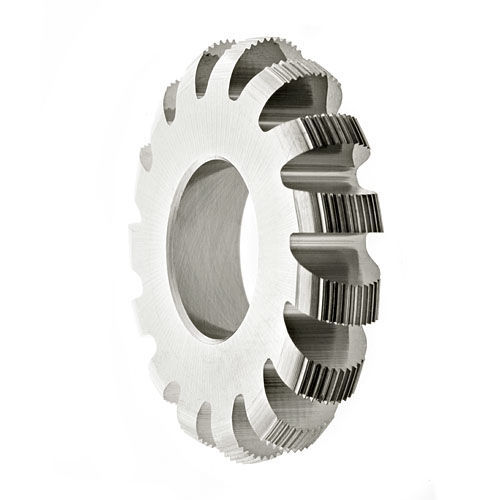
Modern manufacturing depends heavily on the ability to produce accurate, durable, and high-performance gears. From automotive transmissions to industrial machinery and robotics, gears transfer motion and power in almost every mechanical system. At the heart of this process lies the gear milling cutter and the broader family of gear cutter tools—specialized instruments designed to create precise tooth profiles with repeatable quality. Selecting the right tooling is essential for productivity, cost control, and long service life of the final component.
The Role of Gear Cutting in Today’s Industry
Gear production is far more complex than simple metal removal. Each gear must meet strict requirements for pitch, pressure angle, surface finish, and concentricity. Even minor deviations can result in noise, vibration, or premature failure. This is why manufacturers rely on advanced gear cutter tools engineered for specific materials and gear types such as spur, helical, bevel, or worm gears.
A high-quality gear milling cutter allows machinists to generate accurate involute profiles while maintaining excellent surface integrity. With industries pushing for higher torque density and quieter operation, tooling technology has evolved to deliver tighter tolerances and longer tool life than ever before.
Understanding the Gear Milling Cutter
A gear milling cutter is a form-relieved cutting tool used primarily on milling machines and CNC machining centers. Unlike general end mills, it carries the exact inverse shape of the gear tooth space. As the cutter indexes around the workpiece, it gradually forms each tooth to the required geometry.
Key characteristics of a reliable gear milling cutter include:
- Precision ground profiles that match standard or custom gear specifications
- Optimized rake and relief angles for smooth chip evacuation
- High-grade tool materials such as HSS, cobalt, or carbide
- Consistent heat treatment for wear resistance
- Compatibility with modern CNC strategies
Manufacturers often choose between module cutters, DP cutters, or special profile cutters depending on the standard used. The right selection ensures that every gear produced meets design intent without secondary corrections.
Types of Gear Cutter Tools
The term gear cutter tool covers a wide range of equipment beyond milling cutters alone. Common categories include:
- Hobs – Used on hobbing machines for continuous generation of gears, ideal for mass production.
- Shaper cutters – Suitable for internal gears and close-shoulder applications.
- Rack cutters – For generating large gears with rack-type motion.
- Form milling cutters – Preferred for small batches or prototype work.
- Carbide insert cutters – Provide high productivity on tough alloy steels.
Each tool has unique advantages. For example, hobbing offers exceptional efficiency for large volumes, while a form-type gear milling cutter provides flexibility for custom or repair jobs. Understanding these differences helps manufacturers choose the most economical process.
Materials and Coatings Matter
The performance of any gear cutter tool depends greatly on its material composition. High-speed steel remains popular due to toughness and ease of resharpening. However, carbide cutters are gaining ground because they allow higher cutting speeds and superior wear resistance.
Advanced coatings such as TiN, TiAlN, and AlCrN further enhance tool life by reducing friction and heat buildup. When machining hardened steels or exotic alloys, coated carbide gear milling cutters can dramatically lower cycle times while maintaining profile accuracy.
Benefits of High-Quality Tooling
Investing in professional-grade gear cutter tools delivers measurable advantages:
- Improved dimensional accuracy with minimal runout
- Longer service life and fewer tool changes
- Better surface finish, reducing the need for grinding
- Lower overall cost per gear
- Stable performance in unattended CNC operations
For companies competing in automotive, aerospace, or heavy engineering markets, these benefits translate directly into stronger competitiveness and customer satisfaction.
Selecting the Correct Gear Milling Cutter
Choosing the proper cutter involves several considerations:
- Gear specifications – module/DP, number of teeth, pressure angle, helix angle
- Workpiece material – mild steel, alloy steel, cast iron, or non-ferrous
- Machine capability – spindle speed, rigidity, coolant system
- Production volume – prototype versus serial manufacturing
- Quality requirements – DIN/AGMA class, noise limitations
Working with an experienced tooling supplier is invaluable. Experts can recommend the ideal gear cutter tool geometry, grade, and cutting parameters to achieve the desired result without trial and error.
Maintenance and Re-sharpening
Even the best gear milling cutter requires proper care. Regular inspection for wear, chipping, or built-up edge prevents scrap and downtime. Re-sharpening by a qualified service restores the original profile and extends tool life significantly. Keeping detailed records of cutting hours and material types helps predict the optimal regrind interval.
Trends Shaping Gear Tooling
The gear industry is experiencing rapid change driven by electric vehicles, automation, and digital manufacturing. These trends influence cutter design in several ways:
- Higher precision demands for quiet EV gearboxes
- Use of tougher materials requiring advanced carbide grades
- Integration with CAD/CAM for custom profile generation
- Dry and MQL machining to reduce environmental impact
- Smart tooling with traceability and performance data
Suppliers who continuously innovate their gear cutter tool range enable manufacturers to stay ahead of these developments.
Why Partner with a Specialized Supplier
A dependable tooling partner does more than sell cutters. Companies like those showcased on sstools.net provide technical consultation, custom design, and after-sales support. Access to a broad portfolio of gear milling cutters ensures that customers can source everything from standard modules to special profiles from one trusted place.
Professional suppliers also assist with:
- Feasibility studies for new gear projects
- Optimization of feeds and speeds
- Troubleshooting surface or noise issues
- Rapid delivery of replacement tools
- Training for machine operators
Such collaboration reduces risk and accelerates time to market.
Conclusion
Gears remain fundamental to mechanical power transmission, and their quality depends largely on the tooling used to create them. The gear milling cutter and related gear cutter tools are critical assets that determine accuracy, productivity, and cost efficiency. By selecting the right design, material, and supplier, manufacturers can achieve consistent results across small workshops and large production lines alike.
As technology advances, the demand for quieter, stronger, and more precise gears will continue to grow. Investing in modern cutting tools and partnering with knowledgeable experts ensures that businesses are well prepared to meet these challenges and deliver world-class gear components to every industry they serve.