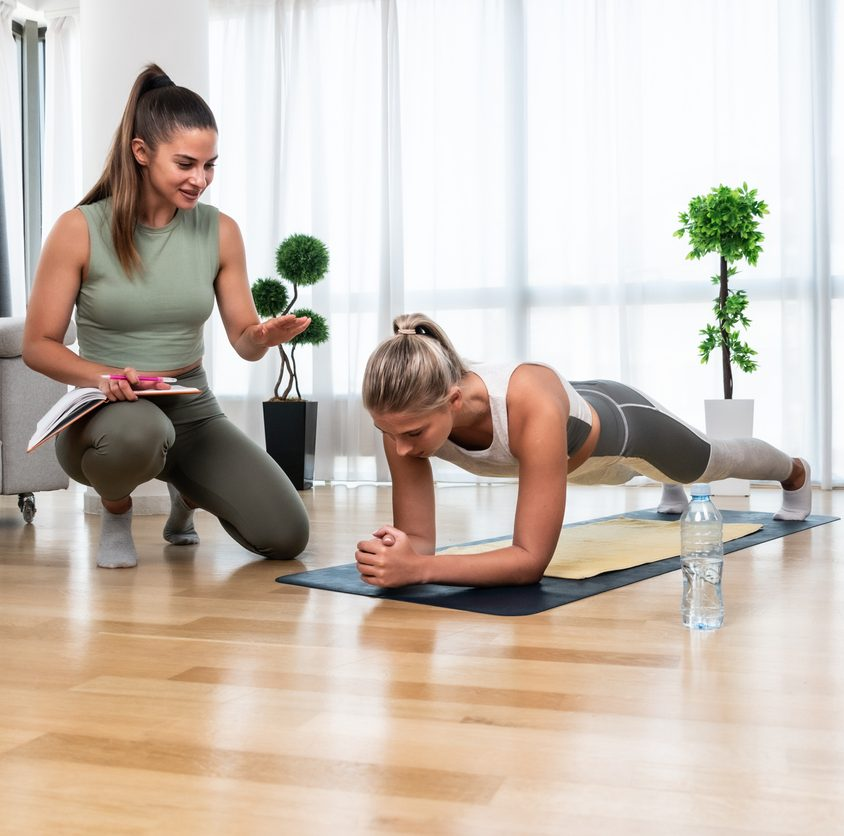
Modern lifestyles often involve long hours of sitting, limited movement, and repetitive daily patterns that slowly reduce joint mobility and muscle flexibility. Over time, this can lead to stiffness, discomfort, poor posture, and a higher risk of injury. Mobility and flexibility training focuses on restoring natural movement, improving joint control, and allowing the body to move freely and efficiently. When guided by a home personal trainer, these practices become structured, safe, and tailored to individual needs.
Training at home provides a comfortable environment where mobility work can be performed consistently without the pressure of a crowded gym. With expert guidance, even simple movements can produce long-term improvements in posture, strength, and everyday functionality.
Understanding Mobility and Flexibility
Mobility refers to the ability of joints to move actively through their full range of motion with control. Flexibility focuses on the length and elasticity of muscles. While flexibility allows muscles to stretch, mobility ensures that joints move efficiently during real-life movements such as squatting, bending, or twisting.
A skilled home personal trainer blends both elements to create balanced sessions that support strength training, injury prevention, and recovery. This approach is especially valuable for individuals experiencing stiffness, desk-related discomfort, or previous injuries.
Why Home-Based Mobility Training Works
Training mobility and flexibility at home removes many common barriers, such as travel time, limited schedules, and a lack of personalized attention. Sessions are adapted to available space and use minimal equipment, making them accessible to beginners and advanced individuals alike.
For people recovering from injuries or managing chronic discomfort, mobility training may also be integrated with physiotherapy at home Dubai, ensuring movements are corrective, controlled, and aligned with recovery goals. This personalized environment allows exercises to be modified instantly based on how the body responds.
Key Techniques Used by Home Trainers
A structured mobility and flexibility routine includes multiple movement styles, each serving a specific purpose. Home trainers focus on quality of movement rather than intensity, ensuring joints and muscles are prepared for daily activity and exercise.
Dynamic Stretching for Active Movement
Dynamic stretching involves controlled movements that gently take joints through their natural range of motion. These movements are often used at the beginning of sessions to warm up muscles and activate key joints.
Common examples include arm circles that gradually increase in size, leg swings performed forward and sideways, and moving lunges combined with torso rotation. These exercises improve circulation, enhance coordination, and prepare the body for more demanding activity.
A home personal trainer ensures these movements are performed smoothly and safely, preventing strain while maximizing effectiveness.
Mobility Drills for Joint Control
Mobility drills focus on controlling movement rather than simply stretching muscles. These exercises improve joint stability and coordination, which is essential for long-term injury prevention.
Popular drills include controlled spinal movements, deep squat holds to open hips and ankles, and rotational exercises that improve spinal flexibility. These movements enhance balance, posture, and functional strength, making everyday tasks easier and less tiring.
When combined with physiotherapy at home in Dubai, mobility drills may be adjusted to support rehabilitation, helping clients regain confidence in movement after injury.
Static Stretching for Flexibility
Static stretching involves holding a stretch for a short period to gently lengthen muscles. This method is often used at the end of sessions to promote relaxation and muscle recovery.
Key stretches include hamstring stretches, hip flexor stretches, and gentle spinal stretches. A home trainer ensures correct posture and breathing, preventing overstretching and discomfort.
Over time, these stretches help improve flexibility, reduce muscle tightness, and support better posture.
Tools Commonly Used in Home Sessions
Mobility and flexibility training does not require complex equipment. Most sessions rely on simple tools that enhance comfort and effectiveness.
A yoga mat provides cushioning and stability, while resistance bands help support controlled movement. Foam rollers and massage balls are often used to release muscle tension and improve circulation. Yoga blocks can assist with balance and stretching alignment.
A home personal trainer selects tools based on individual needs, ensuring exercises remain accessible and effective.
Major Benefits of Mobility and Flexibility Training
Consistent mobility and flexibility work offers benefits that extend far beyond exercise sessions. These improvements impact daily comfort, physical performance, and overall well-being.
Injury Prevention and Joint Protection
Improved mobility strengthens muscles around joints, reducing stress and compensation patterns. This lowers the risk of strains, sprains, and overuse injuries. Proper movement preparation is particularly valuable for people returning to exercise or managing physically demanding routines.
Improved Strength and Performance
Good mobility allows the body to move more efficiently during strength training and daily activities. Deeper squats, better posture, and smoother transitions between movements become easier. With guidance from a home personal trainer, these improvements support safer and more effective workouts.
Relief from Pain and Muscle Tension
Mobility exercises help reduce stiffness caused by prolonged sitting or repetitive movements. Increased blood flow and gentle stretching ease tension in commonly tight areas such as the hips, shoulders, and lower back. This is especially helpful when combined with physiotherapy at home Dubai, where recovery-focused movements are prioritized.
Better Daily Movement
Improved flexibility and joint control make everyday actions such as climbing stairs, lifting objects, or playing with children feel easier and more comfortable. Movement becomes more natural, reducing fatigue and discomfort throughout the day.
Faster Recovery and Relaxation
Mobility training supports faster recovery by improving circulation and muscle elasticity. Post-workout soreness is reduced, and relaxation techniques help calm the nervous system, supporting better sleep and stress management.
Conclusion
Mobility and flexibility training is a powerful foundation for long-term health, comfort, and performance. When guided by a home personal trainer, these practices become safer, more effective, and easier to maintain. By improving joint control, reducing stiffness, and enhancing daily movement, home-based mobility training supports a more active, pain-free lifestyle from the comfort of home.
Within this context, home-based fitness services in Dubai highlight a shift toward personalized movement and recovery support. Platforms such as WeTrain function within this space by connecting individuals with qualified trainers who deliver structured personal training, mobility-focused sessions, and rehabilitation-oriented programs at home. This approach supports consistent movement, guided progression, and long-term physical well-being without reliance on traditional gym settings.