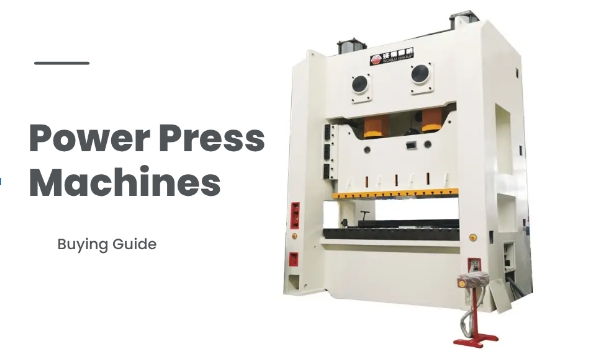
The layout of a press machine factory plays a critical role in determining production efficiency, workflow organization, and overall operational effectiveness. Press machines are complex industrial equipment used for metal forming, punching, bending, and stamping in industries such as automotive, electronics, construction, and appliance manufacturing. A well-planned factory layout ensures smooth material flow, minimizes production bottlenecks, and enhances safety for workers, ultimately contributing to higher productivity and quality output.
Modern press machine factories are designed with efficiency and safety as top priorities. In a typical Press Machine Factory, the layout is divided into clearly defined zones, including material preparation, component machining, assembly, quality control, and testing areas. Each section is strategically positioned to reduce unnecessary movement of materials and components. Proper zoning ensures that raw materials, semi-finished parts, and finished machines move efficiently from one stage to the next, minimizing delays and increasing overall throughput.
Material Flow Optimization
An optimized material flow is essential in a press machine factory. Raw materials, including high-strength steel and alloys, are delivered to the preparation zone, where they are cut, shaped, and heat-treated for machining. Material handling equipment such as cranes, hoists, and forklifts are strategically placed to facilitate smooth movement between stages. By reducing travel distances and avoiding cross-traffic, the factory layout ensures that components reach machining and assembly stations quickly and safely, improving production speed and reducing the risk of damage or loss.
Machining and Component Manufacturing
The machining section is one of the most critical areas in the factory. CNC machines, milling machines, lathes, and laser cutters are positioned to create a logical flow from one operation to the next. High-precision machining requires minimal interruption, and grouping machines based on similar processes reduces setup times. The factory layout also includes space for quality inspection of individual components, ensuring that any deviations are corrected early, which reduces rework and maintains overall manufacturing precision.
Assembly Line Configuration
Assembly is another key area where layout impacts efficiency. In a press machine factory, assembly stations are designed to handle the progressive combination of frames, rams, slides, dies, and hydraulic systems. Workstations are ergonomically arranged to allow technicians to perform their tasks efficiently while minimizing physical strain. Specialized jigs, fixtures, and lifting equipment are incorporated to maintain alignment and accuracy during assembly. By positioning assembly stations logically within the workflow, factories minimize downtime between operations and ensure a smooth production process.
Integration of Electrical and Automation Systems
Modern press machines rely heavily on electrical and automation systems, including programmable logic controllers (PLCs), servo drives, sensors, and human-machine interfaces (HMIs). The layout of the factory includes dedicated zones for electrical assembly, wiring, and testing to prevent interference with mechanical operations. Centralized locations for automated feeders, robotic tools, and conveyor systems are carefully planned to maintain a streamlined workflow, enabling simultaneous mechanical and electrical integration without slowing production.
Quality Control and Testing Areas
Quality control and testing are integral to factory layout planning. Dedicated inspection areas equipped with coordinate measuring machines (CMMs), laser scanners, and load-testing equipment are positioned to allow efficient access from both machining and assembly sections. Finished press machines undergo functional and safety testing, including verification of stroke accuracy, force application, and emergency systems. The proximity of testing zones to assembly stations helps identify issues immediately, reducing delays and improving overall efficiency.
Storage and Inventory Management
Effective storage solutions are another key element of factory layout. Raw materials, semi-finished components, and finished machines are stored in designated areas that are easily accessible but do not obstruct production flow. Inventory management systems track materials and components in real time, ensuring that production lines are continuously supplied without unnecessary stockpiling. Efficient storage reduces handling times, prevents congestion, and contributes to higher production efficiency.
Workforce Considerations
The human element is an essential factor in layout design. Workstations are arranged to support ergonomics and safe access to tools and equipment. Clear walkways, safety barriers, and designated zones for operators, technicians, and maintenance staff reduce the risk of accidents while improving operational efficiency. Training and standardized procedures ensure that employees can move smoothly through the workflow without delays or errors.
Conclusion
The layout of a press machine factory directly affects production efficiency, safety, and workflow organization. By carefully planning material flow, machining, assembly, electrical integration, quality control, and storage areas, factories can optimize throughput, reduce downtime, and maintain high precision in manufacturing operations. Strategic layout design, combined with ergonomic considerations and automation integration, ensures that a press machine factory operates efficiently, producing reliable, high-quality machines that meet the demanding needs of modern industries.