Sealing gaps, cracks, and joints is a critical step in construction and home improvement projects. Two popular solutions are foam sealant and traditional caulking, each offering distinct advantages and limitations. Understanding their differences helps homeowners and professionals choose the most effective option for their specific needs, whether it’s insulation, moisture control, or structural support.
Understanding Foam Sealant and Traditional Caulking
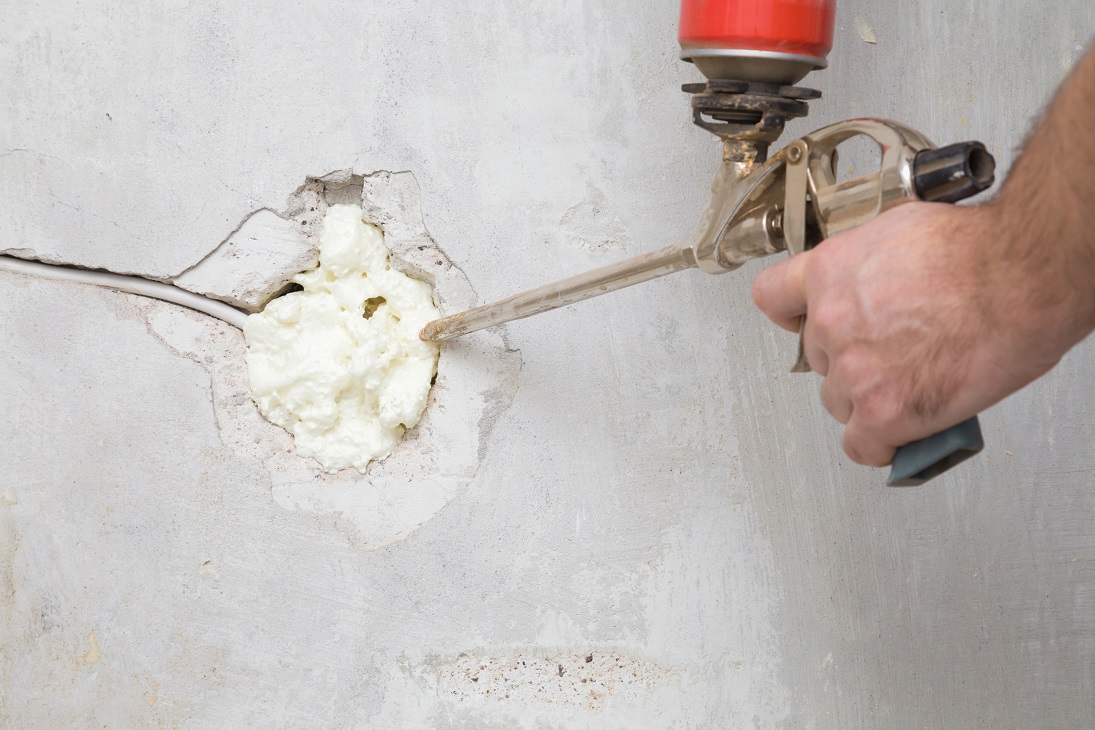
Foam sealant is a polyurethane-based expanding material that fills gaps, cracks, and cavities while providing insulation and moisture resistance. Its expanding nature allows it to adapt to irregular spaces, creating an airtight and durable seal. For those looking for reliable performance, foam sealant comes in multiple formulations suitable for indoor, outdoor, and specialized applications, making it a versatile choice for a wide range of projects.
Traditional caulking, on the other hand, is typically a silicone, acrylic, or latex-based material applied as a paste or bead to seal joints and seams. It is flexible when cured, making it suitable for areas subject to slight movement, such as window and door frames. Caulking is widely used in finishing tasks due to its smooth finish and ease of painting.
Key Differences Between Foam Sealant and Caulking
1. Expansion and Gap Filling
Foam sealant expands after application, allowing it to fill large gaps, cavities, and irregular spaces effectively. This makes it ideal for wall cavities, plumbing penetrations, and structural joints. Traditional caulking does not expand and is better suited for narrow, controlled gaps or surface seams.
2. Insulation and Energy Efficiency
One of the major benefits of foam sealant is its insulation properties. It reduces heat transfer and prevents air leaks, making it highly effective for energy efficiency. Caulking provides minimal thermal insulation, primarily serving as a barrier against drafts rather than a thermal solution.
3. Moisture Resistance
Foam sealant, especially closed-cell formulations, provides a robust barrier against water and moisture, protecting against mold, rot, and structural damage. Caulking is also water-resistant but may deteriorate over time, especially in areas exposed to heavy moisture, requiring more frequent maintenance.
4. Structural Support
Foam sealant can reinforce structural elements by filling cavities and stabilizing materials. This added rigidity can help maintain the integrity of frames, panels, and joints. Caulking is flexible and does not offer the same level of support, making it less suitable for structural applications.
5. Application Ease and Precision
Caulking is generally easier to apply with precision, particularly in visible areas where a smooth, neat finish is desired. Foam sealant requires careful application to manage expansion, and overfilling can result in excess material that must be trimmed after curing. Using the appropriate tools, such as a foam gun, can improve control and accuracy.
6. Curing Time
Foam sealant typically cures within a few hours to a day, depending on the formulation and gap size. Caulking can cure faster or slower based on its composition, but it generally remains workable for a short period, allowing for smooth finishing and adjustments.
Choosing Between Foam Sealant and Caulking
The choice between foam sealant and traditional caulking depends on the specific requirements of the project:
- Use Foam Sealant When:
- Filling large gaps or irregular cavities
- Insulating walls, ceilings, or exterior joints
- Providing moisture resistance and structural support
- Sealing around plumbing, vents, or electrical penetrations
- Use Caulking When:
- Sealing narrow seams or surface joints
- Finishing areas that require a smooth, paintable surface
- Allowing flexibility in joints that may experience slight movement
- Performing cosmetic touch-ups or maintenance sealing
Combining Both for Optimal Results
In many cases, the best solution may involve using both foam sealant and caulking. For example, foam sealant can fill and insulate a large cavity, while caulking provides a smooth, paintable finish over visible seams or joints. This combination ensures maximum energy efficiency, moisture protection, and aesthetic appeal.
Conclusion
Both foam sealant and traditional caulking have important roles in construction and home improvement projects. Foam sealant excels in filling gaps, providing insulation, moisture resistance, and structural support, making it ideal for larger or less accessible spaces. Traditional caulking offers precision, flexibility, and a smooth finish, perfect for visible joints and surface seams. Understanding the strengths and limitations of each allows homeowners and professionals to make informed decisions, ensuring long-lasting, energy-efficient, and visually appealing results. Using the right material—or a combination of both—enhances the durability, comfort, and functionality of any building project.