When choosing a geyser for your home or office, one of the most important considerations, beyond capacity and energy efficiency, is how the unit will be mounted. The two main types of geyser mounts are vertical and horizontal, and each has implications for how efficiently you can use your available space. Understanding the differences between these two configurations can help you make a smarter decision based on your room layout, ceiling height, and usage requirements.
1. Understanding Vertical and Horizontal Geysers
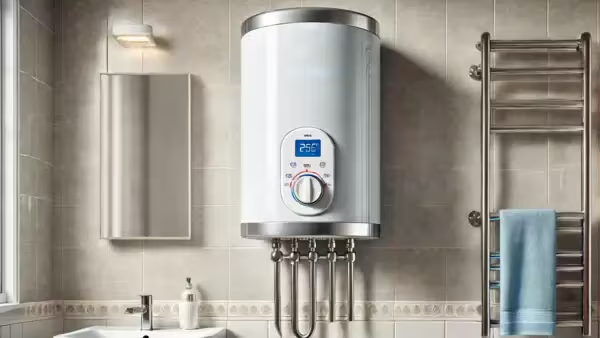
- Vertical Geysers are the traditional and more common type. They are designed to be installed upright, typically mounted on a wall at a height that allows gravity-based hot water flow.
- Horizontal Geysers are designed to be mounted sideways, allowing them to fit into spaces where vertical clearance is limited. These models are generally used in bathrooms with false ceilings, lofts, or low-roofed areas.
Each type is engineered for a specific orientation, and installing them incorrectly can lead to inefficient heating, reduced lifespan, or even safety hazards.
2. Space Efficiency: Which Mount Saves More Space?
Vertical Geysers:
- Height Dependency: Vertical geysers require more vertical space, which can be a limitation in bathrooms with low ceilings or false ceilings.
- Wall Space: While they occupy less horizontal wall space, they protrude more from the wall, which could affect aesthetics and accessibility.
- Ideal For: Bathrooms with sufficient ceiling height and limited wall width.
Horizontal Geysers:
- Better Use of Wall Space: They are more compact vertically and spread out horizontally, making them ideal for narrow but wide spaces.
- Hidden Installations: These geysers can be easily installed above doors, inside lofts, or behind false ceilings, thus keeping them out of sight and preserving visible space.
- Aesthetic Advantage: Their low-profile appearance helps maintain a clean and modern look, especially in compact bathrooms.
If you’re working with limited ceiling height or want to maximise headroom, horizontal geysers are generally more space-efficient. However, if you have more vertical clearance and want to minimise wall usage, vertical geysers might suit you better.
3. Installation Considerations
- Plumbing Orientation: Vertical geysers are easier and often cheaper to install, as most bathrooms are pre-plumbed for vertical setups.
- Installation Cost: Horizontal geysers may require customised plumbing and stronger support structures due to their orientation, which can slightly increase installation costs.
- Maintenance Access: Vertical units are easier to access and service due to their upright design. Horizontal models may be harder to reach, especially if installed inside a loft or ceiling.
5. Budget and Capacity
When deciding between geyser types, budget and capacity also come into play. If you’re exploring 8- or 10 litre geyser price points, both may vary depending on the brand and features. It’s important to consider both the initial cost and long-term energy efficiency of each option before making a decision.
Conclusion
When it comes to space efficiency, the choice between vertical and horizontal geysers isn’t one-size-fits-all. It ultimately depends on your space constraints and installation preferences. Vertical geysers work well in rooms with ample ceiling height and limited wall space, while horizontal geysers offer a smart solution for areas with low ceilings or where maximising headroom is important. Consider your bathroom layout, plumbing setup, and maintenance needs alongside your budget to make the best choice for efficient use of space and long-term performance.