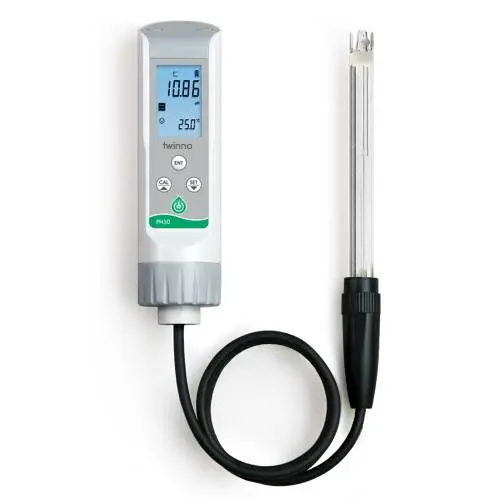
Accurate pH measurement is crucial in applications ranging from environmental monitoring and aquaculture to industrial processes and municipal water treatment. A pH sensor for water can only deliver reliable results if it is properly calibrated. Calibration ensures that the sensor produces precise readings that reflect the actual acidity or alkalinity of the water, helping operators make informed decisions and maintain high water quality standards.
Calibration involves adjusting the sensor to match known reference points, typically provided by standard buffer solutions. These solutions have a specific, stable pH value, which serves as a benchmark to correct any drift or inaccuracy in the sensor. Without calibration, sensors can yield readings that deviate significantly from true values, potentially leading to errors in chemical dosing, environmental assessments, or industrial operations.
A pH Sensor for Water relies on calibration solutions to maintain its accuracy over time. By immersing the sensor in a buffer solution with a known pH, the device can adjust its output to ensure alignment with the reference. Most sensors are calibrated using two or three points, covering the expected range of measurements. This process accounts for sensor drift and environmental factors, including temperature variations, which can affect readings.
Types of Calibration Solutions
Calibration solutions, also known as buffer solutions, come in various pH values and are typically categorized as follows:
- pH 4.0 Buffers: Acidic solutions often used for low pH measurement calibration.
- pH 7.0 Buffers: Neutral solutions used as a standard midpoint for calibration.
- pH 10.0 Buffers: Alkaline solutions for high pH calibration, useful for applications involving basic water sources.
Choosing the appropriate buffer solution depends on the range of pH values expected in the water being measured. For comprehensive calibration, a two-point calibration (pH 4.0 and 7.0, or 7.0 and 10.0) or a three-point calibration covering all ranges is recommended.
Importance of Proper Calibration
Proper calibration ensures several key benefits:
- Accuracy: Corrects any deviation in sensor readings, providing reliable data for analysis.
- Consistency: Maintains stable readings over time, even when environmental conditions change.
- Efficiency: Reduces the need for repeated measurements or manual testing.
- Compliance: Helps meet regulatory requirements for water quality monitoring in municipal, industrial, and environmental applications.
Failing to calibrate a sensor regularly can compromise data integrity, leading to improper water treatment, equipment damage, or inaccurate reporting.
Best Practices for Using Calibration Solutions
To maximize the effectiveness of calibration solutions, operators should follow best practices:
- Use Fresh Solutions: Old or contaminated buffers may have altered pH values, leading to inaccurate calibration.
- Rinse the Sensor: Before calibration, rinse the sensor with distilled or deionized water to prevent contamination.
- Temperature Consideration: Ensure the buffer solutions are at the recommended temperature for accurate calibration.
- Proper Storage: Keep buffer solutions sealed and stored away from sunlight or extreme temperatures to maintain stability.
- Regular Calibration: Schedule routine calibration depending on the frequency of sensor use and water conditions.
Adhering to these practices ensures that pH sensors provide consistent and dependable readings.
Applications of Calibrated pH Sensors
Calibrated pH sensors are essential across a wide range of water monitoring applications:
- Environmental Monitoring: Tracks water quality in rivers, lakes, and reservoirs to protect ecosystems.
- Industrial Water Systems: Ensures proper chemical treatment and prevents corrosion or scaling in pipelines and machinery.
- Aquaculture: Maintains optimal conditions for fish and aquatic plants.
- Municipal Water Treatment: Guarantees safe drinking water and compliance with regulatory standards.
In all these scenarios, accurate pH measurement helps optimize water management and supports decision-making based on reliable data.
Long-Term Benefits of Regular Calibration
Regularly using calibration solutions extends the life and performance of pH sensors. It minimizes the risk of inaccurate measurements, reduces maintenance requirements, and ensures operational efficiency. Moreover, it enhances trust in data-driven decisions, whether for environmental protection, industrial processes, or public health initiatives.
Conclusion
Understanding and using calibration solutions is critical for maintaining the accuracy of a pH sensor for water. By selecting appropriate buffers, following proper procedures, and calibrating regularly, operators can ensure precise, reliable, and consistent readings. Effective calibration enhances water quality management, supports regulatory compliance, and safeguards the performance of equipment and ecosystems that depend on accurate pH monitoring.