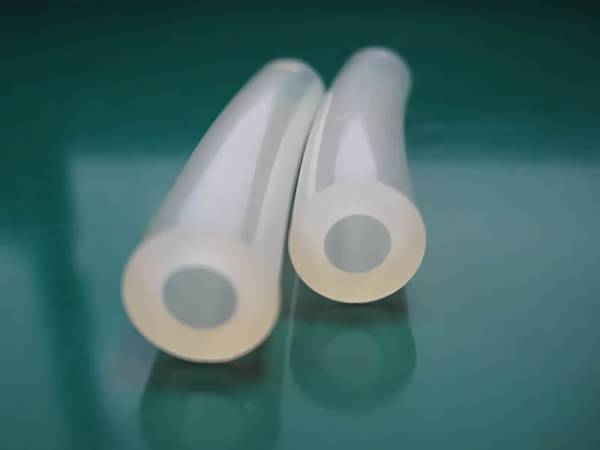
Introduction to Medical Silicone Tubes
Medical silicone tubes are widely used in healthcare and laboratory environments due to their flexibility, durability, and biocompatibility. They serve critical functions in fluid transfer, respiratory systems, surgical drains, and laboratory processes. Maintaining the integrity and sterility of silicone tubing is essential for patient safety and reliable device performance. Proper maintenance and sterilization practices not only extend the life of the tubing but also ensure compliance with healthcare standards.
High-quality Medical Silicone Tube is designed to withstand repeated sterilization and rigorous cleaning procedures. By following recommended practices, healthcare providers and laboratory personnel can preserve tubing functionality while minimizing the risk of contamination. Maintenance and sterilization are integral to ensuring that silicone tubes perform safely in critical medical environments.
Routine Cleaning Practices
Routine cleaning is the first step in maintaining medical silicone tubes. After each use, tubing should be flushed with an appropriate cleaning solution to remove residual fluids or biological material. Common cleaning agents include mild detergents, enzymatic cleaners, and deionized water. It is important to avoid abrasive cleaners or harsh chemicals that could degrade the silicone surface.
Proper cleaning techniques include:
- Flushing the tubing in both directions to ensure complete removal of residues.
- Using brushes or compatible tools for internal cleaning of larger-diameter tubes.
- Rinsing thoroughly with sterile water to remove detergent traces.
Regular cleaning prevents buildup of contaminants, reduces the risk of bacterial growth, and prepares the tubing for effective sterilization.
Sterilization Methods
Medical silicone tubes are compatible with multiple sterilization methods, allowing them to be safely reused in clinical and laboratory applications. Common sterilization practices include:
Autoclaving: High-temperature steam sterilization is widely used in hospitals and laboratories. Silicone tubing can withstand repeated autoclaving without deforming or losing flexibility. Proper attention should be given to tubing placement to ensure uniform exposure to steam.
Gamma Radiation: This method uses ionizing radiation to sterilize tubing without heat, making it suitable for heat-sensitive applications. Gamma radiation preserves the physical properties of silicone while effectively eliminating microorganisms.
Ethylene Oxide (EtO) Sterilization: EtO gas is a low-temperature method suitable for sterilizing complex tubing systems or devices with sensitive components. Proper aeration after sterilization is essential to remove residual EtO and ensure safety.
Chemical Sterilization: Solutions such as hydrogen peroxide, peracetic acid, or alcohol-based disinfectants can be used for short-term sterilization or decontamination. Silicone tubing is resistant to many chemicals, but it is important to follow manufacturer guidelines regarding exposure time and concentration.
Selecting the appropriate sterilization method depends on the tubing application, heat sensitivity, and compatibility with the sterilization process.
Inspection and Maintenance Protocols
Regular inspection is critical to ensure that medical silicone tubes remain safe and effective. Tubing should be checked for signs of wear, such as cracks, tears, discoloration, or kinks. Damaged tubing can compromise fluid flow, allow contamination, or fail during critical procedures.
Maintenance protocols include:
- Documenting the number of sterilization cycles to monitor tubing longevity.
- Replacing tubing that shows visible wear, deformation, or loss of flexibility.
- Storing tubing in a clean, dry environment away from direct sunlight or extreme temperatures.
Proper storage and inspection extend the life of silicone tubing and maintain its performance in medical applications.
Best Practices for Safe Usage
In addition to cleaning and sterilization, proper handling of medical silicone tubes is essential for safety and longevity. Key best practices include:
- Avoiding sharp bends or excessive stretching that could damage the tubing.
- Connecting tubing securely to fittings to prevent leaks or disconnections.
- Using tubing specifically designed for the intended medical or laboratory application.
Following these practices ensures consistent performance, prevents contamination, and minimizes the risk of device failure during critical procedures.
Regulatory Compliance
Medical silicone tubes are manufactured to comply with FDA and ISO standards, ensuring biocompatibility, mechanical stability, and chemical resistance. Adhering to proper maintenance and sterilization protocols helps healthcare facilities maintain regulatory compliance, supports patient safety, and ensures reliable operation of medical devices.
Documenting sterilization cycles, cleaning procedures, and tubing replacements is important for quality control and audit purposes in hospitals and laboratories.
Conclusion
Medical silicone tubes play a vital role in healthcare and laboratory operations, and their performance depends on proper maintenance and sterilization. Routine cleaning, compatible sterilization methods, regular inspection, and safe handling practices ensure that tubing remains biocompatible, flexible, and durable.
By following established protocols, healthcare providers and laboratory personnel can extend the lifespan of silicone tubing, maintain sterility, and safeguard patient safety. High-quality medical silicone tubing, combined with diligent maintenance, supports efficient, reliable, and safe medical and laboratory procedures, making it an indispensable component in modern healthcare systems.