In modern industrial production, precision, efficiency, and repeatability are critical to meeting quality standards and maintaining competitive advantage. CNC (Computer Numerical Control) technology has transformed traditional manufacturing processes by automating machining operations and reducing human error. Among the various types of CNC machines, the 2 axis CNC machine stands out for its simplicity, versatility, and reliability, particularly in producing cylindrical and rotational components. Understanding the key applications of 2 axis CNC machines helps manufacturers optimize production processes and expand capabilities across different industries.
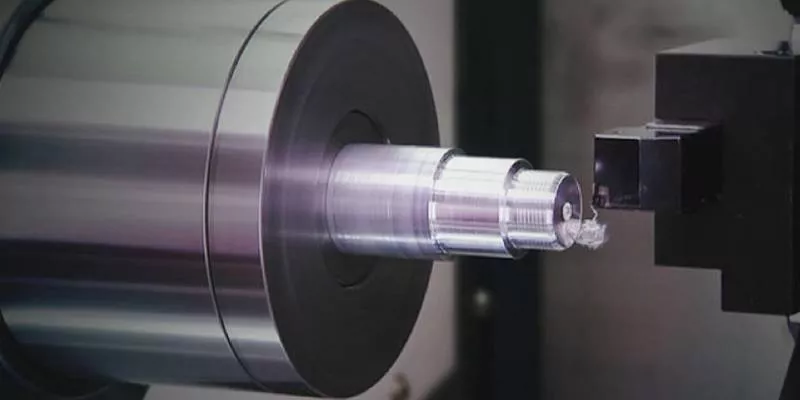
A 2 axis CNC machine operates along two main axes: the X-axis, which controls the lateral movement of the cutting tool, and the Z-axis, which governs longitudinal movement along the workpiece. This dual-axis configuration allows precise turning operations for components with rotational symmetry. Many manufacturers rely on systems like the 2 Axis CNC Machine because they offer consistent precision, high efficiency, and the ability to automate repetitive tasks. By minimizing manual intervention, these machines improve production throughput while maintaining tight tolerances, making them essential in modern industrial environments.
Automotive Industry Applications
The automotive sector is one of the largest users of 2 axis CNC machines. These machines are employed to manufacture critical components such as shafts, bushings, gear blanks, and pistons. The precision offered by CNC-controlled movements ensures that each part meets the exact dimensional and surface finish requirements necessary for proper vehicle performance and safety.
In addition to standard parts, 2 axis CNC machines are used for producing specialized components in engine assemblies and transmission systems. The ability to perform threading, grooving, and facing operations in a single setup reduces cycle time and allows automotive manufacturers to maintain high production volumes without compromising quality.
Aerospace and Aviation Applications
Aerospace manufacturing demands exceptionally high precision due to stringent safety standards and the complexity of aircraft components. 2 axis CNC machines are widely used to produce rotational parts such as bushings, connectors, and landing gear components. The accuracy and repeatability of these machines ensure that parts meet the tight tolerances required in the aerospace industry.
Additionally, the machines’ ability to work with high-strength alloys and exotic materials commonly used in aviation makes them invaluable. Consistent machining results reduce rework and scrap, improving production efficiency and supporting compliance with rigorous aerospace quality regulations.
Medical Device and Equipment Applications
The medical industry also benefits from the precision and versatility of 2 axis CNC machines. Surgical instruments, implants, prosthetic components, and other cylindrical medical devices often require micron-level tolerances. CNC-controlled turning operations allow manufacturers to produce these parts with high repeatability, ensuring safety and reliability.
Furthermore, the ability to automate production with minimal operator intervention reduces contamination risks and maintains consistent quality. For smaller medical device manufacturers, a 2 axis CNC machine provides an affordable solution to meet precision standards without investing in more complex multi-axis systems.
Industrial Machinery and Equipment Applications
Beyond specialized industries, 2 axis CNC machines are widely used in general industrial manufacturing. These machines produce components such as rollers, couplings, pins, and shafts that are used in a variety of machinery and equipment. The ability to handle high-volume production runs efficiently makes 2 axis CNC machines ideal for standard parts required in assembly lines, conveyor systems, and mechanical equipment.
The combination of automation, repeatability, and durability allows industrial manufacturers to reduce downtime and maintain consistent part quality. Quick tool changes and programmable operations also make it possible to switch between different components without lengthy setup procedures, enhancing overall production flexibility.
Electronics and Consumer Goods Applications
The electronics and consumer goods industries also rely on 2 axis CNC machines for producing small cylindrical components, connectors, and housings. These components often require tight tolerances and smooth finishes, which CNC-controlled turning operations provide reliably.
For consumer products such as appliances, power tools, and electronic devices, the ability to produce consistent parts efficiently supports high-volume manufacturing while reducing costs. CNC automation allows manufacturers to scale production quickly in response to market demand.
Advantages Driving Industrial Adoption
The wide range of applications for 2 axis CNC machines is driven by several key advantages. These include precise and repeatable machining, the ability to handle diverse materials, automated operations that reduce human error, and cost-effectiveness compared to more complex multi-axis systems. Both small workshops and large production facilities benefit from these machines’ reliability, low maintenance requirements, and straightforward programming.
Additionally, the machines’ compact design and versatility allow manufacturers to integrate them into existing production lines without requiring significant space or additional infrastructure.
Conclusion
2 axis CNC machines play a critical role in industrial production across multiple sectors, including automotive, aerospace, medical devices, industrial machinery, and electronics. Their ability to produce high-precision cylindrical components efficiently and consistently makes them indispensable in modern manufacturing. By automating turning operations, reducing cycle times, and minimizing errors, these machines help manufacturers maintain quality, optimize production, and remain competitive in a rapidly evolving industrial landscape. The versatility and cost-effectiveness of 2 axis CNC machines ensure their continued relevance as a core tool for industrial manufacturing.