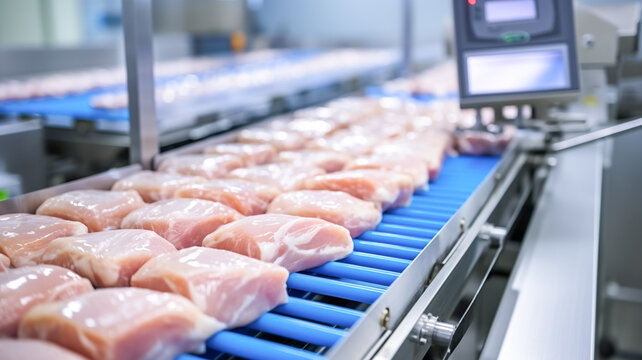
The poultry industry has undergone remarkable transformation in recent years, largely driven by technological innovations in poultry processing equipment. Modern machinery is designed to increase efficiency, improve hygiene, enhance worker safety, and ensure consistent product quality. These innovations have made it possible for poultry processing facilities to meet the growing global demand for safe and high-quality poultry products while optimizing operational costs.
The integration of poultry processing equipment into production lines has introduced new levels of automation, precision, and smart functionality. Manufacturers are continuously developing machines with advanced features, allowing processors to streamline workflows, minimize human error, and enhance food safety compliance. These technological advancements also support sustainable practices by reducing energy and water consumption.
Automation and Robotics
One of the most significant innovations in poultry processing equipment is the increased use of automation and robotics. Automated systems handle tasks such as stunning, bleeding, defeathering, evisceration, cutting, and portioning. Robotic arms and sensor-guided machinery improve precision and reduce variability in product quality, ensuring consistent output across production lines.
Automation also enhances workplace safety by minimizing human contact with sharp or high-speed machinery, reducing the risk of injuries. Facilities that implement robotic solutions experience faster production cycles and can handle higher volumes without sacrificing product quality.
Smart Monitoring and Data Integration
Modern poultry processing equipment is increasingly equipped with smart monitoring systems. Sensors and programmable logic controllers (PLCs) collect data in real-time on parameters such as processing speed, bird weight, temperature, and machine performance.
This data can be analyzed to identify inefficiencies, optimize workflow, and predict maintenance needs. Predictive maintenance helps prevent unexpected equipment failures, reducing downtime and operational costs. Integration with digital monitoring platforms also allows managers to make informed decisions quickly, further enhancing efficiency.
Energy-Efficient Systems
Energy efficiency has become a key focus in equipment design. Innovations such as variable frequency drives, high-efficiency motors, and optimized refrigeration and chilling systems reduce electricity consumption. Water recycling and automated cleaning features minimize water use while maintaining hygiene standards.
Energy-efficient equipment not only lowers operational costs but also supports sustainability initiatives, helping facilities reduce their carbon footprint and comply with environmental regulations.
Advanced Sanitation and Hygiene Features
Maintaining hygiene is critical in poultry processing. New equipment incorporates features that make cleaning easier and more effective. Stainless steel construction, modular components, and smooth surfaces prevent bacterial buildup and allow thorough sanitation between production cycles.
Some systems now include automated cleaning-in-place (CIP) technology, which enables machines to be sanitized without disassembly. These innovations ensure that poultry processors can maintain food safety standards, reduce contamination risks, and comply with regulations such as HACCP.
Precision Cutting and Deboning
Cutting, deboning, and portioning have also benefited from technological innovation. Modern poultry processing equipment uses automated and programmable cutting machines to ensure uniform portions. Sensor-assisted deboning machines accurately separate meat from bones, improving yield and reducing waste.
Precision technology allows processors to maintain consistent product sizes for retail and further processing, enhancing product quality and market appeal. These systems reduce labor requirements while increasing accuracy and efficiency.
Customizable and Modular Systems
Another major innovation is the development of customizable and modular processing lines. Facilities can select machines that match their production volume, bird type, and workflow requirements. Modular systems allow easy expansion or reconfiguration as production demands change.
This flexibility is especially valuable for facilities looking to scale operations or adapt to new product lines without investing in entirely new equipment. Customization ensures optimal workflow and maximizes efficiency while minimizing space and cost constraints.
Future Prospects
The future of poultry processing equipment technology includes integration with artificial intelligence (AI), machine learning, and fully connected smart factories. AI-assisted inspection systems can detect defects, monitor quality in real-time, and guide automated machinery for improved accuracy.
Continued innovation will focus on sustainable practices, enhanced automation, and increased integration of data-driven systems to optimize every aspect of poultry processing, from production to packaging.
Conclusion
Innovations in poultry processing equipment technology have transformed the industry by improving efficiency, consistency, hygiene, and safety. Automation, smart monitoring, energy-efficient systems, advanced sanitation, precision cutting, and modular designs are key innovations that allow processors to meet growing global demand while maintaining high-quality standards. By adopting these technological advancements, poultry facilities can optimize production, reduce operational costs, and remain competitive in an evolving market. The continuous development of innovative equipment ensures that the poultry processing industry will continue to advance, combining efficiency, sustainability, and food safety for long-term success.