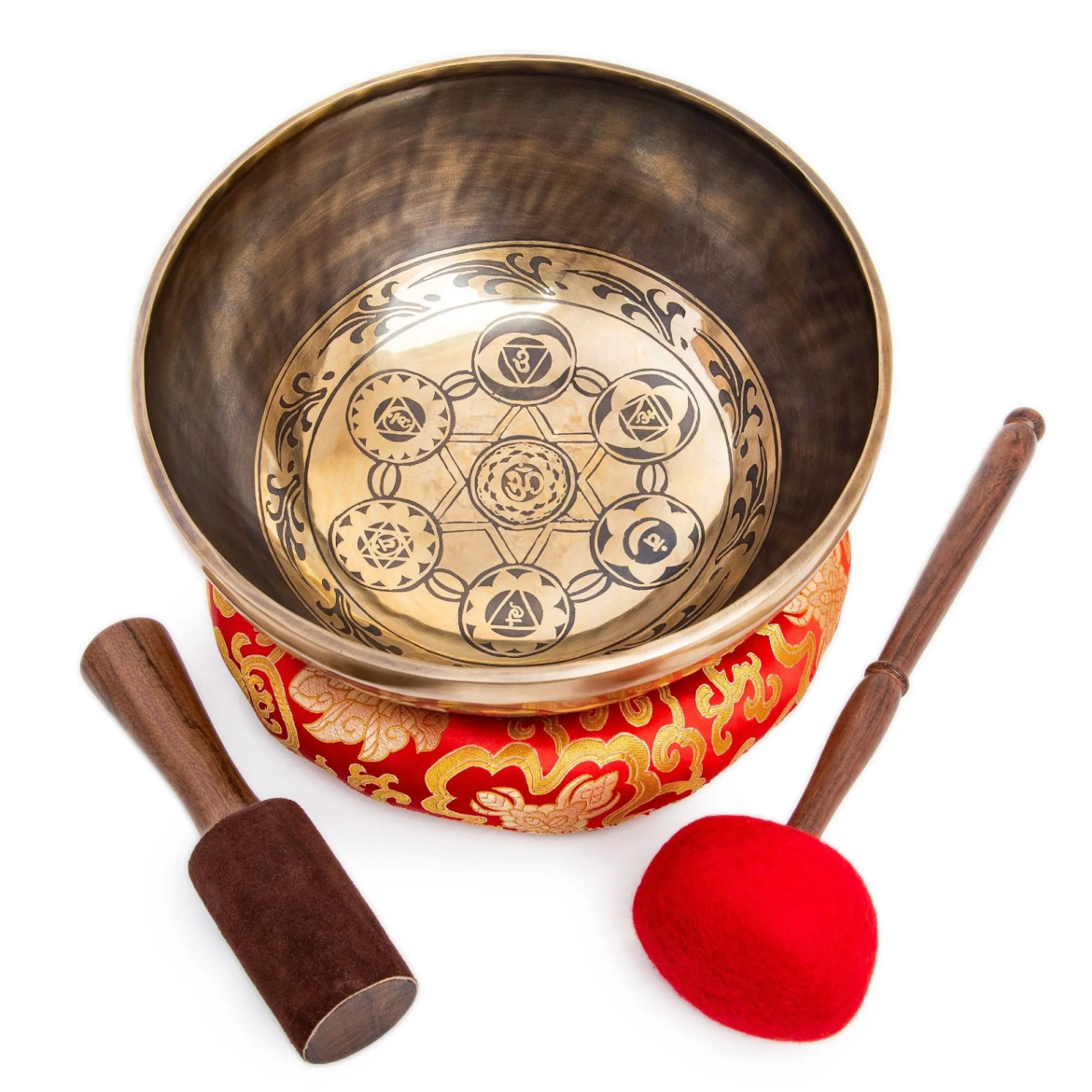
The Himalayas are home to a wealth of cultural heritage, and among their most treasured legacies is the art of handcrafted products. From the high peaks of Nepal to the Tibetan plateau, artisans have preserved centuries-old techniques that reflect a deep connection to their environment and spiritual traditions. This guide explores the world of cultural craftsmanship from the Himalayas, focusing on the artistry, techniques, and spiritual significance behind each creation.
The Essence of Himalayan Cultural Craftsmanship
Himalayan artisans are renowned for their meticulous attention to detail and dedication to tradition. Himalayan traditional artistry is not just about creating aesthetically pleasing items; it is about maintaining the integrity of centuries-old practices passed down through generations. Each product, whether a Tibetan singing bowl, a prayer flag, or a piece of jewelry, embodies a story of heritage, devotion, and skill.
The process begins with sourcing raw materials from the surrounding region. Artisans prioritize high-quality metals, woods, and natural fibers, ensuring that each creation is durable and authentic. These materials are then transformed using techniques that have remained largely unchanged over time. For example, the process of crafting a Tibetan singing bowl involves hand-hammering and shaping the metal, creating unique tonal qualities for meditation and sound healing.
Tibetan Singing Bowls: Sound and Spirituality
Among the most iconic products of Himalayan craftsmanship are Tibetan singing bowls. Known for their rich, resonant tones, these bowls are widely used for meditation, sound therapy, and spiritual rituals. The creation of a singing bowl is a meticulous process that requires patience and precision. Skilled artisans hammer layers of metal together, adjusting thickness and shape to produce harmonious vibrations.
Tibetan singing bowls for purchase today reflect both tradition and accessibility, allowing individuals around the world to experience the healing and meditative qualities that have been part of Himalayan culture for centuries. Beyond their aesthetic appeal, these bowls are tools for mindfulness, helping practitioners focus, reduce stress, and promote emotional well-being. Each bowl carries the essence of authentic, sourced Himalayan traditions, supporting artisans and preserving ancient methods.
Ethical Sourcing and Sustainability
Modern consumers are increasingly conscious of the origins of the products they purchase. Himalayan artisans uphold the values of sustainability and ethical production, ensuring that their work benefits both the environment and local communities. Materials are carefully sourced, and production techniques are designed to minimize waste. By supporting these artisans, buyers contribute to preserving traditional practices while fostering economic stability in remote Himalayan regions.
Every item showcases authentic, sourced Himalayan traditions and reflects a commitment to authenticity and quality. Purchasing handcrafted products is not only a way to acquire unique items but also a means of supporting the livelihoods of the artisans who create them.
The Rich Cultural Roots of Himalayan Art
The art forms of the Himalayas are deeply intertwined with spiritual and cultural practices. From intricate metalwork to handwoven textiles, each item is infused with symbolic meaning. Prayer flags, for instance, carry prayers and mantras, believed to spread blessings and positive energy. Similarly, jewelry and decorative items often feature motifs representing protection, prosperity, and harmony.
Himalayan craftsmanship is more than artistry; it is a means of preserving cultural narratives. Artisans integrate traditional techniques, symbols, and materials into their work, maintaining a direct connection to their ancestors and regional identity. This continuity ensures that cultural craftsmanship from the Himalayas remains relevant and respected across generations.
Techniques That Define the Craft
Several unique techniques distinguish Himalayan craftsmanship. Hand-hammering, repoussé, and lost-wax casting are among the methods used to create metal items like singing bowls and bells. Textiles are woven using traditional looms, incorporating natural dyes and intricate patterns. Woodcarving and painting often reflect religious iconography and local flora and fauna.
The dedication to technique ensures that each piece is one-of-a-kind. Even two singing bowls from the same artisan may produce slightly different tones, adding to their uniqueness. By maintaining these methods, artisans preserve the integrity of ethically sourced Himalayan traditions, bridging history and contemporary practice.
Healing and Meditation Benefits
Products like Tibetan singing bowls serve not only as decorative items but also as tools for personal well-being. The vibrations produced by a singing bowl are believed to balance energy, relieve tension, and promote relaxation. In meditation sessions, the sound guides focus, helping practitioners achieve a state of mindfulness and inner peace.
For those seeking these experiences, Tibetan singing bowls for sale provide access to authentic, hand-hammered instruments crafted with traditional methods. Their use embodies the combination of artistry, spiritual practice, and health benefits, representing the holistic nature of Himalayan craftsmanship.
Supporting Artisans and Communities
When purchasing authentic Himalayan products, buyers participate in a broader social mission. Supporting artisans ensures that their skills are valued, traditions are maintained, and communities can thrive. Ethical sourcing practices allow artisans to work under fair conditions, receive proper compensation, and continue passing down their knowledge to future generations.
Preserving Tradition in a Modern World
As the world becomes increasingly digital and mass-produced, the importance of preserving traditional craftsmanship cannot be overstated. Himalayan artisans face challenges from industrialization, resource scarcity, and market competition. By valuing and purchasing authentic items, consumers help maintain the delicate balance between tradition and modernity.
The presence of Himalayan traditional artistry in homes and meditation spaces worldwide demonstrates that these traditions are resilient and adaptable. They continue to inspire, educate, and provide tangible connections to a rich cultural past.
Conclusion
Himalayan craftsmanship is a testament to human creativity, cultural depth, and spiritual insight. From the resonant tones of Tibetan singing bowls to the intricate designs of handmade jewelry and prayer flags, every piece reflects centuries of dedication and knowledge. By understanding and supporting cultural craftsmanship from the Himalayas, we help ensure that these practices continue to flourish, enriching lives and honoring the artisans who create them.
If you want to bring authentic Himalayan crafts into your home or meditation space, explore Himalayan Bazaar. They offer a curated collection of products, including Tibetan singing bowls for purchase, jewelry, prayer flags, and decorative items. Each piece is crafted by skilled Nepalese and Tibetan artisans, ethically sourced, and reflects traditional techniques. With a focus on quality, authenticity, and supporting local communities, Himalayan Bazaar preserves cultural craftsmanship worldwide.