In today’s fast-paced manufacturing and packaging industries, accurate and efficient product coding is essential. From expiration dates on food products to batch numbers on pharmaceuticals, marking systems play a critical role in production and regulatory compliance. For newcomers to the field, understanding the technology behind Continuous Inkjet Printers is the first step toward optimizing production lines.
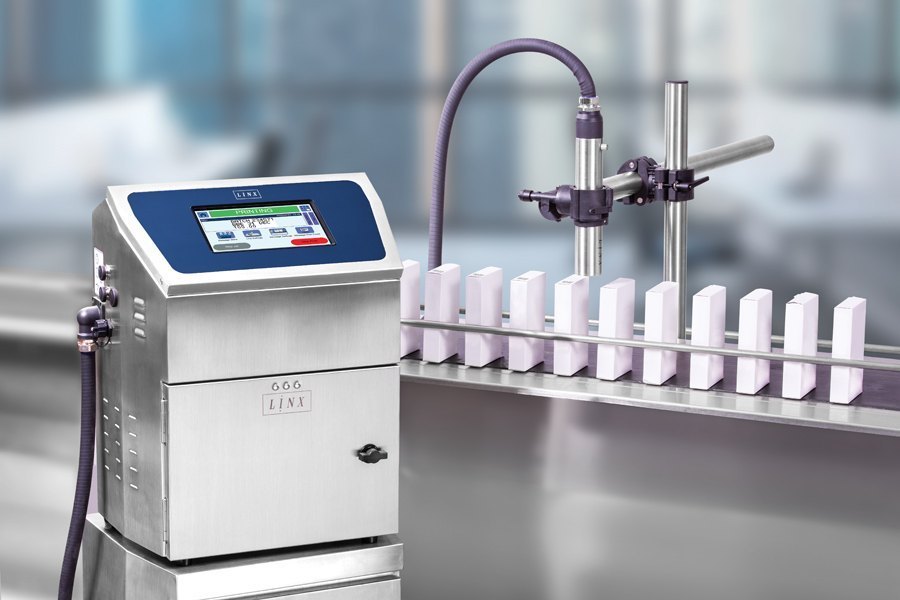
A Continuous Inkjet Printer is a high-speed, non-contact printing system designed to apply variable information directly onto products or packaging surfaces. Unlike traditional labeling methods, CIJ systems use a stream of liquid ink to mark surfaces, which allows for flexible placement, quick changes, and rapid printing speeds. For businesses entering automated production, investing in a reliable Continuous Inkjet Printer can dramatically reduce errors and enhance operational efficiency.
How Continuous Inkjet Printers Work
Continuous Inkjet Printers operate by generating a constant stream of ink droplets that are electrically charged. These droplets are then directed through an electrostatic field to form precise markings on the product surface. The non-contact nature of CIJ printing allows it to code on irregular shapes, fragile materials, or moving objects without damaging the product. This technology is particularly useful in high-speed production environments where traditional methods may slow down operations.
Key Features for Beginners
For someone new to CIJ technology, several features stand out:
- High-Speed Operation: CIJ printers can code hundreds of products per minute, making them ideal for large production runs.
- Versatility: They can print on various surfaces such as glass, metal, plastic, and cardboard.
- Variable Data Printing: CIJ systems allow for the printing of dynamic content, including batch numbers, expiration dates, barcodes, and QR codes.
- Ease of Integration: These printers can be incorporated into automated production lines and synchronized with conveyors and robotic equipment.
Applications Across Industries
Continuous Inkjet Printers are used in a wide range of industries, including food and beverage, pharmaceuticals, cosmetics, and consumer goods. In food and beverage packaging, CIJ technology ensures each product is properly labeled with expiration dates and batch information, which is essential for safety and traceability. In pharmaceuticals, precise and legible printing on blister packs and bottles ensures compliance with regulatory standards. The versatility of CIJ printers allows businesses to maintain consistent coding across multiple product types without needing multiple printing systems.
Maintenance and Longevity
For beginners, understanding maintenance is crucial to ensure consistent performance. CIJ printers typically include automated cleaning routines to prevent ink clogs and maintain nozzle performance. Regular checks of ink levels, filters, and system components help reduce downtime and extend the printer’s lifespan. Using high-quality inks compatible with the printer’s design also prevents operational issues. Adopting a routine maintenance schedule is one of the simplest ways to protect your investment and guarantee uninterrupted production.
Advantages Over Traditional Methods
Compared to labels or manual stamping, CIJ printers offer significant advantages:
- Reduced Waste: Direct printing eliminates the need for labels, adhesives, and additional materials.
- Flexibility: Quick adjustments can be made to printing content without stopping the production line.
- Consistency: Automated systems ensure uniform markings on each product, reducing errors caused by human handling.
- Cost Efficiency: While the initial investment may be higher, the long-term benefits in efficiency, reduced waste, and minimized errors make CIJ printers cost-effective.
Getting Started
For businesses considering their first CIJ system, it’s essential to evaluate production needs, surface types, and speed requirements. Partnering with a reputable provider ensures access to technical support, training, and quality inks. Investing time in understanding how the technology works will make it easier to optimize line efficiency and maintain compliance with industry standards.
Conclusion
Continuous Inkjet Printers are a versatile, high-speed solution for modern manufacturing and packaging needs. They allow businesses to print variable information directly onto a wide range of materials with accuracy and consistency. For beginners, learning about CIJ technology and selecting the right system is the first step toward improved productivity, reduced waste, and enhanced traceability. By leveraging a high-quality Continuous Inkjet Printer, companies can streamline operations, meet compliance requirements, and prepare for future production challenges.