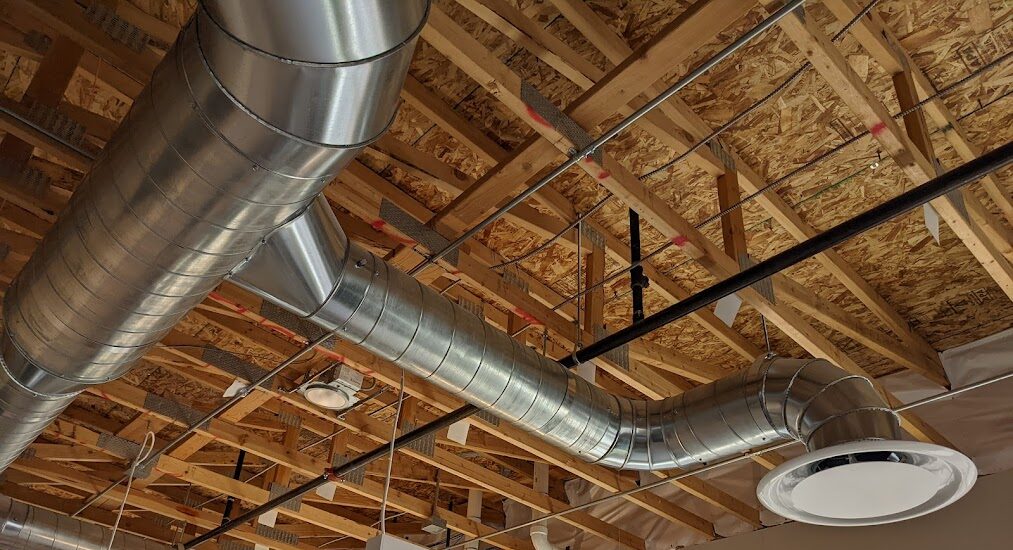
Ductwork fabrication is a critical process in HVAC system design and installation, directly affecting airflow efficiency, energy consumption, and indoor air quality. However, like any complex manufacturing process, ductwork fabrication presents several challenges that can impact productivity, quality, and overall system performance. Understanding these common obstacles and implementing effective solutions is essential for HVAC professionals, manufacturers, and contractors seeking reliable and efficient duct systems.
Ductwork fabrication involves cutting, bending, assembling, and sealing duct components made from materials such as galvanized steel, aluminum, and pre-insulated panels. Each step of the process can introduce errors, ranging from dimensional inaccuracies to poor joint integrity. Advanced machinery and streamlined workflows, including a ductwork fabrication setup, help mitigate these issues, but awareness of potential challenges and proactive measures are crucial to maintaining high-quality production standards.
Challenge 1: Material Handling and Damage
One common issue in duct fabrication is material handling. Sheet metal and pre-insulated panels are prone to dents, scratches, or bending during transport and manipulation. Damaged materials can compromise the structural integrity of ducts, reduce airflow efficiency, and increase the risk of leaks.
Solution: Implementing proper storage, handling, and transport procedures is essential. Using protective covers, organized shelving, and automated material handling equipment minimizes physical damage. Training staff to handle materials carefully and utilizing forklifts, conveyors, or robotic arms for heavy panels can significantly reduce accidents and maintain product quality.
Challenge 2: Dimensional Inaccuracies
Accurate measurements and cuts are crucial in ductwork fabrication. Even small deviations in dimensions can cause misaligned joints, air leaks, and installation delays. Dimensional errors often occur due to manual measurement mistakes, tool wear, or inconsistent material thickness.
Solution: Utilizing CNC cutting and bending machines improves precision and consistency. These automated systems follow programmed dimensions with high accuracy, reducing human error. Regular calibration of tools and verification of material thickness further ensures that all ducts conform to design specifications. Proper training for operators also helps minimize measurement mistakes.
Challenge 3: Joint and Seam Integrity
Poorly constructed joints and seams are a frequent challenge in duct fabrication. Loose connections, gaps, or insufficient sealing can result in air leakage, reduced energy efficiency, and compromised indoor air quality. This is particularly problematic in pre-insulated ducts where maintaining the vapor barrier is critical.
Solution: Using proper joining techniques, such as lock seams, rivets, and mechanical fasteners, combined with HVAC-approved sealing tapes or mastics, ensures airtight connections. Quality inspections during assembly help identify weak points. For pre-insulated ducts, care should be taken to maintain insulation coverage and avoid puncturing the vapor barrier.
Challenge 4: Complex Designs and Custom Shapes
Modern HVAC systems often require ducts with complex shapes, angles, and transitions. Fabricating these ducts manually can be time-consuming and prone to errors, especially for intricate designs or custom installations.
Solution: Advanced fabrication technologies, including CNC machines, laser cutters, and automated bending equipment, allow for precise production of complex shapes. CAD and CAM software can generate cutting and bending patterns, simulate airflow, and optimize material usage. By integrating design software with automated machinery, manufacturers can produce accurate ducts efficiently, even for challenging configurations.
Challenge 5: Maintaining Thermal and Acoustic Performance
Ensuring that fabricated ducts maintain proper thermal insulation and sound absorption can be challenging, especially when working with pre-insulated panels or insulated liners. Poor installation or damage during fabrication can reduce energy efficiency and acoustic performance.
Solution: Implement strict quality control measures, including inspections for insulation continuity, seam sealing, and joint integrity. Ensure that pre-insulated panels are handled carefully and that insulation is not compressed or displaced. Proper sealing of joints and maintaining vapor barriers are essential for preserving thermal and acoustic properties.
Challenge 6: Production Efficiency and Workflow Bottlenecks
High-volume fabrication operations can encounter bottlenecks that slow production and increase labor costs. Manual processes, uncoordinated workflows, or outdated machinery can limit output and affect project timelines.
Solution: Streamline production by adopting automated cutting, bending, and assembly equipment. Use workflow management software to schedule tasks, track progress, and optimize material handling. Cross-training staff to perform multiple fabrication tasks can also improve flexibility and reduce downtime in busy workshops.
Conclusion
Ductwork fabrication presents several challenges, including material handling, dimensional accuracy, joint integrity, complex designs, thermal and acoustic performance, and production efficiency. By understanding these obstacles and implementing modern solutions such as CNC machinery, automated systems, proper training, and stringent quality control, HVAC professionals can overcome these challenges effectively. Addressing these issues not only improves the quality and reliability of fabricated ducts but also enhances overall system efficiency, reduces energy consumption, and ensures occupant comfort. Adopting a proactive approach to problem-solving in duct fabrication is essential for achieving consistent, high-quality HVAC installations.