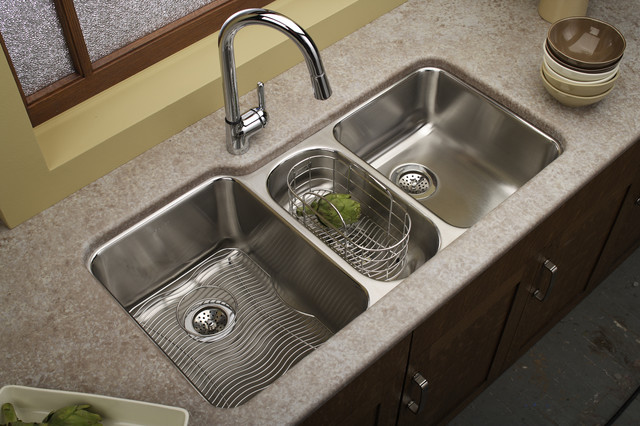
A kitchen wash basin is one of the most important elements in any kitchen, combining functionality with style. It serves as a central workspace for washing dishes, preparing food, and cleaning utensils. Choosing the right kitchen wash basin involves understanding the available materials, design options, and durability factors. A well-chosen basin can enhance the efficiency of your kitchen while complementing its overall aesthetic.
Materials for Kitchen Wash Basins
Kitchen wash basins are available in a variety of materials, each offering unique benefits. Stainless steel is one of the most popular choices due to its durability, resistance to rust and corrosion, and ease of maintenance. It can withstand heavy use, hot pots, and harsh cleaning agents without losing its functionality or appearance.
Ceramic and porcelain basins are known for their smooth surface and classic look. They are scratch-resistant and easy to clean, but they can be prone to chipping or cracking under heavy impact. Composite materials, which are made from resin mixed with natural stone, provide a modern aesthetic and excellent resistance to stains, heat, and scratches. Each material offers different strengths, so it’s important to consider your kitchen habits and usage frequency when making a selection.
Design and Practical Considerations
The design of a kitchen wash basin plays a crucial role in both functionality and visual appeal. Single-bowl basins are compact and ideal for smaller kitchens, offering enough space for washing dishes while saving countertop area. Double-bowl basins, on the other hand, provide more versatility by allowing simultaneous washing and preparation tasks.
For those selecting a Kitchen Wash Basin, it is important to match the basin style with countertop material and kitchen layout. Undermount sinks offer a seamless, modern appearance and make cleaning countertops easier, while top-mount or inset sinks are easier to install and suitable for a variety of kitchen surfaces. Other design considerations include the depth and width of the basin, which should be sufficient to accommodate large pots and pans, and the placement of faucets to ensure comfortable use without splashing.
Durability and Longevity
Durability is a key factor when choosing a kitchen wash basin, as it directly impacts long-term functionality and maintenance requirements. Stainless steel and composite materials are highly resistant to everyday wear and tear, including scratches, stains, and heat. Porcelain and ceramic options, while durable, may require more careful handling to avoid chips or cracks.
Regular maintenance also contributes to the longevity of a basin. Rinsing the basin after each use, wiping it dry, and avoiding harsh abrasive cleaners can prevent damage and discoloration. For basins made of stainless steel, occasional polishing restores shine and prevents watermarks, while composite materials benefit from mild, non-abrasive cleaning solutions to maintain their smooth surface.
Installation and Maintenance Tips
Proper installation is essential to maximize the performance of a kitchen wash basin. Ensure that the basin fits the countertop cutout accurately, and that plumbing connections are secure to prevent leaks. In addition, aligning the basin with the slope of the countertop helps improve water drainage and prevents water from pooling.
Routine maintenance helps keep the basin functional and hygienic. Regular cleaning removes food residues, grease, and soap scum, while periodic inspections of drains and seals prevent clogs and leaks. Using accessories such as strainers, cutting boards, and drying racks can also enhance usability while reducing the risk of damage to the basin surface.
Conclusion
Choosing the right kitchen wash basin requires careful consideration of materials, design, and durability. Stainless steel, ceramic, and composite basins each have unique advantages, and the choice should align with your kitchen usage, style preferences, and maintenance expectations. Proper installation and regular care are essential to ensure long-term performance, while design features like single or double bowls and undermount or inset installations can enhance both convenience and aesthetics. By selecting a high-quality kitchen wash basin and following best practices, homeowners can enjoy a functional, durable, and visually appealing centerpiece for their kitchen workspace for years to come.