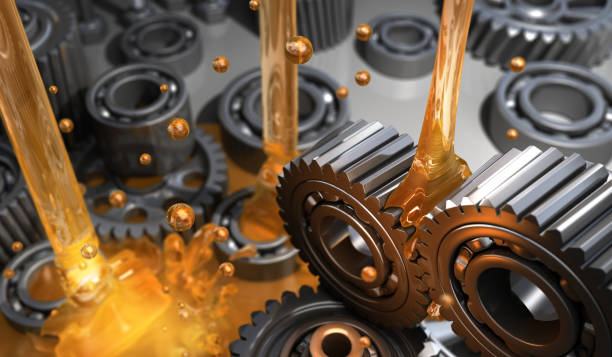
Manufacturing equipment operates under intense mechanical stress, high temperatures, heavy loads, and continuous movement. Without proper lubrication, even the most advanced machinery can suffer from excessive friction, premature wear, overheating, and costly downtime. Selecting the right Industrial lubricant is therefore not just a maintenance task but a strategic decision that directly influences equipment performance, reliability, and operational efficiency.
In modern manufacturing environments, lubricants play a critical role in protecting components, improving productivity, and reducing maintenance costs. However, with so many lubricant formulations available, choosing the right one can feel overwhelming. From viscosity and operating conditions to material compatibility and contamination risks, several factors must be evaluated before making the final choice.
This guide explores how manufacturers and maintenance professionals can confidently select the most suitable lubricant for their equipment while ensuring optimal long term performance.
Understanding the Role of Industrial Lubrication
Before selecting a lubricant, it is essential to understand what lubrication actually does within mechanical systems. When metal surfaces move against each other, friction and heat are generated. Over time, this can lead to wear, corrosion, and equipment failure.
An effective Industrial lubricant performs several critical functions:
Reduction of friction between moving surfaces
Minimization of mechanical wear
Protection against corrosion and oxidation
Dissipation of heat from high friction areas
Prevention of contaminants from entering sensitive components
Improved efficiency and smoother machine operation
Without adequate lubrication, machines must work harder to perform the same tasks. This leads to increased energy consumption and reduced operational lifespan.
Assessing the Operating Conditions of Your Equipment
Every piece of manufacturing equipment operates under different conditions. One of the most important steps in lubricant selection is carefully evaluating the environment in which the machine functions.
Consider the following factors when determining lubricant requirements:
Operating temperature range
Load pressure on mechanical components
Speed of moving parts
Exposure to dust, moisture, or chemicals
Presence of vibrations or shock loads
Continuous or intermittent operation cycles
High temperature equipment such as ovens, kilns, or metal processing machinery often requires lubricants that can resist thermal breakdown. Conversely, equipment operating in cold environments may need lubricants that maintain fluidity at lower temperatures.
Understanding these conditions ensures that the chosen lubricant will maintain its protective properties under real world manufacturing demands.
The Importance of Viscosity in Lubricant Selection
Viscosity refers to the thickness or flow resistance of a lubricant. It is one of the most important properties to consider because it directly affects the lubricant’s ability to form a protective film between moving parts.
A lubricant with viscosity that is too low may fail to provide adequate protection under heavy loads. On the other hand, a lubricant that is too thick may increase resistance and reduce mechanical efficiency.
To determine the correct viscosity, manufacturers typically consider:
Operating temperature of the machine
Speed of rotating or sliding components
Load carrying requirements
Clearances between mechanical parts
Selecting the correct viscosity ensures that the lubricant forms a stable protective layer that minimizes direct metal contact.
Choosing the Right Lubricant Type
Industrial lubricants are available in several different forms, each designed for specific mechanical applications. Understanding the differences can simplify the selection process.
Oils are commonly used in high speed systems such as turbines, compressors, and hydraulic equipment. Their fluid nature allows them to circulate easily and carry heat away from critical components.
Greases are thicker lubricants that remain in place for longer periods. They are ideal for bearings, joints, and components that are difficult to access frequently for maintenance.
Solid lubricants are often used in extreme environments where liquid lubricants cannot survive. These are commonly applied in high temperature or vacuum applications.
Selecting the correct lubricant form ensures that the product remains effective in the intended application.
Evaluating Equipment Material Compatibility
Another crucial factor when choosing an Industrial lubricant is compatibility with the materials used in the equipment. Modern manufacturing machines often contain a variety of metals, plastics, seals, and elastomers.
Certain lubricants may react with these materials, causing swelling, deterioration, or corrosion. This can result in leaks, mechanical damage, or unexpected equipment failure.
Before selecting a lubricant, maintenance teams should verify compatibility with:
Rubber seals and gaskets
Plastic components
Coatings or protective finishes
Metal alloys used in bearings and gears
Consulting equipment specifications or lubricant compatibility charts helps prevent unwanted chemical interactions.
Protection Against Contamination
Manufacturing environments often expose equipment to contaminants such as dust, metal particles, water, or chemicals. These contaminants can compromise lubrication performance and accelerate component wear.
A high qualityIndustrial lubricant should help prevent contamination related damage by forming a protective barrier. Some lubricants are specifically formulated with additives that trap contaminants or repel moisture.
In environments where rust or corrosion risks are high, specialized lubricants may include protective agents that shield metal surfaces from oxidation.
By choosing lubricants designed to handle environmental challenges, manufacturers can significantly extend equipment lifespan.
Why Penetrating Lubricants Matter in Maintenance
While standard lubricants focus on ongoing protection, certain maintenance situations require deeper penetration into tight spaces or seized components. This is where the best penetrating lubricant becomes essential.
Penetrating lubricants are designed with low viscosity and specialized additives that allow them to seep into narrow gaps between rusted or stuck parts. They are commonly used during equipment maintenance, repairs, and component disassembly.
Applications may include loosening seized bolts, freeing rusted bearings, and restoring mobility to jammed mechanical parts. Because these lubricants can quickly break down corrosion and friction barriers, they help technicians perform maintenance tasks more efficiently.
Although penetrating lubricants are not always used for continuous lubrication, they play a critical role in equipment servicing and restoration.
The Value of Lubricant Additives
Many modern lubricants include specialized additives that enhance their performance under demanding industrial conditions. These additives improve the lubricant’s ability to protect equipment and maintain stability over time.
Common lubricant additives include:
Anti wear agents that reduce surface damage
Oxidation inhibitors that extend lubricant life
Rust inhibitors that prevent corrosion
Extreme pressure additives for heavy load applications
Foam suppressants that maintain lubrication consistency
These enhancements allow an Industrial lubricant to perform effectively even in challenging manufacturing environments.
Establishing a Proper Lubrication Program
Choosing the correct lubricant is only part of the equation. A structured lubrication program ensures that machinery consistently receives the protection it needs.
An effective lubrication program includes:
Routine inspection of lubricant condition
Scheduled lubrication intervals based on equipment use
Monitoring for contamination or degradation
Proper storage and handling of lubricant products
Employee training on lubrication best practices
When lubrication becomes an organized part of equipment maintenance, manufacturers can prevent unexpected failures and reduce costly downtime.
Energy Efficiency and Sustainability Benefits
Lubrication also contributes to energy efficiency within manufacturing operations. Properly lubricated machines experience less friction, allowing motors and mechanical systems to operate more smoothly.
This improved efficiency can lead to reduced power consumption and lower operating costs. In large industrial facilities where hundreds of machines operate simultaneously, the energy savings can be substantial.
Many modern lubricants are also designed with sustainability in mind. Improved formulations extend lubricant life, reduce waste generation, and support environmentally responsible manufacturing practices.
Final Thoughts on Choosing the Right Industrial Lubricant
Selecting the right lubricant is a critical step in protecting manufacturing equipment and maintaining operational efficiency. The ideal Industrial lubricant must match the specific operating conditions, mechanical design, and environmental challenges of each machine.
By carefully evaluating viscosity, lubricant type, compatibility, contamination risks, and additive performance, manufacturers can make informed lubrication decisions that support long term reliability.
In addition, keeping the best penetrating lubricant available for maintenance tasks ensures that technicians can quickly address stuck or corroded components during repairs.
When lubrication strategy is treated as an essential part of equipment management, manufacturers benefit from improved productivity, longer machine life, and fewer unexpected disruptions. Proper lubrication may seem like a small detail, but in the world of industrial manufacturing, it is one of the most powerful tools for keeping production moving smoothly.